
Gaming• 5 min read
Why the New Resident Evil Movie Is Quietly Breaking the Hollywood Curse
Grossing nearly $200M worldwide, the 2026 Resident Evil reboot just pulled off the impossible by making video game horror genuinely terrifying again.
ALTERED BRILLIANCE IS LIVE.ALTERED BRILLIANCE IS LIVE ON GOOGLE PLAY.Read the product story →
Grossing nearly $200M worldwide, the 2026 Resident Evil reboot just pulled off the impossible by making video game horror genuinely terrifying again.
For more than two decades, video game cinematic adaptations have wrestled with a notorious, seemingly insurmountable paradox. Either filmmakers dilute the franchise into a sanitized Hollywood popcorn blockbuster, stripping away the tension that defined the game, or they drown in suffocating fan service that alienates anyone who hasn’t memorized every lore file.
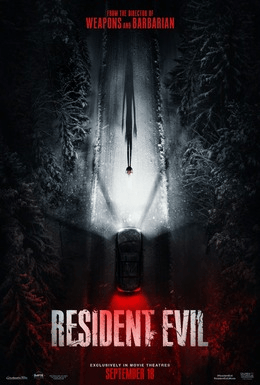
Enter Zach Cregger. Fresh off the psychological brilliance of Barbarian, the writer-director took the keys to gaming’s most legendary survival horror franchise and delivered what might be the genre's most stunning cinematic triumph yet: Resident Evil (2026).
Released on September 18, 2026, the R-rated horror reboot has surged past $197 million worldwide, obliterating opening weekend projections with a roaring $108.3 million global debut. Even more remarkably, it rapidly vaulted past the $100 million mark at the domestic box office—a milestone no previous theatrical entry in the entire 30-year Resident Evil cinematic history had ever conquered.
Produced on a lean, disciplined budget of $75 million, the film recouped its investment within nine days of theatrical release. In an era where multi-hundred-million-dollar studio tentpoles routinely stumble, Cregger’s horror thriller proves that uncompromising artistic vision and surgical resource allocation outperform bloated CGI spectacles every single time.
How did Cregger solve the riddle that baffled Hollywood for twenty-five years? By returning to the foundational psychological core of survival horror: vulnerability.
Instead of centering the story around superhuman, dual-pistol-wielding operatives doing acrobatic martial arts off mutant dogs, the 2026 reboot anchors its emotional weight onto an ordinary human: Bryan Hodukavich (played with raw, breathless anxiety by Austin Abrams). A working-class medical courier caught in the wrong part of the city when the quarantine gates slam shut, Bryan doesn't possess unlimited ammunition or plot armor. Every door he opens carries mortal consequence. Every single bullet in his revolver is an agonizing mental calculation.
Supported by tense, grounded performances from Kali Reis, Zach Cherry, and Paul Walter Hauser, the film strips away superhero bravado and forces the audience to feel the suffocating dread that original gamers felt when stepping into the Spencer Mansion in 1996 or navigating the R.P.D. hallways in 1998.
Where previous adaptations failed was in attempting to translate cutscenes rather than mechanics. Cregger, an outspoken gamer himself, structured the film around the emotional cadence of actual gameplay:
By setting the narrative parallel to the catastrophic outbreak of Resident Evil 2 without slavishly reenacting game puzzles beat-for-beat, the film earns its place within the universe while maintaining unpredictable suspense for both lifelong fans and newcomers.
Alongside triumphs like HBO’s The Last of Us and Amazon’s Fallout, the massive success of Resident Evil (2026) signals a monumental paradigm shift in entertainment culture. Gamers no longer have to settle for watered-down, patronizing Hollywood translations that treat games as disposable intellectual property.
Video games are the premier storytelling medium of our generation. When master filmmakers treat interactive source material with the reverence, psychological complexity, and craft it deserves, mainstream culture doesn't just show up—it is captivated.
As the box office numbers continue their historic climb, Zach Cregger hasn't just revitalized Capcom's flagship franchise on the silver screen. He has laid down a definitive blueprint for the future of interactive horror cinema.
Source: Altered Brilliance Gaming Cinema