
Vibe Gaming• 6 min read
The AI Gaming Revolution: Crafting Worlds Without Code in 2026
The gaming landscape in 2026 has been irrevocably altered by AI, empowering creators without coding experience to bring their game ideas to life.
ALTERED BRILLIANCE IS LIVE.ALTERED BRILLIANCE IS LIVE ON GOOGLE PLAY.Read the product story →
The gaming landscape in 2026 has been irrevocably altered by AI, empowering creators without coding experience to bring their game ideas to life.
The year 2026 marks a pivotal moment in game development, democratizing creation to an unprecedented degree. What was once the exclusive domain of seasoned programmers and large studios is now accessible to anyone with an idea and a willingness to explore. The advent of sophisticated AI tools has shattered traditional barriers, allowing aspiring game designers to build and deploy playable experiences without writing a single line of code. This dramatic shift is not theoretical; hundreds of independent creators are already leveraging these technologies to ship games, transforming the industry's landscape.
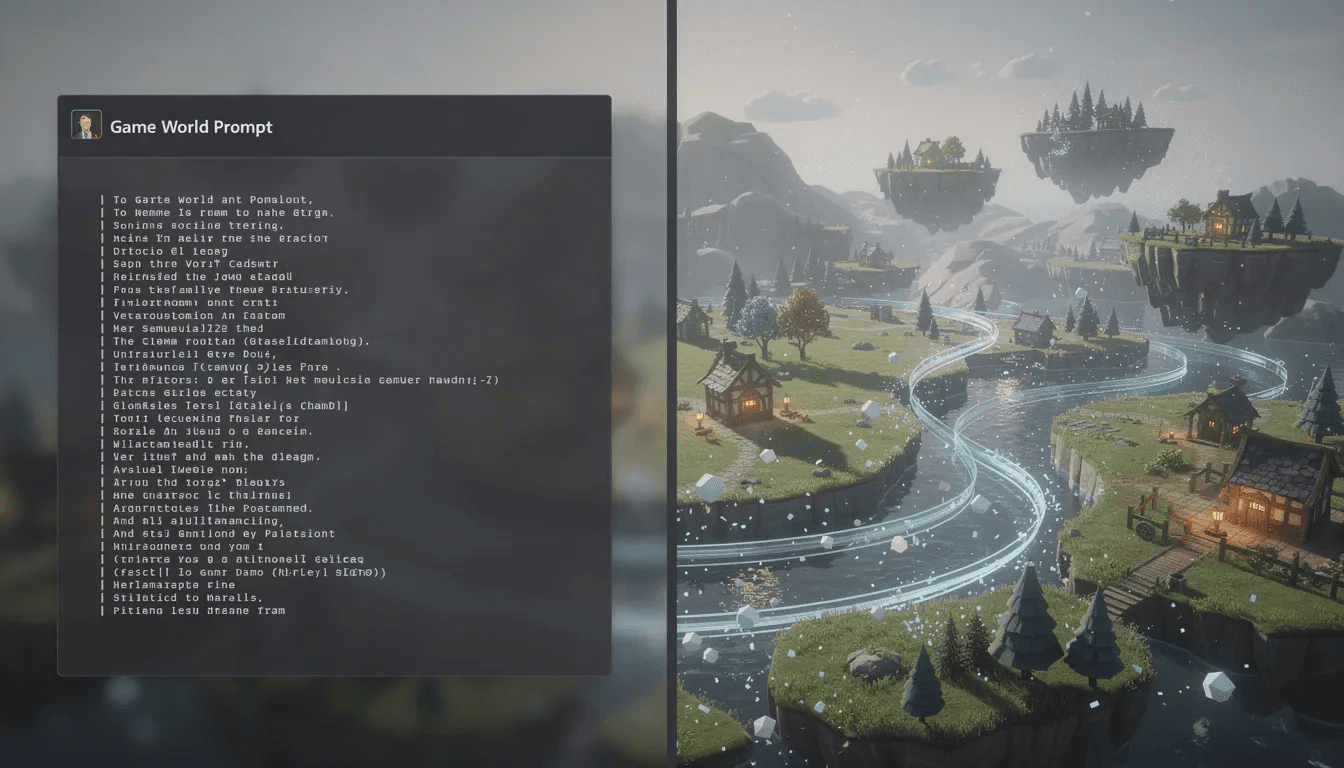
Central to this revolution is the concept of vibe coding. This innovative approach, facilitated by advanced AI coding assistants like Cursor, Claude Code, and even ChatGPT, enables users to describe their desired game in natural, plain English. The AI then translates these conceptual prompts into functional code, often generating entire games in mere hours. This drastically compresses the traditional development cycle, making browser-based games, simple arcade clones, and interactive fiction particularly ripe for rapid prototyping and deployment. It’s an iterative dance between human intention and AI execution, where ideas materialize into playable realities at an astonishing pace.
Beyond pure vibe coding, established game engines are also embracing AI. Platforms such as Unity, Godot, and even browser-based engines have integrated AI-assisted workflows. These intelligent systems can generate boilerplate code, assist with asset creation, and streamline debugging processes in real time. This hybrid approach caters to creators seeking more visual control or those embarking on more ambitious projects targeting mobile or console platforms. While the learning curve for these engines can be steeper, the AI integrations significantly lower the entry barrier, making complex development more manageable for emerging talent.
Several factors converge to make 2026 an unparalleled time for game creation. Vibe coding has matured into a mainstream practice, with AI assistants generating complete game files from simple prompts. Concurrently, game engines have embedded AI, offering intelligent support for everything from script generation to asset creation. Finally, a burgeoning community of AI game developers has emerged, fostering collaboration and sharing knowledge across platforms like Reddit. A recent Google Cloud survey from 2025 indicated that over 90% of game developers are already incorporating AI into their workflows, underscoring its pervasive impact.
While AI excels at handling the technical intricacies of coding, it cannot replace the human element of game design. Critical aspects such as game feel, pacing, difficulty curves, and rigorous playtesting remain firmly within the designer's purview. AI is a powerful tool, but the art of crafting an engaging, enjoyable, and meaningful player experience still relies on human creativity, intuition, and understanding of player psychology. The focus shifts from technical execution to creative vision.
For beginners, the journey often starts with simpler game types. Text adventures or trivia games offer the easiest entry points, allowing creators to grasp fundamental game logic. As skills evolve, designers can progress to classic arcade clones like Snake or Pong, or even simple card games. Intermediate projects might include platformers or tower defense games, where AI assists with physics and pathfinding while the designer focuses on level creation. Advanced projects, such as multiplayer browser games or 3D environments, leverage AI for complex challenges like networking and rendering, pushing the boundaries of what a single creator can achieve.
For those taking their first steps, vibe coding a browser game is highly recommended. The process is remarkably straightforward: describe your game to an AI assistant, receive the generated HTML, CSS, and JavaScript, and open it in a browser. Instant gratification and immediate feedback are hallmarks of this approach. Tools like Cursor allow for iterative refinement, while Claude can generate more complete files from a single, detailed prompt. This direct, no-setup workflow makes it the fastest route from concept to playable prototype.
The landscape of game development in 2026 is one of collaboration between human ingenuity and artificial intelligence. AI handles the laborious, repetitive tasks, freeing human creators to focus on the core design principles that make games compelling. This symbiotic relationship promises a future where game creation is more accessible, diverse, and innovative than ever before, fostering a new generation of creators who can manifest their imaginative worlds with unprecedented ease.
Source Insight: This report was curated based on original coverage from howworks.ai.
Source: howworks.ai