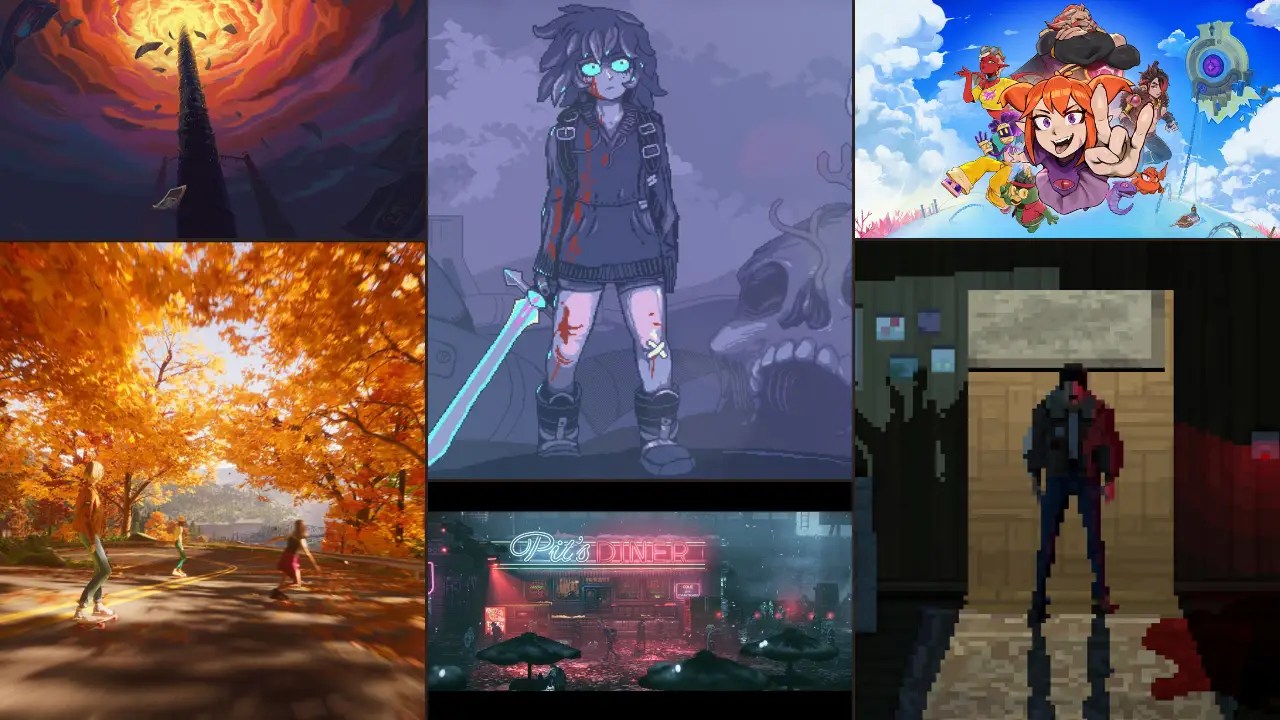
There's a palpable sense of fatigue settling over the mainstream gaming landscape. While blockbuster AAA titles continue to dazzle with technical prowess, they often feel shackled by the immense weight of their own budgets—creatively conservative, mechanically familiar, and narratively safe. In this climate of predictable spectacle, a quiet but seismic shift is occurring. Players are no longer just looking to be entertained; they're searching for connection, novelty, and meaning. And they are finding it in the burgeoning world of independent games.
What was once a niche corner of the industry has evolved into its most vital creative force. This isn't just about a few breakout hits anymore. It's a fundamental migration of player attention and industry respect, driven by a collective hunger for experiences that challenge, surprise, and resonate on a deeply personal level. The indie scene has become the answer to the unspoken question haunting every gamer: Where do we find the soul of the medium?
The Exodus from Formula
The appeal of indie games is rooted in a simple but powerful premise: creative freedom unburdened by corporate expectation. Where a major publisher sees risk, an independent developer sees an opportunity to tell a unique story or invent a new mechanic. This freedom is the engine behind the genre-defying experiences that are now defining the cutting edge of interactive entertainment. Players are actively seeking out these titles because they offer an escape not just into a new world, but from the monotony of established formulas.
This player-led movement is fueled by a desire for authenticity. In an era of season passes and microtransactions, the transparent and passionate development process of many indie studios offers a refreshing alternative. Platforms like Steam, itch.io, and even crowdfunding sites give players a direct line to the creators, fostering a sense of community and shared investment that blockbuster marketing campaigns simply cannot replicate.
Mechanics as a New Language
The most profound innovations in gaming rarely come from graphical advancements; they come from mechanics. Independent developers are the primary architects of this evolution, constantly experimenting with the very language of play. They aren't just refining existing genres—they're smashing them together to create entirely new ones. From the procedural narrative puzzles of Outer Wilds to the emotionally charged resource management of This War of Mine, indies prove that a game's most powerful tool is its core gameplay loop.
These studios regularly challenge conventions that larger companies deem immutable, introducing fresh ideas that eventually ripple out into the broader industry. They are, in effect, the research and development wing of the entire gaming world, taking the risks that pave the way for future trends. This fearless experimentation is what keeps the medium from stagnating, ensuring its continued artistic growth.
The Psychology of Vulnerability
Perhaps the most significant contribution of the indie movement is its willingness to explore complex, vulnerable human themes. Without the need to appeal to a four-quadrant global audience, indie developers can craft intimate stories about mental health, loss, identity, and societal struggle. These games don't just offer escapism; they provide a space for introspection and empathy, contributing to a player's cognitive and emotional wellness.
This emotional resonance creates a bond that transcends typical entertainment. When a game trusts you with its vulnerability, it forges a powerful and lasting connection. It’s the difference between watching a hero and being one, between being told a story and living it. This is the unique power of the indie space: to deliver experiences that feel genuinely personal and transformative.
The Unstoppable Creative Force
The rise of the indie developer is not a threat to the AAA industry, but a necessary and symbiotic evolution. They are the trailblazers, the artists, and the innovators who remind us that a game's impact is not measured by its budget, but by the strength of its vision. As technology continues to democratize game development, this force will only grow stronger.
The future of gaming isn't just about bigger worlds or more realistic graphics. It's about a diversity of voices, a willingness to take creative risks, and a commitment to pushing the boundaries of what interactive entertainment can be. The indie scene is no longer on the frontier; it is the frontier, and it has proven itself an unstoppable force for creativity and change.
Source Insight: This report was curated based on original coverage from dublingasworks.com.