Vibe Gaming• 6 min read
Vibe Coding: The Dawn of AI-Powered 3D Design in VIVERSE
Discover how 'vibe coding' is revolutionizing 3D design by allowing creators to generate complex 3D worlds using natural language prompts.
ALTERED BRILLIANCE IS LIVE.ALTERED BRILLIANCE IS LIVE ON GOOGLE PLAY.Read the product story →
Discover how 'vibe coding' is revolutionizing 3D design by allowing creators to generate complex 3D worlds using natural language prompts.
The realm of 3D content creation has long been a domain reserved for those with specialized technical skills, particularly proficiency in programming languages like WebGL. This barrier to entry has historically stifled the creative output of countless artists and storytellers. However, a revolutionary paradigm shift is underway with the advent of vibe coding, a groundbreaking approach that leverages artificial intelligence to transform conceptual ideas into fully realized 3D environments, all through natural language.
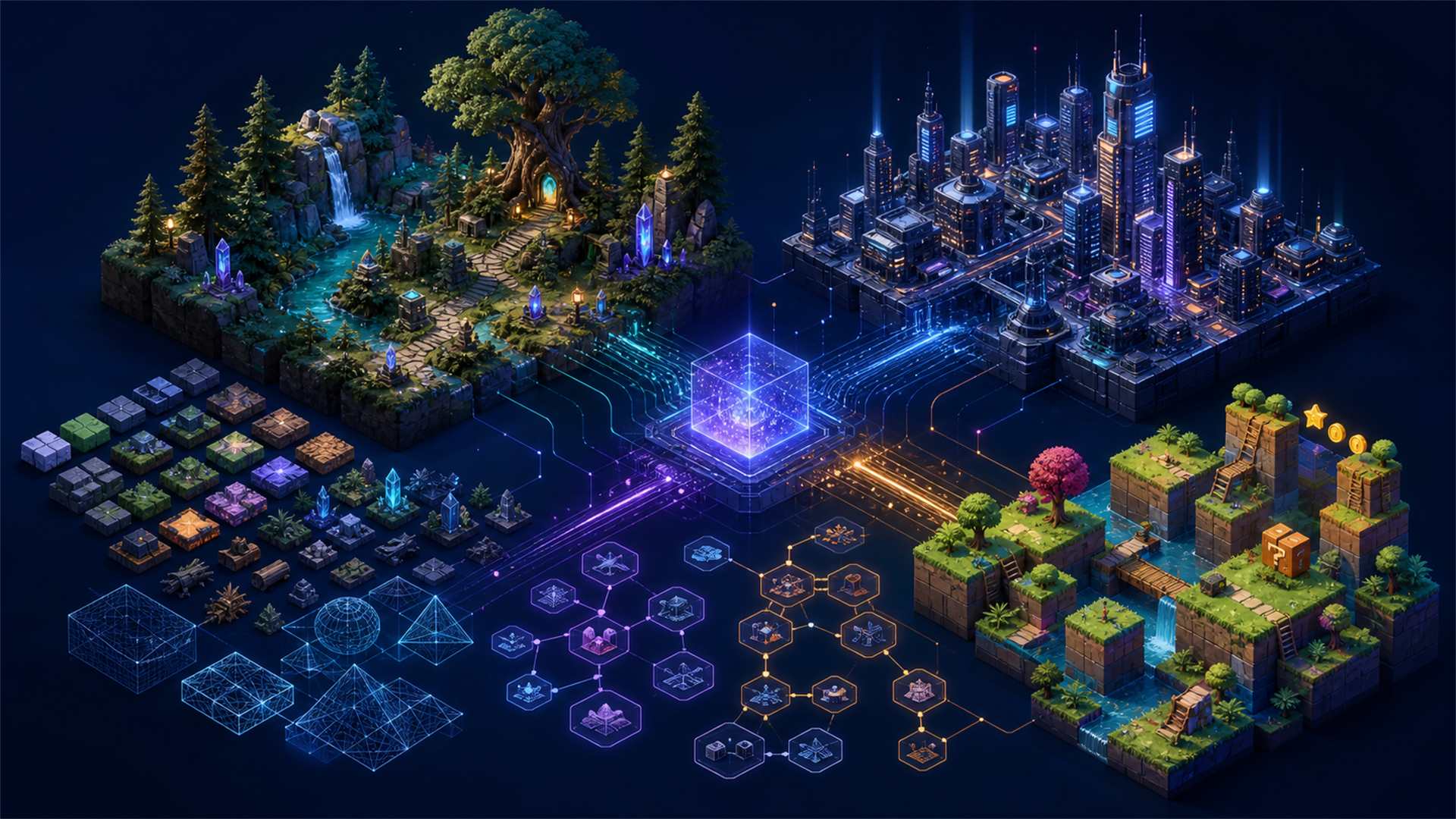
At its core, vibe coding enables users to articulate their creative vision using plain language, which is then seamlessly translated by AI into functional 3D content. This innovative methodology can be conceptualized as a sophisticated text-to-3D development pipeline, powered by the intricate interplay of large language models (LLMs), advanced natural language processing (NLP), and cutting-edge visual generation tools. The profound implication is that creators can now bypass traditional scripting and complex node-based logic, simply by describing their desired outcome. Whether the goal is to prototype a game, construct an animated sequence, or meticulously model an object, vibe coding unlocks a new dimension of creation through intuitive conversation.
Central to the efficacy of vibe coding is the Multi-modal Control Protocol (MCP). This intelligent system adeptly routes language prompts to the most appropriate AI tools, eliminating the need for manual navigation through menus or command lines. Upon receiving a prompt, an LLM-powered Integrated Development Environment (IDE) interprets the request, generating the necessary code or structural frameworks to actualize the scene. This sophisticated backend architecture facilitates a seamless integration with established 3D software and prominent game engines, including industry staples like Blender and PlayCanvas. Significantly, this capability is slated to become a native feature within VIVERSE’s own publishing platform, signaling a powerful move towards widespread adoption.
The workflow inherent in vibe coding is elegantly streamlined:
Historically, the inherent complexity of 3D creation workflows, particularly those reliant on technologies like WebGL or even simplified libraries such as Three.js, has demanded extensive programming knowledge and a deep understanding of 3D scene architecture. Vibe coding fundamentally disrupts this paradigm. By dismantling technical barriers and championing natural language as the primary interface, it empowers a diverse new cohort of creators. This includes everyone from burgeoning digital artists and independent game developers to educators and students. The era of needing years of coding experience to manifest a 3D idea is swiftly drawing to a close.
The impact of vibe coding extends beyond mere accessibility; it dramatically enhances the speed and efficiency of the creative process. What once required weeks of dedicated effort for prototyping an idea can now be accomplished in a matter of hours, or even minutes. This is not merely a recalibration of workflow; it represents a profound democratization of 3D creation, inviting a broader spectrum of innovators to contribute to the digital landscape.
The real-world applications of vibe coding are already manifesting across various creative sectors.
Blender, a powerful open-source suite for 3D modeling, animation, and rendering, can be notoriously complex for newcomers due to its extensive UI and node systems. Vibe coding plugins offer a transformative solution. Instead of navigating intricate menus, creators can simply type commands such as: “Create a fancy blue spaceship with rabbit-shaped rocket engines.” Blender then interprets this natural language request and generates the foundational model. Subsequent adjustments to materials, lighting, or camera movements can be achieved with equally straightforward descriptive prompts. Publications like Creative Bloq have already highlighted how these AI plugins are revolutionizing Blender workflows, making sophisticated modeling more intuitive than ever.
Game development is experiencing a significant evolution, with browser-based engines like PlayCanvas integrating vibe coding workflows via MCP. A compelling demonstration by PlayCanvas co-founder Will Eastcott showcased the generation of a playable 3D experience using solely AI (Claude) and natural language prompts. This capability significantly slashes development times, enabling the creation of playable scenes in minutes rather than months, a monumental leap forward for rapid prototyping and iterative design in game development.
Source Insight: This report was curated based on original coverage from news.viverse.com.
Source: news.viverse.com