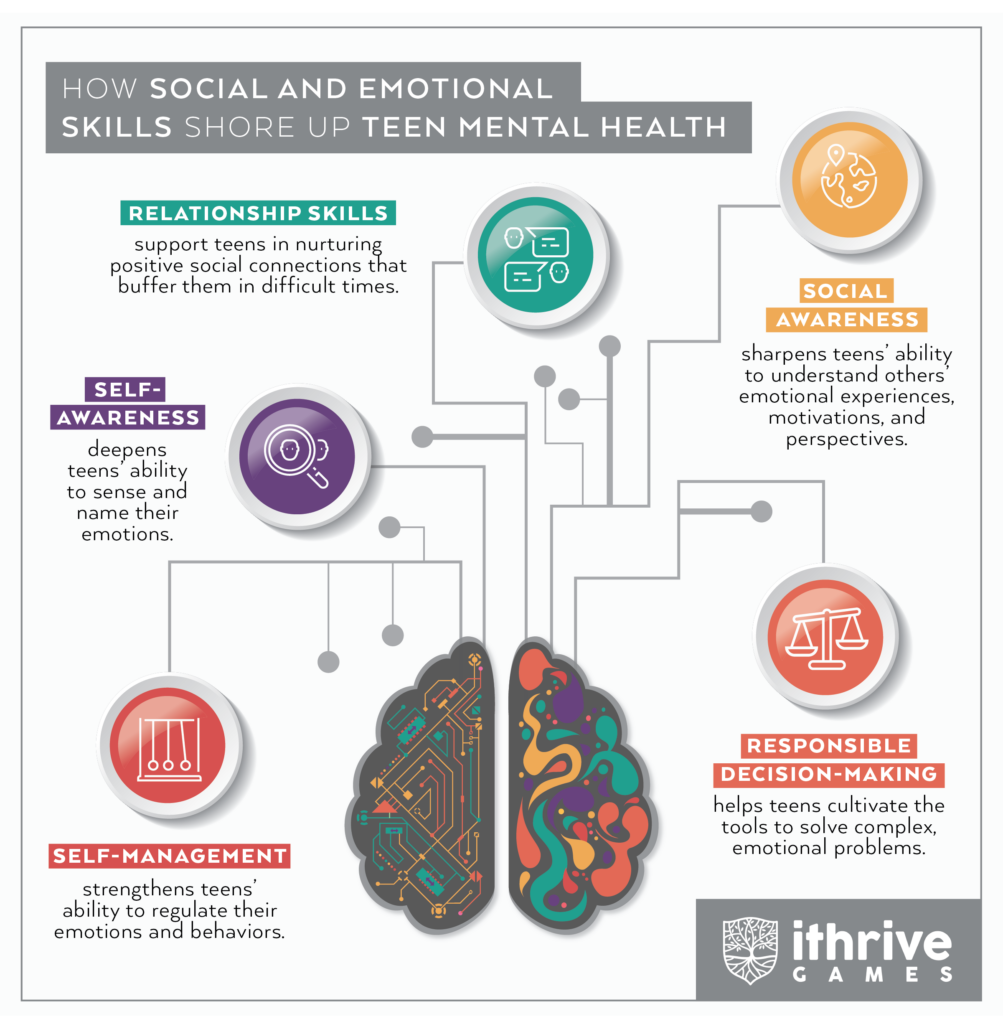
For years, video games endured scrutiny, often painted as detrimental to well-being. However, a growing body of research is decisively shifting this narrative, revealing the profound psychological benefits that gaming can offer, particularly in the realm of mental health. Far from a mere distraction, interactive digital experiences provide a rich tapestry of therapeutic advantages, from alleviating stress to fostering robust cognitive and social skills.
Escapism and Emotional Regulation
One of the most immediate and tangible benefits of gaming lies in its capacity for stress reduction and relaxation. Immersing oneself in a captivating game world provides a powerful form of escapism, allowing players to momentarily disengage from real-world pressures. This temporary respite, coupled with the release of dopamine during engaging gameplay, cultivates feelings of pleasure and calm, effectively mitigating stress and anxiety. It serves as a controlled environment where individuals can process emotions and regulate their mood, offering a healthy outlet for self-expression.
Cognitive Fortification through Play
Beyond emotional relief, gaming acts as a potent cognitive stimulant. Numerous titles demand intricate problem-solving, strategic foresight, and agile critical thinking. This mental workout, much like physical exercise for the body, strengthens key cognitive functions. Puzzle games, elaborate strategy simulations, and even action-packed adventures can significantly enhance spatial awareness, memory retention, and rapid decision-making skills, sharpening the mind in engaging ways.
Cultivating Focus and Attention
Many video games inherently require sustained attention and concentration, especially in dynamic or competitive multiplayer environments. This necessity naturally trains players to improve their focus and attention control. As individuals strive to achieve objectives, master mechanics, and excel within the game, they inadvertently cultivate the ability to maintain deep concentration over prolonged periods, a skill highly transferable to other aspects of life.
Forging Digital and Real-World Connections
In an increasingly digital world, online multiplayer games have become vital platforms for social interaction and connection. These virtual communities offer a profound sense of belonging, particularly for those who might find traditional social settings challenging. Cooperative and competitive play nurtures teamwork, communication, and essential social skills. Crucially, many of these digital friendships evolve into meaningful real-world relationships, providing invaluable support networks.
Purpose, Accomplishment, and Motivation
The inherent structure of many video games, centered around achieving goals, completing quests, and unlocking achievements, instills a powerful sense of purpose and accomplishment. The satisfaction derived from reaching these in-game milestones often translates into a positive psychological boost, fostering motivation and a sense of efficacy that can permeate daily life, encouraging players to tackle challenges beyond the screen.
Gaming as a Therapeutic Medium
The recognized psychological benefits have paved the way for the development of therapeutic gaming interventions. Known as "serious games," these specially designed titles target specific mental health conditions such as anxiety, depression, and PTSD. Integrated into clinical therapy, these games empower individuals to build robust coping mechanisms and enhance resilience in an interactive and engaging format.
The Allure of Flow States
Certain video games are masterfully crafted to induce a state of mindfulness, where players become utterly absorbed in the gaming experience. This "flow state" is characterized by complete focus, intense immersion, and a delightful sense of timelessness, significantly reducing stress. Games demanding precise timing, strategic thinking, and continuous adaptation are particularly effective at facilitating this deeply engaging and mentally restorative state.
In conclusion, the discourse around video games is evolving, moving beyond simplistic criticisms to embrace their legitimate role as tools for enhancing mental well-being. While moderation and mindful engagement remain paramount, it is unequivocally clear that gaming offers a rich spectrum of psychological benefits, from fostering relaxation and cognitive growth to building social bonds and providing therapeutic support. As our understanding deepens, we recognize gaming as a potent and valuable instrument for cultivating a healthier mind.
Source Insight: This report was curated based on original coverage from simplyputpsych.co.uk.