
AI• 7 min read
The Symbiotic Revolution: AI and Procedural Generation Forge Gaming's Next Frontier
Artificial intelligence and procedural world generation are converging to redefine the landscape of video games.
ALTERED BRILLIANCE IS LIVE.ALTERED BRILLIANCE IS LIVE ON GOOGLE PLAY.Read the product story →
Artificial intelligence and procedural world generation are converging to redefine the landscape of video games.
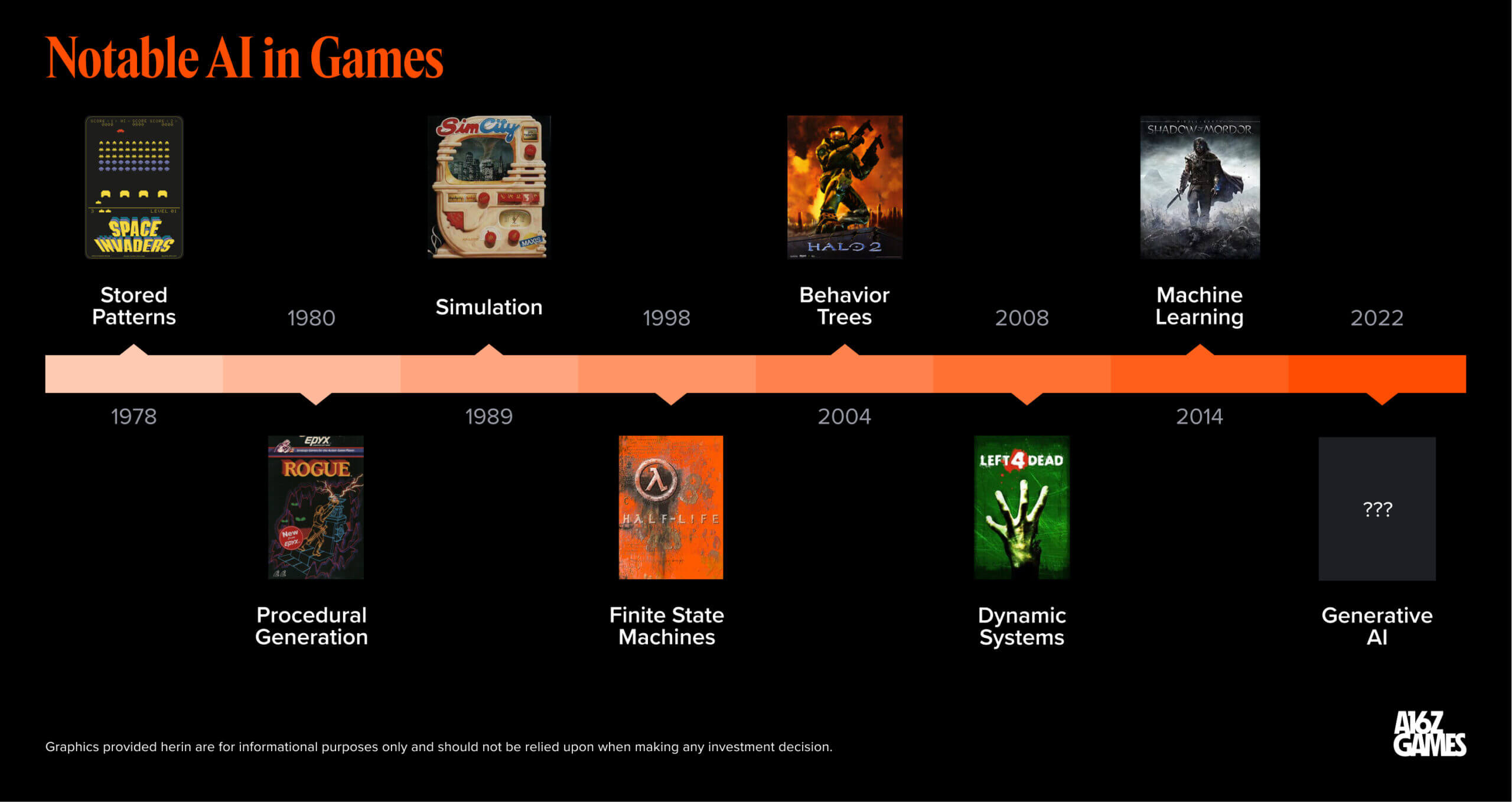
The evolution of artificial intelligence in gaming has transcended rudimentary pathfinding, now orchestrating the very fabric of virtual worlds. Today, AI underpins the creation of sprawling landscapes, intricate ecosystems, fluctuating weather systems, adaptive non-player characters (NPCs), and emergent gameplay that evolves with every player's action. This profound transformation is most vividly expressed in procedural world generation, a technological marvel employing algorithms and AI to construct vast, unique, and ever-changing environments.
Procedural worlds empower developers to craft games that feel intrinsically alive, characterized by unpredictability and boundless replayability. From the intricate generation of biomes and the labyrinthine layouts of dungeons to the complex behaviors of in-game factions and global ecosystems, procedural systems unlock a scale of content unattainable through manual craftsmanship. When integrated with next-generation AI, these systems are not merely enhancing but fundamentally redefining how games are conceived, developed, and experienced by players.
At its core, procedural generation refers to environments created algorithmically rather than through painstaking manual placement of every asset. Instead of hand-sculpting each tree, cave, or urban sprawl, developers establish a set of rules and systems that dynamically generate these elements. This encompasses a broad spectrum, including terrain and biome diversity, complex interior layouts, varied city architectures, dynamic ecosystems with wildlife, realistic weather patterns, resource distribution, faction territories, and even procedural quests and storylines.
While procedural generation provides the sheer scale of a world, it is AI that imbues it with intelligence. AI elevates static environments into responsive, believable realities. For instance, in a procedurally generated forest, AI dictates the behavior of animals, the growth patterns of factions, the adaptation of ecosystems, the spread of danger and resources, and how seasonal changes impact the environment. This sophisticated simulation transforms a mere backdrop into a truly reactive and dynamic world.
AI also revolutionizes the role of NPCs within these expansive worlds. NPCs are no longer passive background elements; they are active participants. AI enables them to develop schedules, form factions, build relationships, pursue goals, and exhibit emotions. They can adapt to player actions, recall past interactions, navigate dynamically based on world conditions, make autonomous decisions, and even generate quests based on their needs or conflicts. This intelligence extends to storytelling, where AI can soon generate emergent quests, evolving character arcs, faction-driven storylines, dynamic world events, and persistent consequences across multiple playthroughs, replacing static narratives with personalized player experiences.
Beyond individual elements, AI significantly enhances the overall world simulation. It governs intricate systems such as weather patterns, city growth, environmental hazards, physics-based destruction, wildlife migration, and population movement. The seamless merger of AI-driven simulation and procedural generation means worlds behave as intricate ecosystems rather than a series of pre-designed levels. This synergy fosters infinite replayability, where each playthrough offers a unique experience with different world seeds, evolving faction dynamics, shifting resource distributions, and novel emergent challenges. Players are guaranteed that no two adventures will ever be identical.
This powerful combination profoundly reshapes the player experience. Exploration feels perpetually fresh, offering infinite novelty through new terrain, events, and challenges. Player choices gain significant weight, directly impacting ecosystem stability, faction dominance, economic dynamics, and questlines, making the world genuinely responsive to their actions. Furthermore, AI-driven difficulty systems adapt encounters to individual playstyles, skill levels, and progression speeds, ensuring a personalized pacing for every player. Ultimately, players forge deeper emotional bonds with worlds that feel alive, reactive, and authentically unpredictable.
The technological bedrock of AI-driven procedural worlds includes advanced machine learning models for predictive generation, noise and chaos functions (like Perlin and Simplex) for natural landscapes, cellular automata for organic structures and weather, L-Systems for organic growth, dedicated AI agents for complex behaviors, and robust simulation engines for physics and crowd dynamics. For game studios, this integration offers substantial benefits: reduced manual worldbuilding workload, the creation of massive, scalable environments, more dynamic game systems, faster prototyping, higher replayability, personalized player experiences, enhanced content longevity, adaptive difficulty balancing, and evolving in-game economies. This approach is becoming indispensable for next-generation game development.
However, this innovative path is not without its hurdles. Developers face challenges in debugging unpredictable behaviors, maintaining narrative consistency within dynamic systems, mitigating the risk of repetitive patterns, and managing the potentially heavy computational load. The delicate balance between player agency and inherent randomness requires meticulous rule-setting to ensure cohesion and preserve the designer's intent. Looking ahead, the future promises fully simulated planets, AI-driven historical and cultural generation, and NPCs endowed with long-term memory and complex goals, heralding an era of unparalleled depth and realism in virtual worlds.
Source Insight: This report was curated based on original coverage from mimicgaming.com.
Source: mimicgaming.com