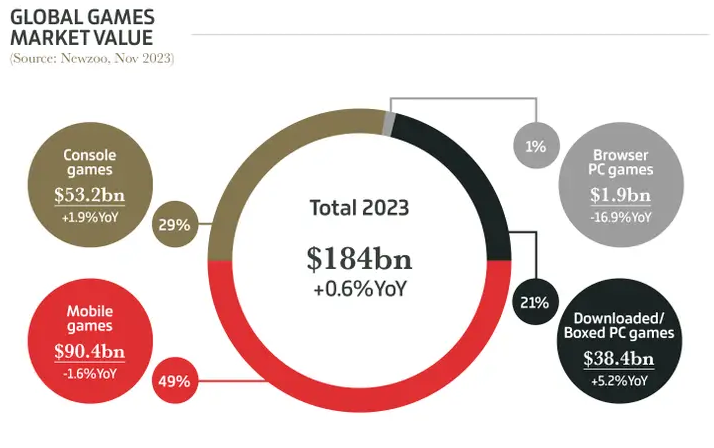
The initial half of 2026 has been a period of profound upheaval and recalibration for the global gaming industry. The post-pandemic boom has definitively receded, ushering in an era characterized by stringent restructuring, immense cost pressures, and a critical re-evaluation of established business practices. This challenging landscape has seen major console platform holders, including industry titans like Sony and Xbox, enact significant workforce reductions and studio closures. Concurrently, numerous mid-sized developers, particularly in domestic markets, have faced bankruptcy, amplifying a pervasive sense of crisis.
Economic Headwinds and Consumer Impact
Adding to the industry's woes, an unprecedented surge in memory demand, primarily driven by the burgeoning AI data center sector, has sent gaming hardware prices soaring. This economic reality has directly impacted consumers, thinning their disposable income and forcing both developers and players into a more conservative stance. The confluence of these factors has necessitated a period of introspection and adaptation across the entire ecosystem, from AAA publishers to independent studios.
The Resurgence of Consumer Trust and Rights
Amidst this tumultuous environment, the paramount importance of gamer rights and the restoration of trust has surged to the forefront of industry discourse. A landmark moment occurred when Nexon, a major player, initiated full refunds for MapleStory M following a controversial 'stealth patch' that eroded player confidence. This decisive action set a powerful precedent for accountability in the face of monetization controversies.
Globally, the burgeoning 'Stop Killing Games' movement achieved a significant victory with the passage of legislation in the California State Assembly. This bill aims to curb the unilateral termination of digital game services, signalling a growing legislative intent to protect consumer investments in digital content and foster long-term player trust.
Nexon's Strategic Overhaul and Leadership Shift
Nexon's internal landscape has undergone a significant transformation. The MapleStory M debacle led to substantial leadership changes, with former division head Kang Won-ki resigning and Nexon CEO Kang Dae-hyun assuming direct oversight. The appointment of Patrick Söderlund, previously of Embark Studios, as Nexon's first-ever Chairman underscores a strategic pivot. Söderlund's emphasis on a 'select and focus' strategy indicates a rigorous re-evaluation of Nexon's extensive game portfolio, aiming to optimize operational efficiency and profitability in an increasingly competitive market. This strategic streamlining has, however, led to the discontinuation of beloved titles like Bubble Fighter and Crazy Arcade BnB, a move met with considerable regret by long-standing fans.
Domestic Triumphs: Crimson Desert and Astrae Oratio
Despite the broader industry challenges, the first half of 2026 also celebrated significant domestic successes. Pearl Abyss's Crimson Desert emerged as a major global triumph, surpassing 6 million sales within two months of its release. This achievement signals a crucial shift in the scope and ambition of domestic game development, moving confidently from AA to AAA aspirations. The title's post-launch support, characterized by extensive, PC online-level patches, demonstrated a new paradigm for maintaining player engagement and turning initial lukewarm reception into sustained enthusiasm. This success has naturally amplified anticipation for Pearl Abyss's next major title, DokeV.
NCSoft, another domestic giant, has articulated an ambitious goal of achieving 5 trillion KRW in annual revenue by 2030. This vision is underpinned by a diverse pipeline of over 20 new titles, with a notable shift away from their traditional MMORPG focus. A key highlight is Astrae Oratio, a 'shindenki' subculture RPG developed by Dynamis One, a studio in which NCSoft made a strategic investment to secure global publishing rights. The reveal of this title signals NCSoft's intent to broaden its genre appeal and market reach.
The Enduring Impact of Industry Restructuring
These developments collectively paint a picture of an industry undergoing a profound metamorphosis. The initial half of 2026 has laid bare the vulnerabilities of traditional growth models while simultaneously highlighting the imperative of innovation, consumer-centric practices, and strategic agility. The ongoing restructuring is not merely a reactive measure but a fundamental reshaping of the gaming landscape, driven by economic realities, technological advancements, and evolving player expectations. The lessons learned and the precedents set in this period will undoubtedly influence the trajectory of gaming for years to come, emphasizing resilience and adaptability as core tenets for success in this dynamic global market.
Source Insight: This report was curated based on original coverage from gamemeca.com.