
News• 6 min read
The Shifting Landscape of Gaming: A Deep Dive into Mergers and Acquisitions
The gaming industry is witnessing an unprecedented surge in mergers and acquisitions.
ALTERED BRILLIANCE IS LIVE.ALTERED BRILLIANCE IS LIVE ON GOOGLE PLAY.Read the product story →
The gaming industry is witnessing an unprecedented surge in mergers and acquisitions.
The gaming industry is undergoing a transformative period marked by an unprecedented surge in mergers and acquisitions (M&A). Unlike previous cycles, the scale and frequency of these deals are reshaping the competitive landscape, with established tech giants and traditional publishers vying for dominance.
For years, Tencent's acquisition of Supercell for $8.6 billion in 2016 stood as a landmark transaction. However, recent announcements have dwarfed this figure, signaling a new era of consolidation. Take-Two Interactive's $12.7 billion purchase of Zynga and, more notably, Microsoft's monumental $68.7 billion bid for Activision Blizzard underscore the immense capital now flowing into the sector. These figures are not just headlines; they represent a fundamental re-evaluation of gaming's value and strategic importance.
Companies are pursuing M&A for a multitude of strategic reasons. One primary driver is the desire to expand market share and diversify portfolios. By acquiring studios, companies can immediately gain access to new intellectual properties (IPs), talent pools, and player bases, sidestepping the time and risk associated with organic growth. This strategy allows them to enter new market segments, such as mobile gaming or specific genres, without the need to build from the ground up.
Furthermore, the acquisitions are aimed at increasing a company's Total Available Market (TAM). A larger TAM translates to a wider audience, more engaged players, and ultimately, higher revenue potential. This expansion is crucial in an increasingly competitive global market where scale can provide a significant advantage.
The gaming industry's explosive growth, particularly accelerated by global events like the COVID-19 pandemic, has positioned it as an irresistible investment opportunity. Once a niche pursuit, gaming has evolved into a multibillion-dollar industry with billions of active users worldwide. This massive and highly engaged audience presents unparalleled opportunities for digital publishers to enhance revenue streams and achieve organizational goals.
Key trends attracting significant investment include the industry's consistent generation of substantial revenue, the long-term stability offered by evolving consumer preferences, and the successful adoption of new business models that sustain in-game spending. Mobile gaming, in particular, continues to be the fastest-growing platform, while the rise of esports further solidifies the industry's economic power.
One significant benefit of M&A in gaming is the injection of capital and resources into acquired studios. This financial backing can enable developers to create higher-quality games more rapidly, fostering innovation and pushing creative boundaries. A classic example is Sony's acquisition of Naughty Dog, which led to the development of critically acclaimed and commercially successful franchises like Uncharted and The Last of Us.
The industry's market value continues its upward trajectory, with 2021 setting new records at an estimated $173.7 billion. Companies from the Asia-Pacific region alone contributed significantly, demonstrating the global nature of this growth.
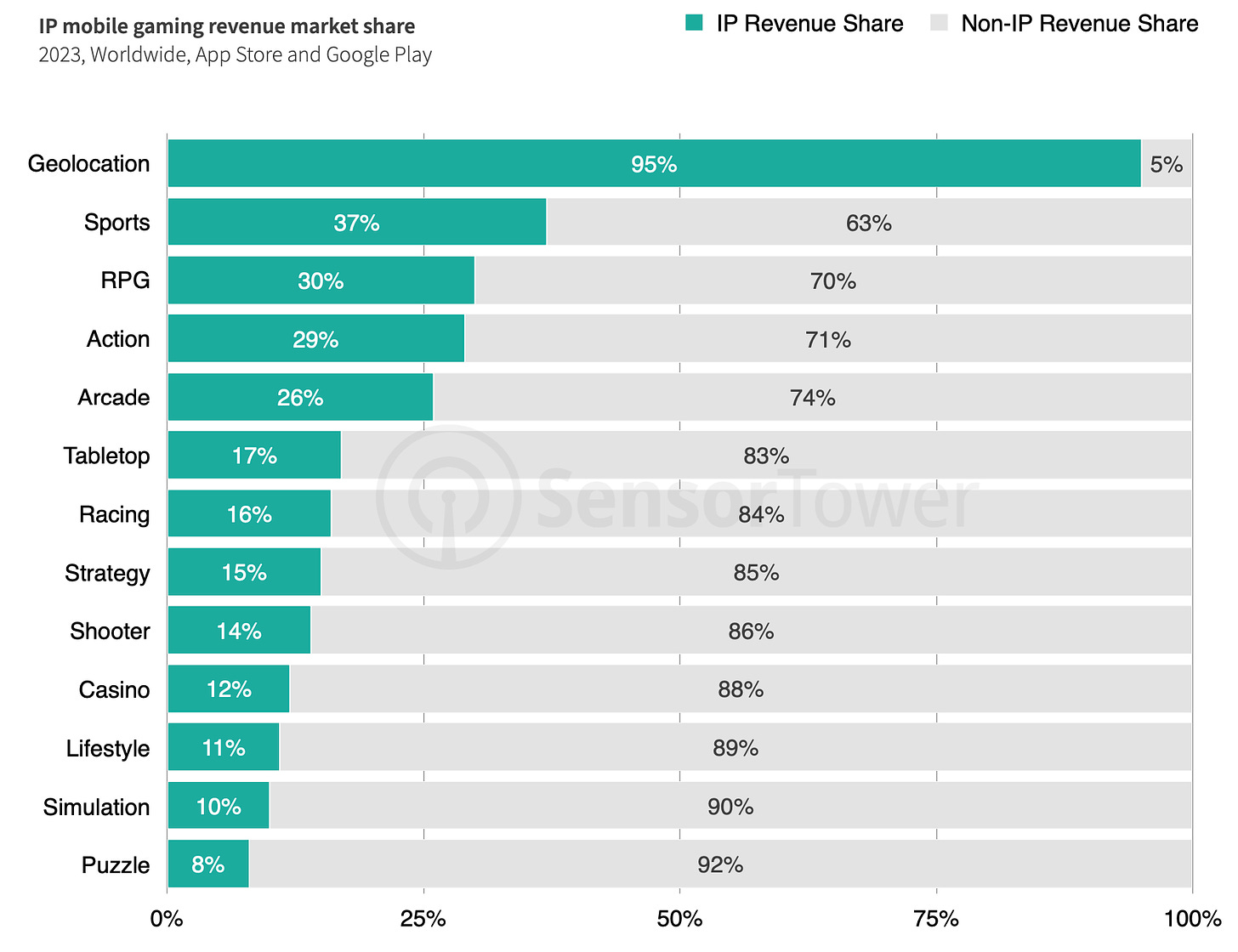
For publishers navigating this dynamic landscape, two critical lessons emerge from the M&A frenzy: the paramount importance of Intellectual Property (IP) and effective monetization strategies.
The gaming industry has masterfully cultivated powerful IPs that transcend the digital realm, extending into merchandise, film, and other media. Franchises like Angry Birds, Tomb Raider, Doom, Assassin’s Creed, and Resident Evil exemplify how strong IPs can create expansive universes and diverse revenue streams. For publishers, understanding and investing in the development of compelling IP is no longer just about games; it's about building cross-platform brands with enduring appeal.
Beyond IP, the success of gaming companies hinges on their ability to implement diverse and effective monetization models. This includes not only traditional sales but also in-game advertising, subscriptions, battle passes, and microtransactions. Publishers must continuously innovate in how they engage and derive value from their audience, ensuring sustained growth in a rapidly evolving market. The ability to integrate profitable programmatic solutions, as seen with firms like VDO.AI, becomes crucial for maximizing revenue from a large and engaged gamer base.
In conclusion, the current wave of gaming M&A signifies a maturation of the industry, where strategic consolidation is driving unprecedented growth and innovation. Publishers who recognize the value of strong IP and sophisticated monetization strategies will be best positioned to thrive in this exciting new chapter.
Source Insight: This report was curated based on original coverage from vdo.ai.
Source: vdo.ai