The intersection of gaming and mental wellness has long been a topic of fervent discussion, often clouded by misconceptions. However, recent scholarly attention and practical implementations within vibrant gaming communities are powerfully reframing this narrative. Far from mere entertainment, gaming, particularly in structured social environments, is emerging as a potent tool for nurturing psychological health.
The Foundational Role of Social Connectivity
One of the most profound contributions of communal gaming spaces to mental wellbeing is the unparalleled opportunity for social connection. Research from institutions like the National Institute of Mental Health consistently highlights the critical role of social interaction in mitigating risks associated with depression and anxiety. Gaming communities, through their inherent structure of shared interests and cooperative or competitive play, organically foster bonds. Thoughtfully designed spaces, featuring adaptable seating and team-based events, actively encourage natural socialization, transforming potentially isolating digital experiences into rich, face-to-face interactions.
Cultivating Confidence Through Progressive Achievement
Beyond social ties, gaming environments provide robust progression systems that are intrinsically linked to confidence building. The journey of mastering a complex strategy game or incrementally expanding a collection offers tangible, visible metrics of progress. This structured advancement, often broken down into micro-goals, can be particularly beneficial in combating issues like executive dysfunction by providing clear pathways to achievement. The reinforcement of self-efficacy through these successes, coupled with supportive guild or community systems, mirrors therapeutic accountability groups and cultivates a growth mindset among participants.
Mindful Engagement for Enhanced Wellbeing
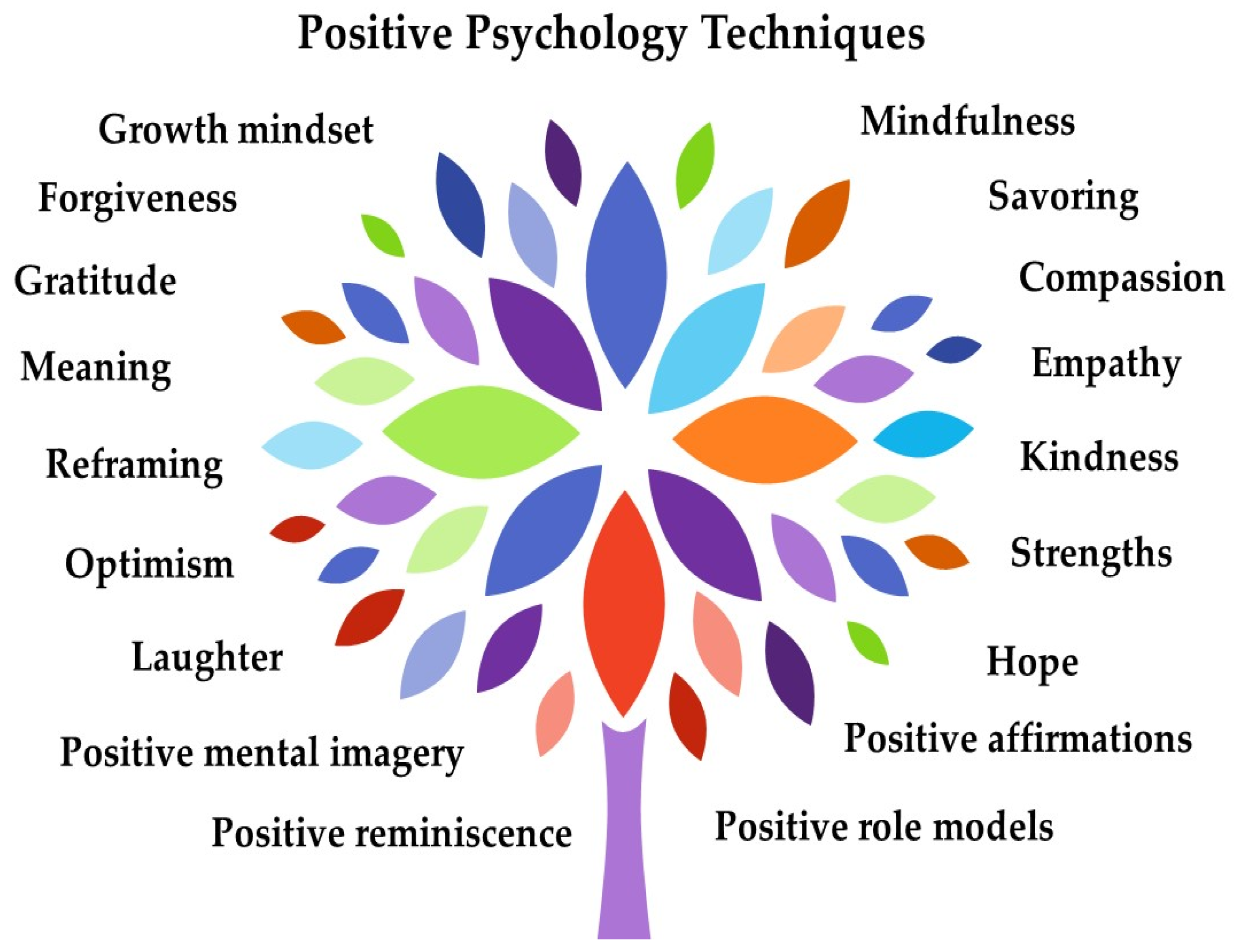
The integration of mindful gaming techniques represents a sophisticated evolution in leveraging play for psychological benefit. Adapting clinically proven mindfulness exercises, such as controlled breathing routines before a critical turn in a strategy game, can effectively reduce acute anxiety in high-pressure scenarios. Similarly, encouraging participants to reflect on and share their 'highlights reel' post-game, akin to gratitude journaling, serves as a powerful counter-narrative to negative self-talk or competitive toxicity, promoting a more positive and reflective approach to play.
Addressing Anxiety Through Flow States and Social Bonding
For many, gaming offers a unique avenue for anxiety relief. Moderate engagement, typically around two to three hours per session, particularly within a supportive social context, facilitates the induction of flow states. This psychological phenomenon, characterized by deep immersion and focus, can temporarily alleviate anxious thoughts and promote a sense of control and accomplishment. When combined with the inherent social bonding found in community play, gaming becomes a powerful antidote to feelings of isolation and overwhelming stress, provided healthy boundaries and hydration reminders are maintained.
Fostering a Culture of Psychological Safety
Crucially, the positive mental health impacts of gaming environments are significantly amplified by a commitment to psychological safety. Proactive measures against toxic behavior, such as clear conduct policies and mandatory sportsmanship modules, are vital. This dedication extends to offering sensory-friendly events, creating inclusive spaces for individuals with diverse needs. Adjustments like reduced lighting, noise-canceling zones, and low-stimulation game options ensure that the benefits of communal play are accessible to all, underscoring a holistic approach to wellbeing.
The Wider Implications for Public Health
The insights gleaned from well-managed gaming communities have broader implications for public health. By demonstrating how structured play can enhance social connection, build confidence, and promote mindfulness, these models offer tangible, accessible avenues for mental health support. As research continues to unravel the complexities of the human psyche and its interaction with digital and social landscapes, the role of gaming as a positive force for wellbeing is increasingly undeniable.
A New Frontier in Holistic Wellness
In essence, the evolving understanding of gaming transcends its traditional classification as mere leisure. It is becoming recognized as a dynamic platform where carefully cultivated environments, underpinned by psychological principles, can profoundly contribute to mental wellness. This paradigm shift invites us to embrace gaming not just as entertainment, but as a legitimate and powerful component of a holistic approach to health and personal development.
Source Insight: This report was curated based on original coverage from exmachinagaming.com.