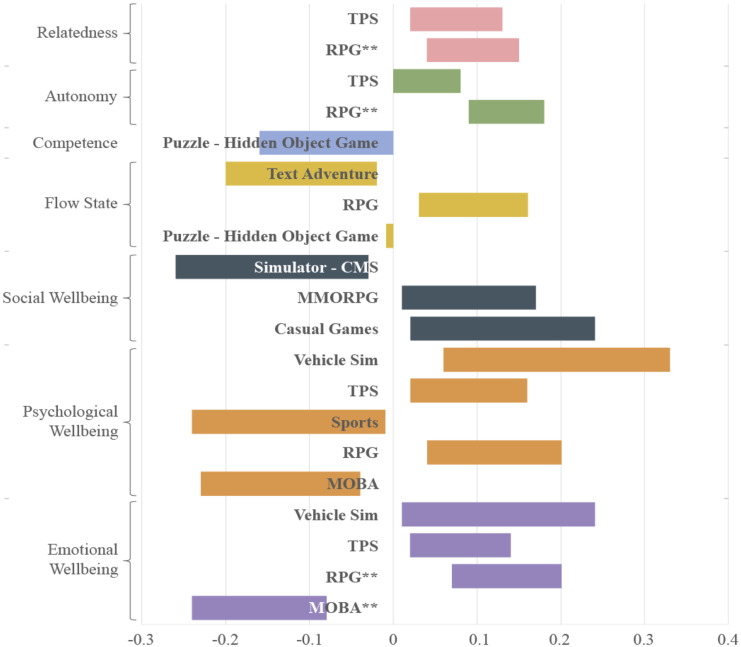
The world of video games has evolved far beyond a simple pastime, becoming a ubiquitous cultural force with profound implications for human psychology. As we navigate an increasingly digital landscape, understanding the intricate relationship between gaming and our mental well-being is paramount. Far from being a mere distraction, video games offer a spectrum of cognitive challenges and social interactions that can significantly impact our minds, both positively and negatively.
The Dual Nature of Digital Engagement
At its core, gaming is a double-edged sword. On one hand, studies have consistently highlighted the cognitive benefits associated with regular gameplay. Games often demand rapid decision-making, problem-solving, and strategic thinking, fostering enhanced executive functions, spatial reasoning, and reaction times. Multiplayer titles, in particular, can cultivate crucial social skills, teamwork, and communication as players collaborate to achieve common goals. The sense of achievement and mastery gained from overcoming in-game challenges can also significantly boost self-esteem and provide a much-needed sense of accomplishment in a complex world.
Navigating the Potential Pitfalls
However, the immersive nature of video games also presents a unique set of challenges. Excessive screen time can disrupt sleep patterns, lead to a sedentary lifestyle, and potentially impact academic or professional responsibilities. Concerns around gaming addiction, while a contentious topic in clinical psychology, highlight the potential for certain individuals to develop problematic patterns of use that interfere with their daily lives. The digital environment, while offering connection, can also sometimes foster social isolation if it replaces real-world interactions.
Psychological Resonance and Dopaminergic Pathways
The allure of gaming is often tied to its ability to tap into fundamental psychological drives. Games provide immediate feedback, clear objectives, and a sense of progression, all of which stimulate the brain's dopamine reward system. This neurochemical response is intrinsically linked to motivation and pleasure, creating a powerful feedback loop that can make games highly engaging, and in some cases, difficult to disengage from. Understanding these underlying mechanisms is key to appreciating both the appeal and the potential for over-engagement.
The Importance of Intentional Gameplay
Cultivating a healthy relationship with video games hinges on intentional gameplay. This involves being mindful of why and how one engages with games. Are you playing for relaxation, social connection, cognitive challenge, or merely to escape? Recognizing the motivations behind gameplay can help players make more conscious choices about their habits. Setting clear boundaries, scheduling dedicated gaming time, and ensuring a balance with other life activities are fundamental strategies.
Fostering a Balanced Digital Lifestyle
A truly healthy digital lifestyle embraces gaming as one component among many. This means prioritizing physical activity, face-to-face social interactions, adequate sleep, and diverse hobbies. Parents and educators have a vital role in guiding younger generations towards mindful gaming habits, fostering critical thinking about screen time, and encouraging a variety of leisure pursuits. The goal is not to demonize gaming, but to integrate it harmoniously into a well-rounded existence.
Recognizing the Signs of Imbalance
It is crucial for individuals and their support networks to recognize the early signs of an unhealthy gaming pattern. These might include a persistent preoccupation with gaming, withdrawal from other activities, continued gaming despite negative consequences, or increased irritability when unable to play. Open communication and seeking professional guidance, if necessary, are important steps toward re-establishing balance and well-being.
The Evolving Narrative of Gaming and Wellness
The discourse around video games and mental health is continually evolving. As game design becomes more sophisticated and our understanding of human psychology deepens, so too will our ability to leverage the positive aspects of gaming while mitigating its risks. Altered Brilliance advocates for an informed and proactive approach, empowering gamers to harness the enriching potential of digital worlds without compromising their overall wellness.
By embracing a mindful approach, gamers can ensure that their digital adventures contribute positively to their cognitive abilities, social connections, and overall life satisfaction, rather than detracting from it. The journey through virtual landscapes can be profoundly rewarding, provided it is undertaken with awareness and balance.
Source Insight: This report was curated based on original coverage from enostech.com.