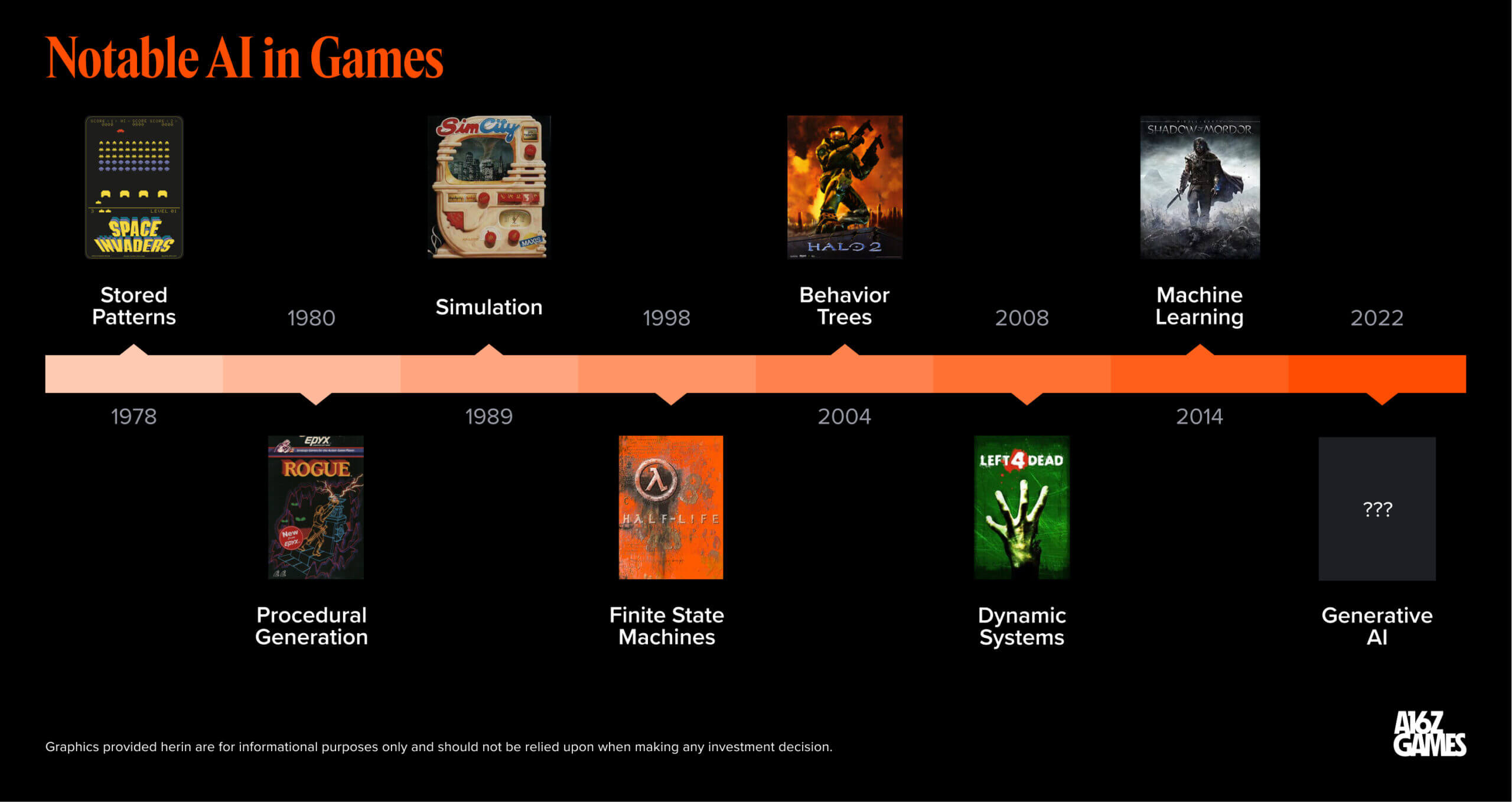
The integration of artificial intelligence into game development marks a profound shift, redefining how digital worlds are conceived, constructed, and experienced. AI is no longer a peripheral tool but a central pillar, empowering developers to craft deeper narratives, more responsive characters, and virtually boundless environments. This technological renaissance, driven by engines like Unreal Engine and Unity, is not merely about automation; it's about unlocking new frontiers of creativity and immersion.
The Sophistication of AI-Driven Characters
One of the most transformative impacts of AI lies in its ability to imbue non-playable characters (NPCs) with unprecedented intelligence and realism. Historically, NPCs were constrained by rigid, predictable scripts, often leading to repetitive and unengaging interactions. Modern AI transcends these limitations, enabling NPCs to exhibit human-like decision-making, dynamic responses, and complex social behaviors. Games like The Last of Us Part II exemplify this, where NPCs communicate, coordinate tactics, and adapt to player actions in real-time, making every encounter feel unique and challenging. This level of AI not only heightens the sense of peril but also fosters a deeper connection between players and the game world.
Natural Language Processing: A New Era for Dialogue
Beyond combat and navigation, AI, specifically Natural Language Processing (NLP), is revolutionizing NPC dialogue. The move from static, pre-recorded lines to dynamic, context-aware conversations creates a more organic and responsive narrative. Experiments in games like AI Dungeon demonstrate the potential for procedural storytelling, where AI generates dialogue and plot elements on the fly, allowing for truly player-driven narratives. This capability promises to forge stronger emotional bonds between players and characters, making interactions feel less like a programmed response and more like genuine communication.
Procedural World Generation: Infinite Vistas
Another monumental leap forward is AI's capacity for procedural world generation. This technique allows for the creation of vast, intricate game environments without the arduous process of manual design for every detail. AI algorithms can generate everything from sprawling landscapes and bustling cities to hidden dungeons and unique quests. Titles like No Man's Sky showcase this power, generating a universe of over 18 quintillion planets, each with distinct ecosystems and geological features. This scale would be unattainable without AI orchestrating the complex algorithms required to render such diverse and expansive worlds.
Harmonizing Randomness with Purposeful Design
While the scope offered by AI-generated worlds is immense, the challenge lies in balancing inherent randomness with a coherent, engaging design. Developers are increasingly adopting a hybrid approach, combining AI-driven generation with careful human curation. Games like Minecraft and Spelunky are prime examples, where AI handles the foundational generation of terrain and structures, while human designers fine-tune critical elements to ensure player engagement and narrative integrity. This synergy ensures that procedurally generated content feels both fresh and meaningful.
Machine Learning Streamlining Development Workflows
Beyond in-game applications, machine learning (ML) is optimizing the very process of game development. ML algorithms are deployed to automate and enhance various behind-the-scenes tasks, from asset creation to quality assurance. Tools like Artomatix leverage AI to assist artists in generating textures, animations, and models, freeing up valuable time for more creative endeavors. Artists can provide a base set of inputs, and AI can rapidly generate myriad variations, complete with weathering effects or color changes, significantly accelerating the asset pipeline.
AI in Quality Assurance: A Paradigm Shift
ML is also transforming quality assurance (QA). Traditional QA processes are notoriously time-consuming, relying heavily on manual testing. AI-powered systems can now be trained to detect bugs, glitches, and inconsistencies within game code with remarkable efficiency, drastically shortening testing cycles. Platforms such as Playtesting AI can simulate thousands of player actions, identifying potential gameplay issues that might elude human testers. This proactive bug detection ensures a more polished and stable final product, enhancing the overall player experience.
Leading the Charge: Unreal Engine and Unity
Industry-leading game engines, Unreal Engine and Unity, are at the forefront of integrating these advanced AI technologies. Unreal Engine offers a comprehensive suite of AI tools, including behavior trees and an AI Perception System, allowing NPCs to dynamically react to their environment through senses like sight and sound. Its MetaHuman tool, powered by AI, enables the rapid creation of hyper-realistic characters. Similarly, Unity provides the ML-Agents Toolkit, empowering developers to train AI agents to learn and adapt, along with robust procedural generation tools. These platforms democratize access to sophisticated AI, enabling studios of all sizes to push creative boundaries.
The Horizon of AI in Gaming
The future of AI in game development is exceptionally bright. As AI capabilities continue to evolve, we can anticipate even more sophisticated characters, expansive and believable worlds, and further streamlined development pipelines. The potential for AI-driven storytelling, where narratives fluidly adapt to player choices, promises a level of personalization previously unimaginable. Furthermore, the increasing accessibility of AI tools will empower indie studios to achieve production values that rival those of AAA titles, fostering an even richer and more diverse gaming landscape. This intelligent evolution promises an era of unparalleled immersive and dynamic interactive experiences.
Source Insight: This report was curated based on original coverage from geniuscrate.com.