
News• 7 min read
The Global Gaming Renaissance: A Deep Dive into an Evolving Digital Ecosystem
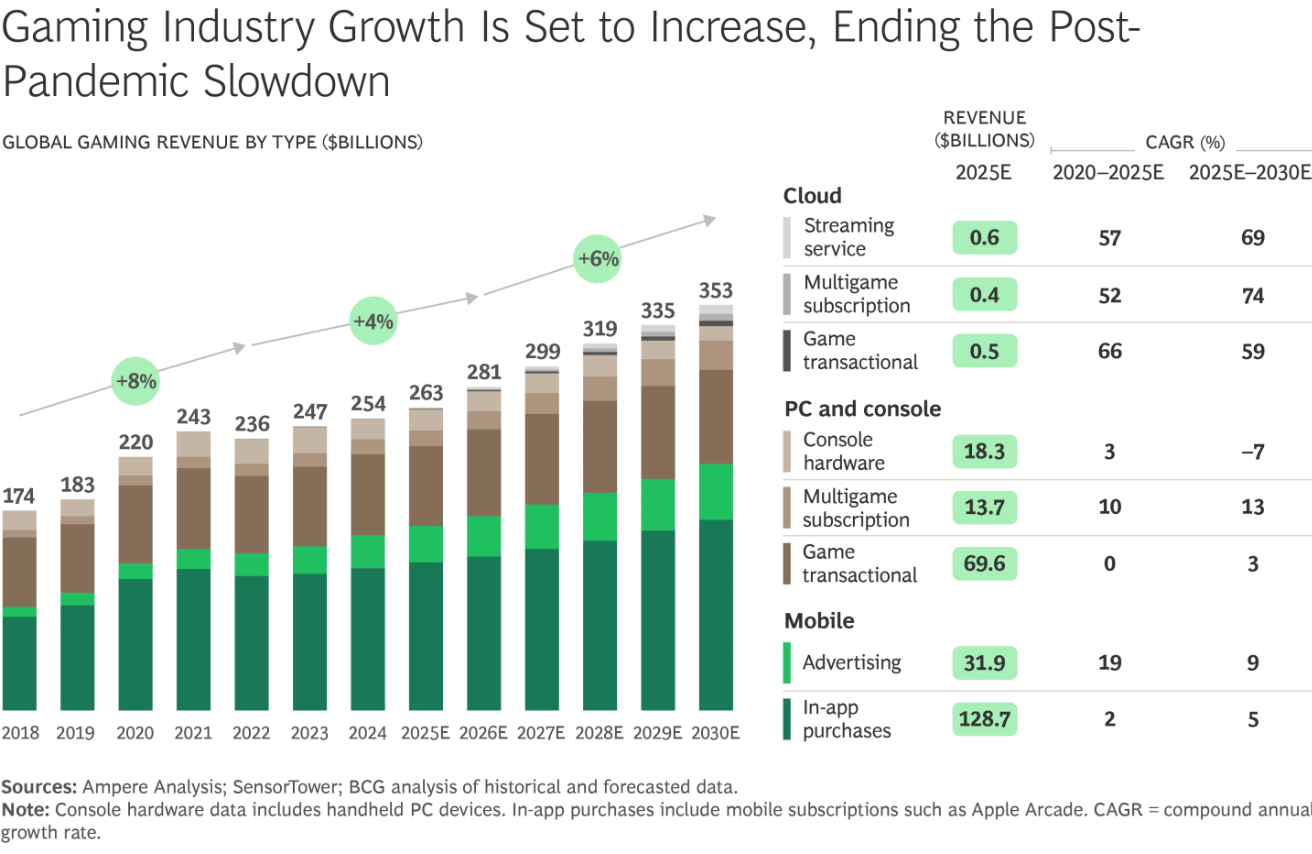
The global video gaming market has surged past the $220 billion mark, driven by mobile gaming, cloud adoption, esports, and immersive technologies.
ALTERED BRILLIANCE IS LIVE.ALTERED BRILLIANCE IS LIVE ON GOOGLE PLAY.Read the product story →
The global video gaming market has surged past the $220 billion mark, driven by mobile gaming, cloud adoption, esports, and immersive technologies.
The global video gaming market has officially surpassed an astounding $220 billion valuation, according to a recent strategic market analysis. This monumental figure, derived from a five-year historical overview, underscores an industry in dynamic transformation, poised for continued exponential growth. The trajectory of this expansion is deeply rooted in several interwoven factors, including the pervasive rise of smartphone and internet penetration, the accelerating adoption of mobile and cloud gaming platforms, and an ever-increasing consumer appetite for immersive and multiplayer experiences. Complementing these are the sophisticated commercialization of esports and subscription-based services, alongside relentless technological advancements across virtual reality (VR), augmented reality (AR), artificial intelligence (AI), cross-platform gaming, and integrated digital entertainment ecosystems.
The most significant driver of this market surge is arguably the unprecedented expansion of mobile gaming. With an estimated 4.9 billion smartphone users globally in 2024, the sheer scale of the addressable audience for mobile titles is staggering. This widespread access has transformed mobile gaming into the largest and most accessible segment of the entire video gaming market, fostering an environment where casual games, complex multiplayer experiences, and competitive mobile esports thrive. Enhanced smartphone processing power, increasingly affordable mobile data, and the rollout of 5G connectivity are empowering developers to craft increasingly sophisticated experiences. Furthermore, diverse monetization strategies, including free-to-play models, in-app purchases, advertising, battle passes, and downloadable content, enable publishers to effectively engage and monetize vast player communities across both established and emerging markets.
Cloud gaming is rapidly reshaping traditional consumption patterns, liberating players from the constraints of expensive hardware. By streaming games directly to smartphones, televisions, tablets, and various connected devices, cloud platforms make premium gaming accessible to a broader demographic. The approximately 50 million cloud gaming subscribers in 2024 signal a clear consumer preference for convenience and hardware independence. The ongoing expansion of high-speed broadband and 5G networks is critical, promising to mitigate latency issues and enhance streaming quality, thereby significantly improving the overall player experience. This evolution presents strategic opportunities for a diverse array of stakeholders, from gaming companies and telecommunications providers to cloud infrastructure operators and smart television manufacturers, to forge integrated gaming ecosystems.
Esports has transcended its niche origins, blossoming into a global entertainment and commercial powerhouse. With an estimated global audience of 540 million in 2024 and revenues nearing $4.3 billion from tournaments and related activities, its economic footprint is undeniable. The burgeoning viewership, professional league structures, lucrative sponsorship deals, media rights, merchandise sales, influential gaming personalities, and dynamic live tournament formats are attracting substantial investment. Game publishers and esports organizations are strategically cultivating structured competitive ecosystems around popular titles, unlocking novel revenue streams through advertising, events, streaming, team ownership, and digital content.
Innovation in immersive technologies is at the forefront of crafting increasingly engaging and personalized gaming experiences. Advances in virtual reality, augmented reality, artificial intelligence, cutting-edge game engines, and high-fidelity graphics are enabling the creation of hyper-realistic simulations, intelligent non-player characters, vibrant social gaming spaces, and entirely new paradigms of player engagement. The growing integration of gaming with virtual worlds and metaverse-based environments is poised to unlock further opportunities. These include the proliferation of digital assets, enhanced social interaction, virtual events, branded experiences, and a new generation of in-game purchases. Companies that proactively invest in scalable immersive technologies are likely to secure significant competitive advantages as these innovations move towards mainstream adoption.
For executives navigating this rapidly evolving landscape, understanding market dynamics and strategic timing is paramount. The global video gaming market, projected to grow from $220 billion to $360 billion by 2029, offers rich opportunities across diverse segments: mobile games, cloud gaming, subscription services, esports, gaming software, and immersive technologies. Mobile-first and free-to-play models offer immediate access to broad consumer populations, particularly in high-growth emerging markets. Meanwhile, cloud gaming and subscription-based services represent longer-term growth avenues, contingent on continued improvements in internet infrastructure, connected-device penetration, and growing consumer willingness to embrace recurring access models.
As the industry expands, the complexity of regulatory frameworks also grows. The report highlights critical regulatory considerations that impact game development, publishing, distribution, monetization, and market entry. These include restrictions on gaming time for minors, content approval processes, stringent data protection regulations, cybersecurity obligations, intellectual property protection, online payment regulations, and evolving stances on mechanisms like loot boxes or other chance-based monetization methods. Strategic navigation of these regulatory challenges is essential for sustainable growth and market penetration in various jurisdictions. The ability to adapt to differing legal and ethical standards will be a key differentiator for industry leaders seeking to maintain global reach and consumer trust.
Source Insight: This report was curated based on original coverage from openpr.com.
Source: openpr.com