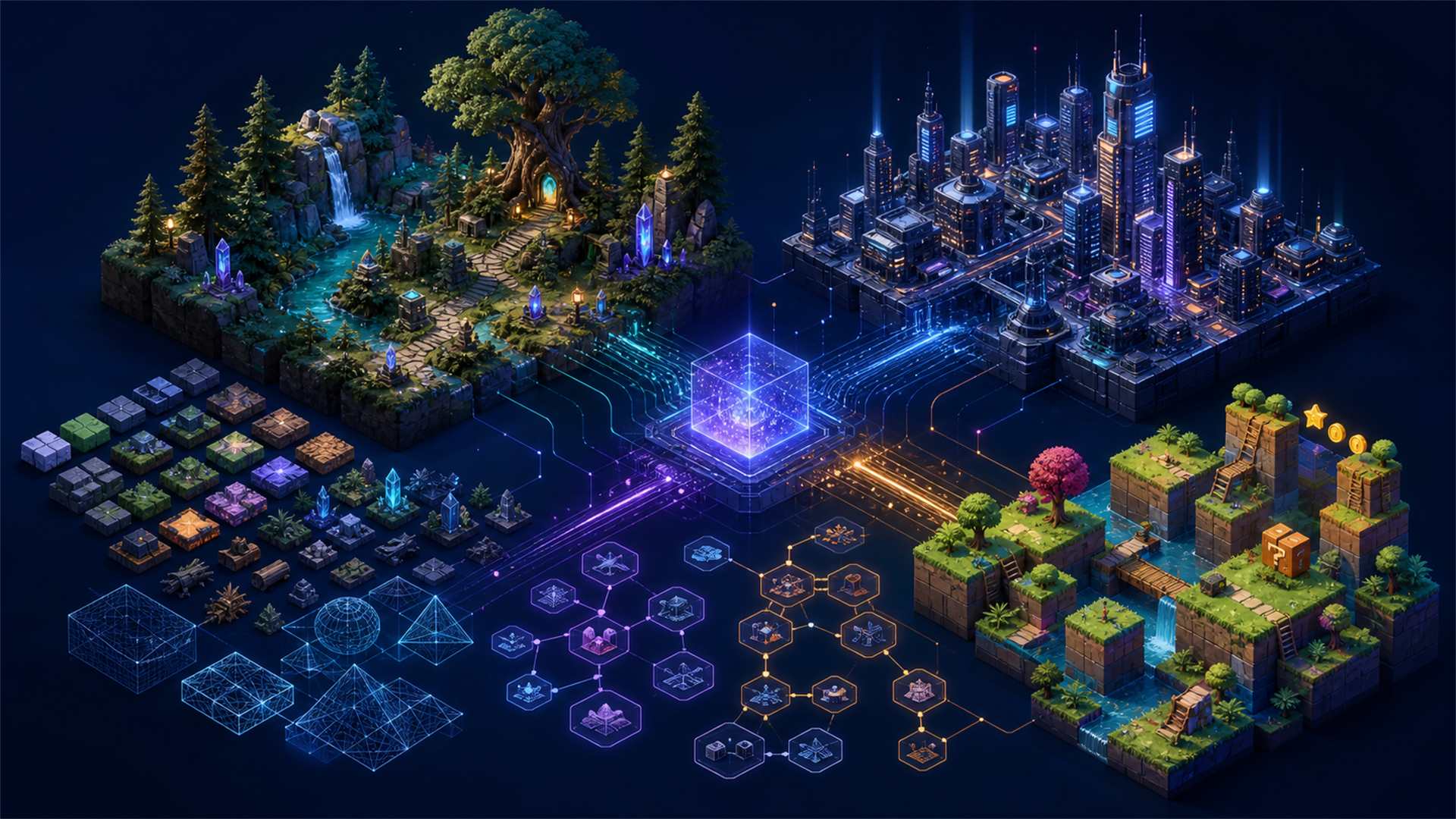
The year 2026 marks a significant inflection point in the landscape of game development, ushered in by the advent of 'vibe coding'. This innovative paradigm empowers creators to materialize complex 3D worlds and interactive experiences using natural language prompts, effectively lowering the barrier to entry for aspiring designers and seasoned developers alike. The shift is not merely about automation, but about a profound change in the creative workflow, fostering a more intuitive and fluid design process.
The Core of Vibe Coding: Intuitive World Building
At its heart, vibe coding enables the generation of playable 3D environments within real game engines through conversational input. Imagine describing a fantastical setting – "a floating island with a lava cave" – and witnessing its instantaneous manifestation with fully functional physics and collision detection. This goes far beyond mere static image generation; it crafts dynamic, interactive spaces. The ability to then refine these creations, perhaps by instructing the AI to "make the character run faster," showcases a level of real-time adaptability previously unimaginable.
Engine-First vs. Prompt-Only: A Critical Distinction
The emerging ecosystem of vibe coding platforms presents a crucial dichotomy: engine-first platforms versus prompt-only tools. Engine-first solutions, exemplified by platforms like Nilo, integrate AI directly into a dedicated game engine. This approach grants creators unparalleled depth and hands-on control, allowing for real-time tweaking of variables, testing of ideas, and even collaborative building within the live 3D environment. The output from such platforms boasts clean mesh topology, automatically rigged characters, and AI-generated animations, ensuring both creative freedom and technical integrity.
In stark contrast, prompt-only tools, while capable of generating playable content, often fall short in providing the same level of granular control and iterative flexibility. While they can produce impressive initial results, the process of refining or modifying these creations can be cumbersome, often requiring repeated prompting and lacking the seamless, in-engine manipulation that defines a true creative flow. The difference is akin to receiving a finished product versus being empowered to sculpt it yourself.
Impact on Creative Workflow and Collaboration
One of the most significant psychological impacts of engine-first vibe coding is its ability to sustain a creative flow state. Developers remain immersed in the design process, making immediate adjustments and observing their effects in real-time. This reduces friction and prevents the disruptive waiting periods associated with traditional development cycles or less interactive AI tools. Furthermore, the inherent social nature of many of these platforms encourages collaborative creation, allowing multiple users to build and playtest together, fostering community and shared innovation.
Technical Sophistication and Cross-Platform Utility
Beyond ease of use, sophisticated vibe coding platforms prioritize technical excellence. They generate high-quality 3D assets, implement automatic Level of Detail (LOD) optimization for performance across various devices, and offer robust export options. This compatibility with established platforms like Roblox, Unity, and Blender ensures that creations are not siloed but can be integrated into broader gaming ecosystems or further refined using traditional tools. This bridge between AI-powered generation and conventional development workflows is pivotal for the long-term viability and impact of vibe coding.
Evaluating the Landscape of Vibe Coding Platforms
When assessing different vibe coding solutions, several criteria emerge as paramount. A platform's ability to run a real game engine with inherent physics and collision detection is non-negotiable for authentic interactive experiences. The capacity for instant browser-based play removes installation barriers, promoting immediate engagement. Crucially, the presence of hands-on tweaking capabilities distinguishes truly empowering tools from mere generation engines. Finally, social creation features and comprehensive export options are vital for community building and maximizing the utility of generated assets.
The Democratization of Game Development
The rise of vibe coding is a testament to the ongoing democratization of game development. By abstracting away the complexities of traditional coding and asset creation, these platforms open up game design to a much wider audience. This empowers storytellers, artists, and enthusiasts who may lack technical programming skills to bring their imaginative worlds to life. The psychological benefit of this accessibility is immense, fostering a sense of agency and creative fulfillment previously reserved for a specialized few.
Nilo and the Vision of Accessible Creation
Platforms like Nilo exemplify this vision, providing a browser-based, AI-native game engine where natural language input translates directly into a live, interactive 3D world. Its open beta has demonstrated the potential for real physics, one-click rigging, and multiplayer creation, all within an accessible interface. This ecosystem not only facilitates creation but also nurtures a vibrant community, as evidenced by its robust social media presence and active Discord channels, where creators share and collaborate on their 'vibe coded' worlds. The future of interactive entertainment is undeniably shifting towards more intuitive, AI-assisted creation, with vibe coding leading the charge in redefining what it means to be a game developer.
Source Insight: This report was curated based on original coverage from nilo.io.