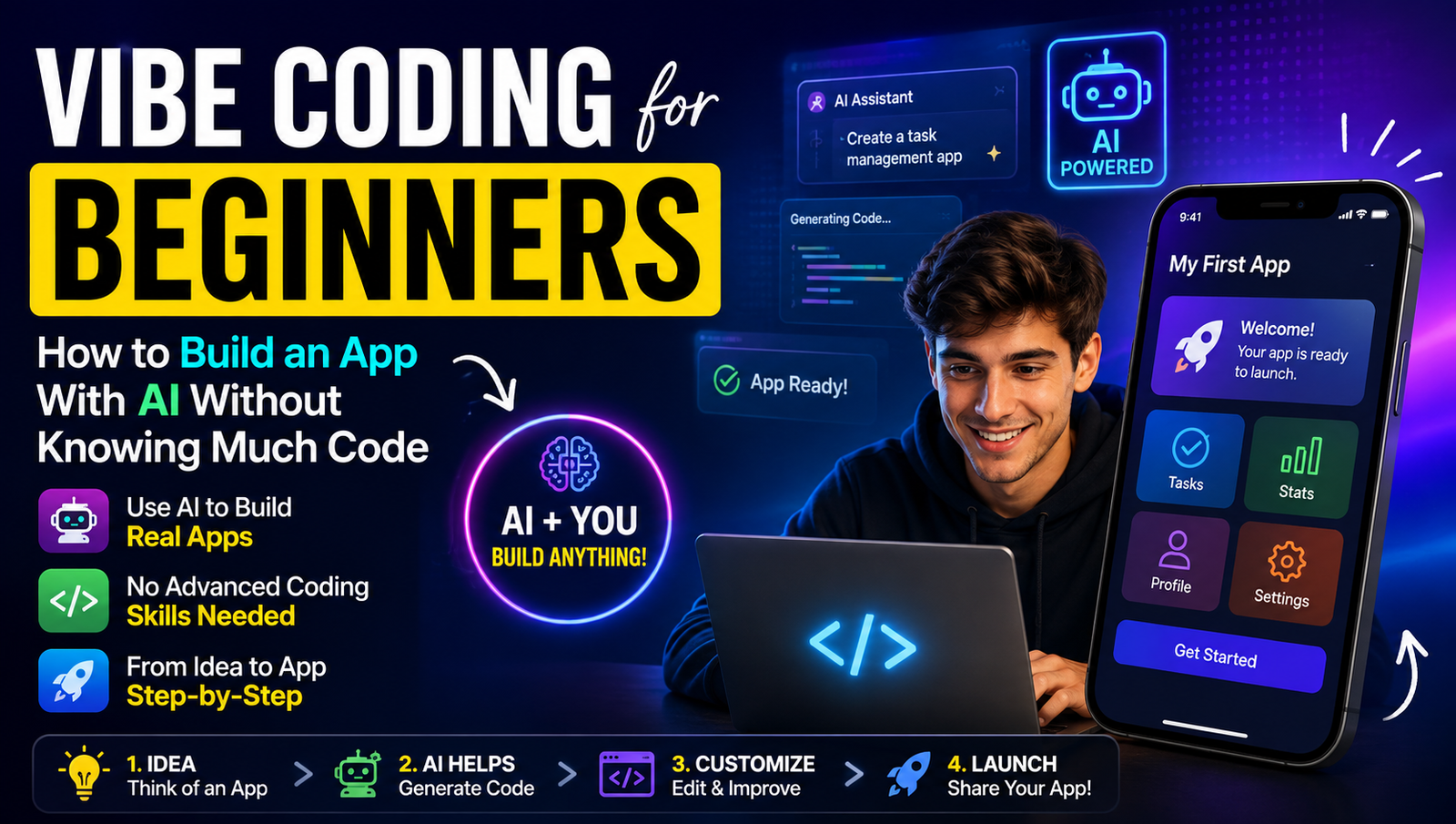
The digital frontier is constantly evolving, and at its vanguard is the burgeoning field of AI-powered development. We are witnessing a profound transformation in how applications are conceived, designed, and deployed. Gone are the days when sophisticated coding expertise was a prerequisite for bringing a digital vision to life. Today, platforms leveraging artificial intelligence are making app creation accessible to a much broader audience, fundamentally reshaping the development paradigm.
Democratizing Development with AI
At the core of this revolution is the ability to translate natural language prompts directly into operational applications. This signifies a leap beyond mere prototyping; it's about generating real, functional apps from conceptual ideas. Imagine describing an administrative dashboard, a customer portal, or an internal workflow tool in plain English, and then seeing it materialize with integral components like screens, backend logic, data structures, authentication, and user permissions already in place. This shift empowers innovators, entrepreneurs, and even casual users to become creators without needing to master complex programming languages.
Beyond the Prototype: Crafting Robust Applications
One of the critical distinctions of this new wave of AI app builders is their focus on delivering more than just mock-ups. These tools are engineered to construct applications that handle real-world workflows. This includes the intricate backend logic that defines how an app responds to user input, updates records, triggers actions, and integrates with other services. The emphasis is on functionality and operational capability, moving past purely aesthetic designs to deliver tangible, working solutions.
Streamlined Design and Logic Integration
The process typically begins with the app interface creation. AI assists in generating diverse screens, from interactive dashboards and detailed forms to comprehensive admin panels and intricate user flows. This initial AI-driven generation serves as a robust starting point, which can then be iteratively refined and customized. Crucially, the platform also facilitates the integration of backend logic, allowing users to define the operational rules and behaviors that govern the application's functionality. This ensures that the app not only looks good but also performs its intended tasks efficiently.
Instant Deployment and Enhanced Security
A significant advantage for developers and businesses alike is the seamless transition from creation to deployment. Many AI app builders include free web hosting, enabling instant publication. This eliminates the often-daunting complexities of server setup and deployment, allowing creators to launch, test, and share their applications with unparalleled speed. Furthermore, security is being integrated from the ground up, with features like built-in security scanners proactively identifying vulnerabilities during the build process, safeguarding sensitive user data and ensuring architectural integrity.
The Power of Templates and Use Cases
For those seeking a head start or inspiration, these platforms often provide a rich library of pre-built app templates. These templates offer proven structures for various applications, such as accounting SaaS solutions, personal AI assistants, or employee portals. This allows users to customize an existing framework rather than starting from scratch. Additionally, curated use-case prompts guide users in discovering practical applications across diverse categories like productivity, education, finance, entertainment, and health and wellness, illustrating the versatility of the technology.
The Iterative Creation Process
The journey from concept to fully deployed application is simplified into a series of intuitive steps. It typically involves describing the desired app, allowing the AI to generate an initial functional version, and then iteratively refining the design and workflows. This iterative approach, sometimes referred to as 'vibe coding,' empowers users to make precise adjustments or broader directional changes as their vision evolves. The capability to connect with external tools and APIs (such as email services, payment gateways, and databases) further enhances the app's utility and integration within existing digital ecosystems.
A Secure Foundation for Digital Innovation
Beyond functionality and ease of use, these platforms prioritize security and privacy. Implementing measures like Single Sign-On (SSO) for secure team access and ensuring robust protection for sensitive user data are paramount. This holistic approach means creators can focus on innovation, confident that their applications are built on a secure and compliant foundation. The era of accessible, powerful, and secure app development is here, signaling a bright future for digital creation.
Source Insight: This report was curated based on original coverage from base44.com.