
Vibe Gaming• 6 min read
The Dawn of AI-Powered Game Creation: Unpacking the 2026 Landscape
Artificial intelligence is revolutionizing game development, empowering creators to transform ideas into playable experiences with unprecedented speed.
ALTERED BRILLIANCE IS LIVE.ALTERED BRILLIANCE IS LIVE ON GOOGLE PLAY.Read the product story →
Artificial intelligence is revolutionizing game development, empowering creators to transform ideas into playable experiences with unprecedented speed.
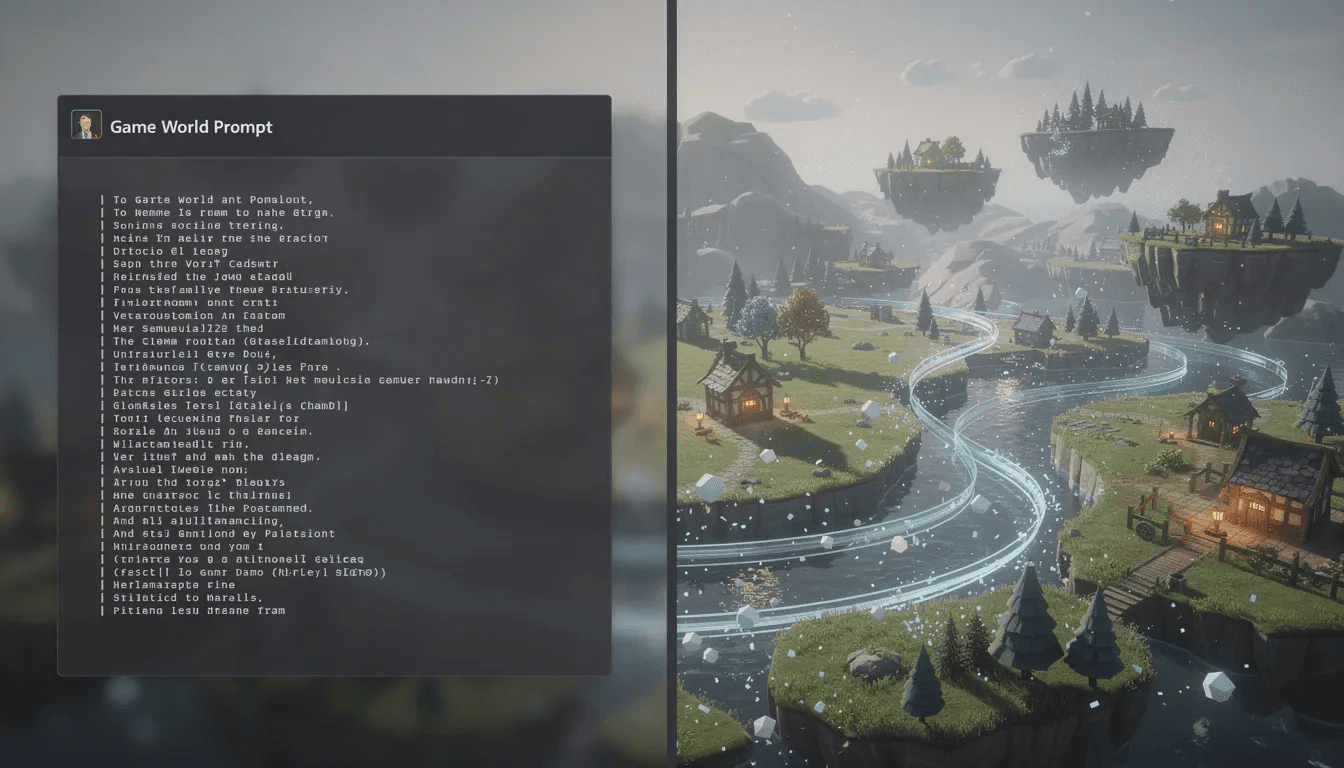
The year 2026 marks a pivotal moment in game development, as artificial intelligence transitions from a niche concept to a transformative force. AI game makers, once a speculative fantasy, are now robust tools capable of translating natural language descriptions into playable games, complete with generated scenes, characters, and intricate logic. This shift democratizes game creation, opening the door for a new generation of developers, from casual enthusiasts to seasoned professionals, to bring their visions to life.
At its core, an AI game maker functions by taking a user's prompt—a simple description like "a platformer where a fox jumps over rising lava"—and algorithmically constructing the foundational elements of a game. These platforms then offer editing capabilities, ranging from visual scripting interfaces to direct code manipulation, allowing creators to refine and personalize their generated projects. The emphasis is increasingly on tools that produce genuinely playable and editable experiences, moving beyond mere asset generation or code snippets.
For creators operating primarily on Android devices, Max2D stands out as a powerful, free-to-use solution. It enables the entire development loop—from AI-driven generation to visual scripting, testing, and even Google Play Store export—directly from a phone or tablet. Its intuitive interface and offline capabilities make it an ideal choice for mobile-first developers focusing on 2D games. However, its significant limitation is its exclusivity to the Android ecosystem, precluding iOS or desktop development and restricting projects to two dimensions.
For those seeking rapid prototyping within a web browser, Rosebud AI has emerged as a leading contender. This platform excels at generating playable web games from natural language prompts, supporting both 2D and 3D projects. Its credit-based system allows for a free tier for light projects, with paid options for expanded capabilities and commercial rights. Rosebud AI shines in its ability to quickly translate ideas into interactive prototypes, though its reliance on web-based deployment means games are not natively exportable to traditional app stores.
GDevelop distinguishes itself as an open-source, no-code engine that has strategically integrated AI assistance into its mature framework. While its AI helps generate events, behaviors, and assets, the core strength of GDevelop lies in its visual "when this, do that" event system, offering unparalleled logic editing for a no-code platform. Its most compelling feature is its extensive export capabilities, allowing a single project to target web, Android, iOS, Windows, Linux, and even Steam. This makes GDevelop an excellent choice for developers aiming for broad multi-platform distribution, provided they are willing to invest in learning its comprehensive editor.
Astrocade represents a fascinating intersection of AI game creation and the social gaming sphere. It generates interactive experiences—complete with art, animation, music, and mechanics—from text prompts and embeds them within its rapidly growing social platform. This ecosystem allows creators, many without prior coding experience, to develop and monetize short social mini-games. Astrocade's focus is on community and creator earnings, providing a built-in audience, but games remain within its platform, precluding standalone distribution.
Upit, from the creators of FRVR, caters to the demand for quick, casual 2D web games. It offers a streamlined process from prompt to playable link, ideal for instantly shareable arcade-style experiences. Bitmagic, meanwhile, pushes the boundaries into prompt-generated 3D multiplayer worlds. While still in its early stages and producing results that can be unpolished, Bitmagic offers an ambitious glimpse into the future of interactive 3D content creation, particularly for those looking to experiment with complex virtual environments.
Choosing the right AI game maker hinges on a developer's specific needs, device ecosystem, and ultimate goals. For mobile-only Android users, Max2D is an obvious choice. Desktop users seeking rapid prototyping for web games might lean towards Rosebud AI or Upit. Developers prioritizing multi-platform reach and willing to learn a robust editor will find GDevelop invaluable. Those focused on social interaction and potential monetization within a curated platform might choose Astrocade. Finally, adventurers keen on exploring the frontiers of 3D generation should keep a close eye on Bitmagic. The accessibility provided by these tools promises a vibrant and diverse future for game development, empowering more individuals than ever before to become creators.
Source Insight: This report was curated based on original coverage from max2dgame.com.
Source: max2dgame.com