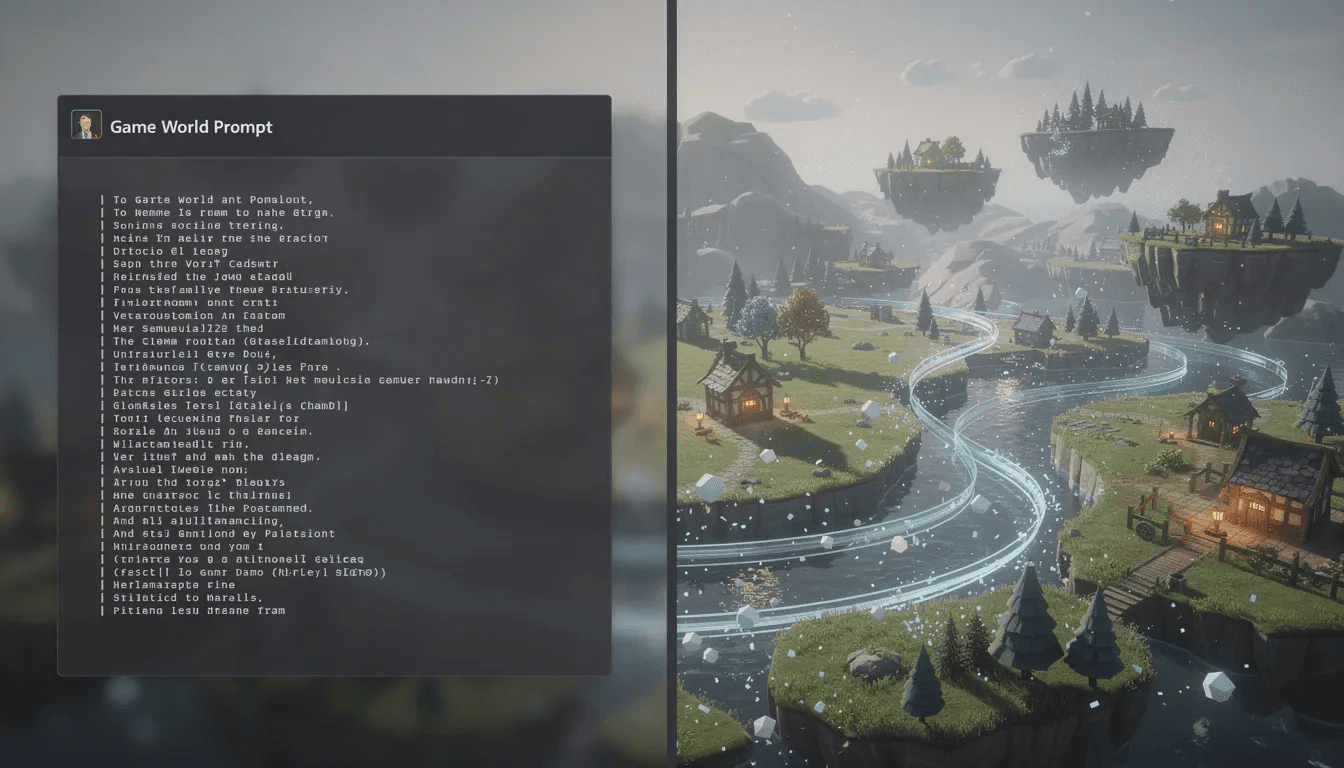
The landscape of game development is undergoing a profound transformation, with 2026 emerging as a landmark year. No longer solely the domain of large engineering teams and multi-million-dollar budgets, game creation is now accessible to a vastly broader audience. A new generation of AI game generators has arrived, capable of translating simple text prompts—such as "a top-down dungeon crawler with pixel art"—into functional, playable prototypes within minutes. This seismic shift is democratizing the design process, inviting a wave of fresh talent and innovative concepts into the industry.
The Rise of Intelligent Design Tools
This evolution is not merely incremental; it represents a fundamental change in how games are conceived and brought to life. These advanced AI tools are effectively bridging the gap between imagination and execution, eliminating the traditional barriers of extensive coding knowledge or complex engine mastery. The promise is clear: to enable anyone, from seasoned indie developers to complete novices, to materialize their game ideas with unprecedented speed and efficiency.
Rigorous Evaluation and Key Findings
To truly understand the impact and efficacy of these tools, a comprehensive evaluation was undertaken. Over 40 hours were dedicated to hands-on testing of 26 distinct AI generators, encompassing a diverse array of game genres. This included everything from classic 2D platformers and intricate RPG prototypes to immersive narrative games and agile mobile mockups. The assessment focused on crucial metrics: the quality of the output, the ease of use for creators, and critically, their performance for users with zero prior coding experience.
Benchmarking the Best in Class
The in-depth analysis yielded clear leaders across various categories. For those primarily concerned with visual assets, tools like Scenario and Meshy stood out for their capabilities. When considering an all-encompassing solution for text-to-game generation that requires no coding, Rosebud AI emerged as the top contender. For budget-conscious creators, AI Dungeon proved invaluable for narrative-focused games, while Leonardo.ai excelled in generating free assets. Newcomers and those just embarking on their game creation journey would find Rosebud AI or Ludo.ai particularly accommodating.
Democratizing Game Development
The implications of these advancements are far-reaching. Historically, the technical hurdles associated with game development have often stifled creativity, limiting entry to those with specialized skills. AI game generators are dismantling these barriers, fostering an environment where a compelling idea can take precedence over technical prowess. This shift could lead to a dramatic increase in unique and diverse gaming experiences, reflecting a broader spectrum of creative voices.
Impact on Indie Developers and Industry Trends
For indie developers, these tools offer a significant advantage, drastically reducing development cycles and allowing for rapid iteration of concepts. This agility is crucial in a competitive market, enabling smaller studios to compete more effectively with larger entities. Beyond individual creators, the widespread adoption of AI in game generation signals a broader industry trend towards automation and assisted creativity. This trend will likely reshape team structures, development pipelines, and even the very definition of what constitutes a 'game developer'.
The Future of Game Prototyping and Conceptualization
One of the most exciting aspects is the potential for rapid prototyping. Designers can now quickly test and visualize game mechanics, art styles, and narrative flows without significant upfront investment. This iterative process allows for faster refinement and a more robust understanding of a game's potential before committing substantial resources. It transforms conceptualization from an abstract exercise into a tangible, interactive experience.
Psychological and Creative Freedom
The psychological impact on creators cannot be overstated. The reduction of technical friction empowers designers to focus on core creativity, narrative, and player experience, rather than getting bogged down in coding intricacies. This creative freedom can lead to more innovative game designs and a greater willingness to experiment with unconventional ideas. It fosters a playful, exploratory approach to game creation, encouraging designers to push the boundaries of what's possible.
A New Era of Accessibility
In essence, 2026 is poised to be the year that game development truly opens its doors to everyone. These AI generators are not just tools; they are catalysts for creativity, enabling a new generation of game makers to bring their visions to life, irrespective of their technical background. The future of gaming promises to be richer, more diverse, and more imaginative, all thanks to the intelligent assistance now at our fingertips.
Source Insight: This report was curated based on original coverage from theaisurf.com.