
AI• 6 min read
The Algorithmic Canvas: How AI-Driven Procedural Generation is Redefining Virtual Worlds
AI-driven procedural generation is revolutionizing game development, crafting dynamic, personalized virtual worlds.
ALTERED BRILLIANCE IS LIVE.ALTERED BRILLIANCE IS LIVE ON GOOGLE PLAY.Read the product story →
AI-driven procedural generation is revolutionizing game development, crafting dynamic, personalized virtual worlds.
The landscape of interactive entertainment is undergoing a profound transformation, largely driven by the sophisticated integration of Artificial Intelligence into game development. At the forefront of this evolution is procedural generation, a powerful paradigm that allows for the algorithmic creation of game content. This isn't merely about random generation; it's about intelligent design governed by complex AI techniques, leading to game worlds that are not only vast and varied but also deeply responsive to player actions and preferences.
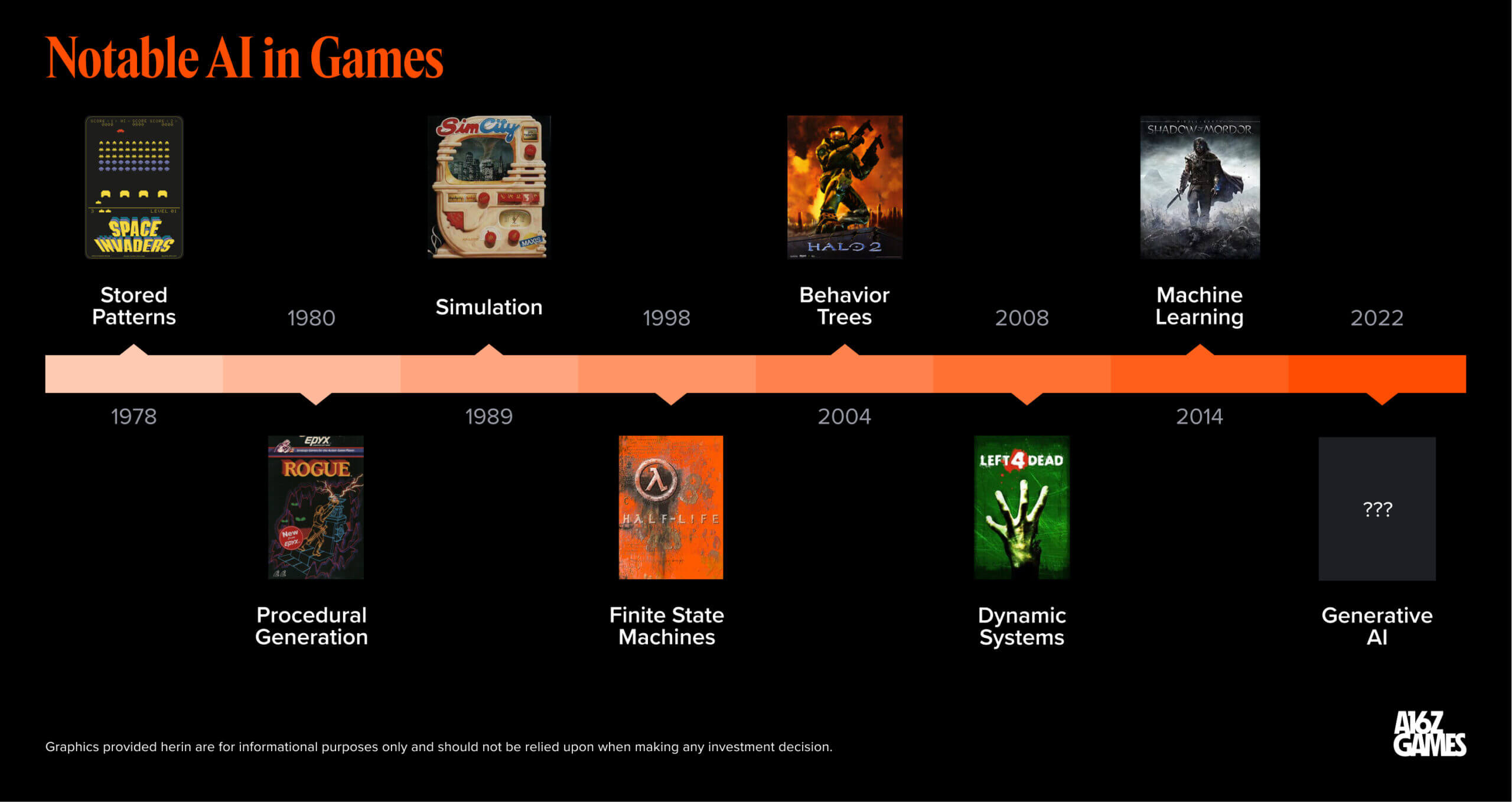
At its heart, procedural generation employs sophisticated algorithms to dynamically construct virtually every element of a game. This encompasses sprawling landscapes, intricate level designs, and a myriad of in-game assets. By leveraging AI, developers can imbue these generated elements with a level of diversity and complexity that would be prohibitively time-consuming and resource-intensive to create manually. This capability dramatically enhances scalability, enabling the creation of truly expansive virtual universes that can adapt and evolve in real-time based on player interaction. Key components like AI-driven terrain modeling for diverse geographies, algorithmic asset creation for unique objects, and procedural level design ensure a fresh experience with each playthrough.
The importance of procedural generation in contemporary game development cannot be overstated. It directly addresses critical challenges such as the demand for ever-larger and more diverse game worlds, the need for resource efficiency, and the desire for personalized player experiences. By automating content creation, development cycles are streamlined, allowing creative teams to focus on refining core gameplay mechanics and narrative depth rather than the laborious task of asset production. This efficiency translates into tangible benefits: reduced production costs, faster iteration, and the ability to maintain player engagement through continuous, seamless content updates, a crucial aspect for the thriving live-service game market.
The sophistication of modern procedural generation is directly attributable to advancements in AI. Various techniques are employed to achieve dynamic and intelligent content creation.
Machine learning forms a foundational pillar, utilizing data-driven algorithms to synthesize game elements. Supervised learning models can be trained on existing art assets or level designs to generate new content that adheres to specific stylistic guidelines. Conversely, unsupervised learning excels at discovering latent patterns within data, leading to the creation of unexpectedly diverse and novel environments. Furthermore, reinforcement learning offers a dynamic feedback loop, allowing generation algorithms to adapt and optimize content based on player behavior, thereby ensuring continuous engagement and relevance.
Neural networks are instrumental in modeling the intricate patterns and relationships inherent in game data. Convolutional Neural Networks (CNNs) are adept at generating highly detailed textures and realistic terrains by understanding spatial hierarchies within visual data. Recurrent Neural Networks (RNNs), with their capacity to process sequential information, are increasingly used to craft adaptive storylines and nuanced character behaviors. Perhaps most exciting are Generative Adversarial Networks (GANs), which employ a competitive framework between two neural networks to produce remarkably high-quality and original assets, pushing the boundaries of what auto-generated content can achieve.
Inspired by natural selection, evolutionary algorithms enable game content to evolve over time. Genetic algorithms, for instance, can generate a vast array of unique environments by combining, mutating, and selecting for desirable terrain features. Similarly, genetic programming can iteratively refine gameplay mechanics, evolving more engaging and balanced challenges. These adaptive algorithms ensure that game worlds remain fresh, challenging, and intrinsically balanced, continually keeping players on their toes.
The practical applications of AI-driven procedural generation are widespread, touching nearly every facet of game development.
In level design, AI algorithms can automate the creation of expansive and varied game levels. These systems can analyze player movement, combat preferences, and exploration patterns to generate environments that adapt in real-time, offering personalized challenges and pathways. Imagine dungeons that reconfigure themselves based on your playstyle or open worlds that dynamically populate with points of interest tailored to your historical in-game actions. This level of responsiveness creates an unparalleled sense of immersion and replayability, moving beyond static, pre-designed experiences to truly living, breathing virtual spaces.
As AI continues its rapid advancement, the capabilities of procedural generation will undoubtedly expand further, promising an era of even more intricate, personalized, and virtually limitless gaming adventures for players across the globe. The algorithmic canvas is just beginning to be explored, and its potential to reshape interactive narratives is immense.
Source Insight: This report was curated based on original coverage from yetiai.com.
Source: yetiai.com