
News• 6 min read
Navigating the Evolving Landscape of Gaming Acquisitions: A Deep Dive into Industry Consolidation
The gaming industry is experiencing unprecedented consolidation through mergers and acquisitions.
ALTERED BRILLIANCE IS LIVE.ALTERED BRILLIANCE IS LIVE ON GOOGLE PLAY.Read the product story →
The gaming industry is experiencing unprecedented consolidation through mergers and acquisitions.
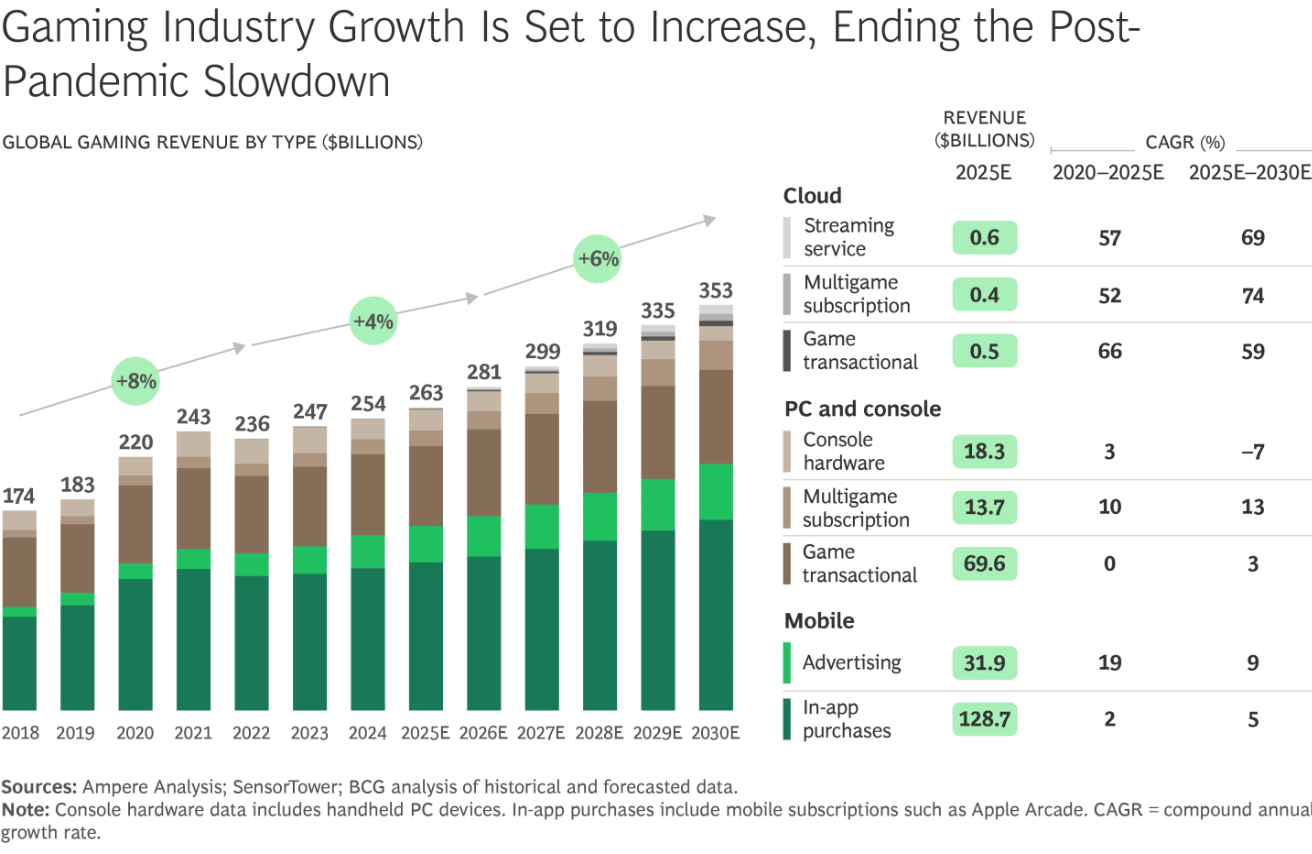
The gaming industry, a dynamic and ever-expanding ecosystem, is currently in a phase of significant consolidation. Mergers and acquisitions (M&A) have become a recurring headline, reflecting a strategic imperative for companies to broaden their portfolios, extend their reach, and secure a stronger foothold in an increasingly competitive market. The sheer scale of these deals, particularly in recent years, underscores the immense profitability and growth potential that industry outsiders and established giants alike perceive in interactive entertainment.
Publishers frequently acquire developers with a proven track record of creating successful titles, not merely to expand their catalog, but to integrate creative talent, proprietary technology, and established intellectual properties. This strategy aims to foster innovation, streamline development pipelines, and ultimately, produce more hit games. Concurrently, non-endemic entities are aggressively entering the market, often viewing studio acquisitions as the most direct route to tapping into the industry's burgeoning revenue streams. The confluence of these factors has propelled the M&A landscape to record-breaking valuations and increased deal volumes.
Recent years have seen an explosion in the total value of announced deals, with 2022 notably surpassing previous records. This surge is largely attributed to several mega-acquisitions that redefined the industry's financial benchmarks. These transactions are not just about financial muscle; they are about strategic foresight, capturing market share, and adapting to new paradigms in gaming, such as the rise of live-service models, mobile dominance, and multi-platform accessibility.
Electronic Arts' acquisition of Glu Mobile for $2.4 billion in April 2021 highlights the strategic importance of the mobile gaming sector. Glu Mobile, known for titles like Kim Kardashian: Hollywood and Diner Dash Adventures, brought a robust portfolio of more than 15 games and a significant daily active user base. For EA, this acquisition was a clear move to bolster its mobile presence and expand its global player reach, signaling a continued commitment to this lucrative segment of the market.
Microsoft's $2.5 billion acquisition of Mojang Studios in 2014 was a pivotal moment. The Swedish developer behind Minecraft, one of the best-selling video games of all time with over 200 million units sold, offered Microsoft access to a vast and loyal player base. Crucially, this deal allowed Microsoft to tap into revenue streams and user engagement across numerous non-Microsoft platforms, demonstrating a forward-thinking approach to ecosystem expansion beyond its proprietary hardware.
Embracer Group, a Swedish holding company known for its aggressive acquisition strategy, secured French digital board game publisher Asmodee for $3.1 billion in December 2021. Asmodee, a leader in both digital and tabletop board games with renowned IPs such as Catan and Ticket to Ride, significantly expanded Embracer's diverse portfolio. This acquisition exemplifies a trend of consolidating not just video game developers, but also adjacent entertainment sectors, highlighting a broader strategy to dominate various facets of interactive and leisure content.
Sony's $3.6 billion acquisition of Bungie in January 2022 was a bold statement regarding its intent to strengthen its live-service game capabilities. Bungie, the renowned developer of Halo and Destiny, brings unparalleled expertise in creating and sustaining large, ongoing game worlds. This move is critical for Sony as it seeks to diversify its offerings beyond traditional single-player console exclusives, embracing the long-term engagement and recurring revenue potential of live-service titles.
Chinese internet technology giant ByteDance, through its subsidiary Nuverse, acquired Moonton for an estimated $4 billion in March 2021. Moonton, based in Shanghai, is best known for the immensely popular Mobile Legends: Bang Bang. This acquisition was a strategic maneuver by ByteDance to significantly enhance Nuverse's global footprint in the mobile games industry, leveraging Moonton's expertise in developing and operating highly successful international mobile titles, particularly in the competitive MOBA genre.
The acquisition of Scopely for $4.9 billion by Saudi Arabian firm Savvy Games Group in April 2023 underscores the increasing influence of new global players in the gaming sector. Scopely, a mobile gaming specialist behind titles like Marvel Strike Force and Stumble Guys, represents a significant investment as part of Saudi Arabia's broader economic diversification efforts. This deal highlights a growing trend where national entities are leveraging gaming acquisitions as a means of economic expansion and public image enhancement, marking a new chapter in the industry's financial landscape.
Source Insight: This report was curated based on original coverage from pocketgamer.biz.
Source: pocketgamer.biz