
Gaming Psychology• 8 min read
Navigating the Digital Nexus: Gaming, Discord, and Mental Well-being
As online gaming platforms like Discord become central to modern life, understanding their dual impact on mental health is crucial.
ALTERED BRILLIANCE IS LIVE.ALTERED BRILLIANCE IS LIVE ON GOOGLE PLAY.Read the product story →
As online gaming platforms like Discord become central to modern life, understanding their dual impact on mental health is crucial.
The pervasive nature of online gaming has irrevocably reshaped social landscapes, with platforms such as Discord emerging as quintessential digital gathering spaces for millions globally. While the allure of interactive entertainment and robust social connections is undeniable, the burgeoning discourse around gaming's influence on mental well-being demands critical attention. Emerging research consistently highlights a nuanced duality: gaming can profoundly enhance psychological states, yet it also carries potential risks, underscoring the imperative for mindful engagement.
Discord, as a titan in online communication for gamers, has proactively acknowledged its responsibility in nurturing mental health within its vast community. Strategic alliances with nonprofit organizations signal a commendable commitment to understanding how gaming servers can be architected to cultivate genuine connectedness and provide vital support systems. This forward-thinking approach by Discord reflects a broader industry awakening—a recognition that these digital ecosystems possess immense potential to serve as invaluable conduits for social support and emotional expression, particularly for those who might otherwise feel isolated.
As the interactive entertainment sector continues its rapid evolution, striking an equilibrium between immersive enjoyment and holistic mental health considerations is paramount. Developers and platform operators are increasingly integrating features designed to encourage healthy gaming habits and furnish accessible resources for users navigating personal struggles. This proactive stance aims to foster a more inclusive, supportive, and ultimately healthier environment for players across all demographics.
Video gaming’s relationship with mental health is multifaceted and complex. While numerous players report significant benefits such as mood elevation, stress reduction, and the forging of meaningful social bonds, the landscape is not without its shadows. Games often provide a fertile ground for cultivating a sense of achievement and mastery, which can substantially bolster self-esteem.
Conversely, unchecked or excessive engagement can precipitate detrimental outcomes, including sleep disturbances, profound social isolation, and the neglect of real-world responsibilities. For a subset of individuals, gaming can escalate into problematic habits that impinge upon daily functioning. Nevertheless, dedicated gaming communities, particularly those thriving on platforms like Discord, frequently serve as crucial support networks, enabling individuals to connect over shared passions and engage in candid discussions about mental health.
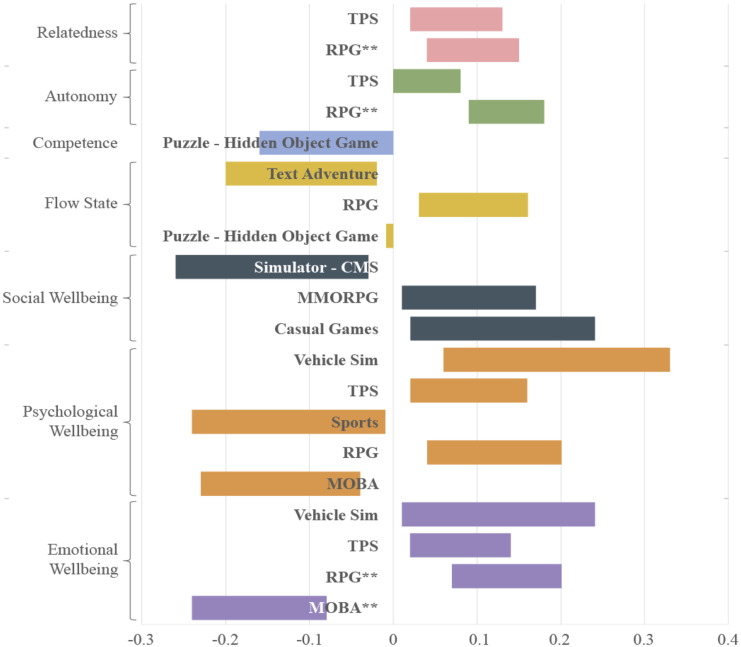
Empirical studies consistently illuminate the positive cognitive and emotional dividends of gaming. Players often exhibit improvements in cognitive agility, problem-solving capabilities, and emotional regulation. Multiplayer experiences, in particular, are potent incubators for social connections and teamwork, often providing a vital coping mechanism during periods of adversity. For many, gaming offers a welcome respite from negative thought patterns and instills a valuable sense of control. Research suggests that moderate gaming can effectively reduce stress and anxiety, elevate mood, and strengthen social support networks. However, these benefits are contingent upon judicious gaming habits, the specific genres consumed, and individual predispositions. The adage of moderation remains the cornerstone of a balanced engagement.
The diagnostic landscape of mental health evolved significantly in 2018 when the World Health Organization formally recognized Gaming Disorder as a legitimate health condition. This classification applies to individuals who exhibit severely impaired control over their gaming behaviors, prioritizing gaming above all other life activities, and persisting in such behaviors despite clear negative ramifications. Symptoms may include a pervasive preoccupation with gaming, withdrawal symptoms in its absence, an escalating need for more gaming time, persistent unsuccessful attempts to curtail gaming, and a marked diminishment of interest in other pursuits.
It is crucial to underscore that Gaming Disorder affects a comparatively small fraction of the gaming population. The vast majority of players navigate their gaming experiences in a healthy and balanced manner. Nonetheless, for those at risk, early intervention and robust support systems are instrumental in mitigating potential issues.
Online gaming has fundamentally recalibrated the dynamics of social interaction, creating expansive virtual arenas for connection and community building. These digital ecosystems transcend geographical barriers, offering unparalleled opportunities for socialization, relationship cultivation, and the establishment of potent support networks. Features such as voice chat and instant messaging facilitate real-time communication, fostering a profound sense of presence and shared experience. Guilds and clans within titles like World of Warcraft exemplify these social structures, often mirroring real-world communal organizations complete with intricate hierarchies and collective objectives.
Multiplayer games are particularly adept at generating shared experiences that can deepen existing relationships and forge entirely new ones. From the competitive fervor of League of Legends to the collaborative demands of It Takes Two, these games necessitate teamwork, communication, and mutual problem-solving, thereby strengthening interpersonal bonds. Beyond individual titles, broader gaming communities on platforms like Discord and Reddit serve as vibrant hubs for strategic discussions, shared narratives, and mutual advice, frequently extending into personal spheres of support.
While online gaming communities present unique mental health challenges, they also harbor immense potential for positive intervention and support. Many communities actively focus on mental health advocacy, recognizing gaming's capacity as a coping mechanism. They organize events, disseminate resources, and create safe spaces for members grappling with conditions such as depression, anxiety, or social isolation. The burgeoning esports scene and associated streaming communities further amplify these social layers, cultivating connections among fans united by a shared passion for competitive play and content creation. The evolving dialogue around gaming and mental health continues to emphasize both the intrinsic benefits and the collective responsibility to foster environments of well-being and support within these digital realms.
Source Insight: This report was curated based on original coverage from ourmental.health.
Source: ourmental.health