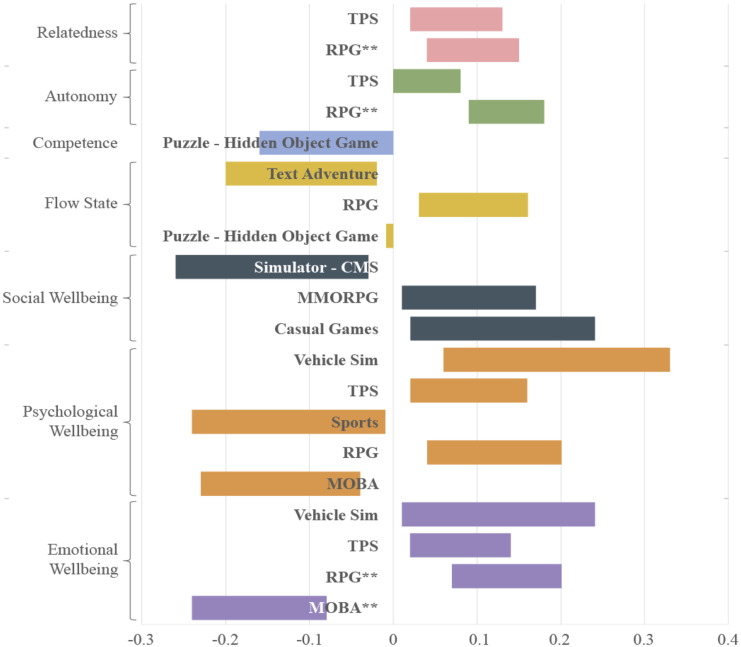
The pervasive integration of digital technology into the lives of young people has sparked extensive debate regarding its impact on well-being. A comprehensive analysis reveals that the relationship between screen time and mental health is far more nuanced than often portrayed, with both significant benefits and considerable risks depending on how these tools are utilized.
The Dual Nature of Digital Engagement
Research consistently indicates that digital technology is neither inherently good nor bad; its effects are largely contingent on the activity itself and the duration of engagement. While extremely high levels of screen time are indeed linked to poorer mental well-being, interestingly, very low levels can also correlate with negative outcomes. This suggests a 'Goldilocks' zone in the middle, where screen use has no direct connection to well-being, highlighting that moderation and context are key.
Beyond the Clock: What Matters Most
The qualitative aspect of screen engagement often outweighs the quantitative. For instance, video games are shown to foster cognitive development, encourage social connections, and aid in identity formation. Similarly, social networks can expand social circles, deepen existing friendships, and maintain ties with distant loved ones. The internet, in its broader sense, serves as a powerful platform for exploring new interests, connecting with mentors, and receiving feedback on creative endeavors, all of which can significantly contribute to a young person's development and sense of belonging.
The Shadow Side: Digital Detriments
Despite the potential for positive outcomes, digital engagement carries inherent risks. A primary concern is its impact on sleep quality and quantity. Notifications frequently disrupt adolescent sleep, leading to both reduced and poorer rest, which can affect overall mental wellness and critical brain development. Furthermore, digital environments can expose young people to negative experiences such as cyberbullying or contribute to unhealthy body image perceptions. The absence of non-verbal cues in digital communication can also hinder emotional regulation skills, and some youth may use screens as a maladaptive coping mechanism to escape difficult situations.
Vulnerable Youth: Amplified Impacts
The effects of screen use are often magnified for vulnerable children, manifesting as both heightened risks and greater potential for positive impact. Teens already struggling with mental well-being are more susceptible to feelings of inadequacy stemming from social media validation, or exclusion after viewing peers' posts. Paradoxically, these same individuals often report that social media has an overall positive effect on them, enhancing self-esteem and reducing feelings of depression. This dichotomy underscores the critical need for involved parental guidance to help vulnerable youth navigate digital spaces, maximizing benefits while mitigating harms.
Identifying Problematic Use
Rather than focusing solely on hours logged, identifying problematic screen use hinges on its impact on other life domains. Key indicators include a loss of interest in previously enjoyed activities, difficulty disengaging from screens, reduced time with family and friends, emotional distress when screen access is denied, or using screens as the sole source of comfort. These behavioral patterns signal a need for intervention and re-evaluation of digital habits.
The Youth Perspective: A Balanced View
Young people themselves offer a balanced view, generally perceiving screen use as more positive than negative. They highlight its role in alleviating loneliness, fostering new friendships, maintaining relationships, and connecting them to vital support services. However, they are also acutely aware of potential downsides, with many acknowledging excessive time spent on phones, social media, and video games. This self-awareness extends to parental screen habits, with many teens noting parental distraction by devices during conversations, leading to calls for parents to model responsible digital behavior and respect their children's digital privacy.
Fostering Digital Wellness
The conversation around screen time must evolve from mere restriction to one of mindful integration and digital literacy. Understanding the specific activities and contexts of screen use is paramount. For parents, this means fostering open dialogue, modeling healthy digital habits, and actively participating in their children's online lives. For young people, it involves developing the critical skills to navigate digital environments safely and constructively, recognizing both the power and pitfalls of their connected world. Ultimately, the goal is to cultivate a relationship with technology that supports overall well-being, rather than detracting from it.
Source Insight: This report was curated based on original coverage from mediasmarts.ca.