The intersection of videogames and mental health has long been a subject of evolving discourse. While often stereotyped as mere entertainment or even a detriment to well-being, a growing body of research, and increasingly, practical applications, are redefining this perception. A significant development in this space comes from Link Campus University in Rome, where a psychological support service is harnessing the power of gaming within a biopsychosocial framework to enhance student mental health and academic success.
The Biopsychosocial Nexus of Gaming and Wellbeing
Health Psychology, a field dedicated to understanding the intricate interplay of psychological, biological, and social factors in health, is increasingly recognizing videogaming as a potent influence. Far from being a uniform entity, the impact of videogames is profoundly shaped by context, content, individual motivation, and usage patterns. When engaged with thoughtfully and in moderation, gaming can serve as a psychological, behavioral, and social asset, fostering emotional regulation, cognitive function, and social connection.
Pioneering Integrated Counseling at Link Campus University
Launched in 2025 as part of the Wave Pro-ben project, Link Campus University's initiative targets students facing a range of academic, emotional, and relational challenges. This service aims to promote psychological wellbeing, prevent distress, and nurture personal growth, ultimately mitigating dropout risks and supporting academic achievement. What distinguishes this program is its innovative integration of videogames into traditional counseling. By employing methods inspired by Video Game Therapy® (VGT®), the service seeks to create structured opportunities for emotional recognition, cognitive engagement, and social-skill development.
Bridging the Gap: Engaging Students Through Play
One of the most compelling aspects of this approach is its potential to overcome barriers to access. Many students might hesitate to seek traditional psychological support due to stigma or skepticism. By embedding games into the counseling process, the program offers a more approachable and perhaps less intimidating avenue for engagement. The confidential and free nature of the service further ensures equitable access to vital mental health resources in higher education.
Unpacking the Research: Benefits Beyond the Screen
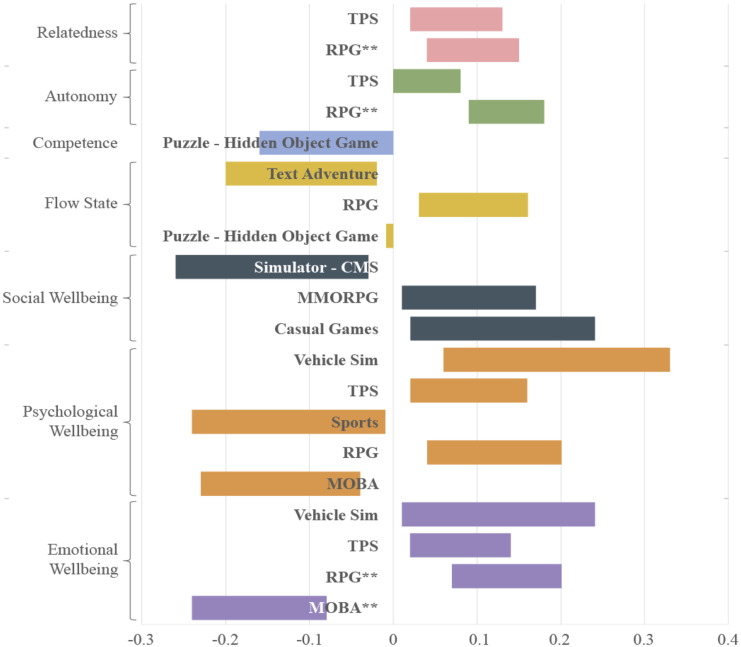
The academic literature increasingly supports the potential benefits of gaming. A comprehensive review by Johnson et al. (2013) challenged negative narratives, revealing that moderate gaming can correlate with higher self-esteem, optimism, resilience, and stress reduction in adolescents and young adults. Specifically, multiplayer and online role-playing games were found to cultivate significant social capital and supportive relationships.
Expanding on this, Kolivand et al. (2022) reviewed decades of research, acknowledging concerns about excessive play but highlighting substantial cognitive and psychosocial benefits. Adolescents gained motivation, problem-solving abilities, and digital literacy, while adults found games to be stress relievers and social connectors. The developmental stage of engagement was identified as a crucial factor in determining adaptive or maladaptive outcomes.
The Rise of Active Video Games and Mental Health
More recently, Zhao et al. (2024) investigated active video games (AVGs), or exergames, and their impact on college students' mental health. Their synthesis of randomized controlled trials demonstrated that AVGs effectively reduce stress, anxiety, and depression, while simultaneously boosting happiness, psychological satisfaction, and sleep quality. These games also fostered motivation for physical activity, bridging the gap between digital engagement and physical well-being.
A Holistic View: Beyond Preliminary Evidence
While the specific evidence for VGT® remains preliminary, the broader body of research strongly suggests that balanced and intentional play can stimulate flow states, allowing individuals to process emotions, revisit experiences, and develop adaptive coping strategies. This conceptual and programmatic case study from Link Campus University, though not yet presenting effectiveness data, lays a crucial groundwork. It meticulously outlines the theoretical rationale, institutional context, and operational elements, providing a framework for future empirical evaluation.
The Future of Gaming in Mental Health
This initiative underscores a paradigm shift: from viewing videogames solely as a recreational pursuit to recognizing them as versatile tools with significant potential in health promotion and psychological intervention. By embracing a biopsychosocial perspective, institutions like Link Campus University are paving the way for more integrated, accessible, and engaging mental health support systems, particularly for a demographic deeply immersed in digital culture. The ongoing evaluation of such programs will be critical in solidifying the role of gaming as a therapeutic and developmental resource.
Source Insight: This report was curated based on original coverage from frontiersin.org.