Vibe Coding• 6 min read
Vibe Coding: The Dawn of AI-Driven App Creation for Everyone
Vibe coding, a revolutionary AI-driven approach, is democratizing app development.
Official canonical publication: krizek.tech
ALTERED BRILLIANCE IS LIVE ON GOOGLE PLAY. Read the product story →
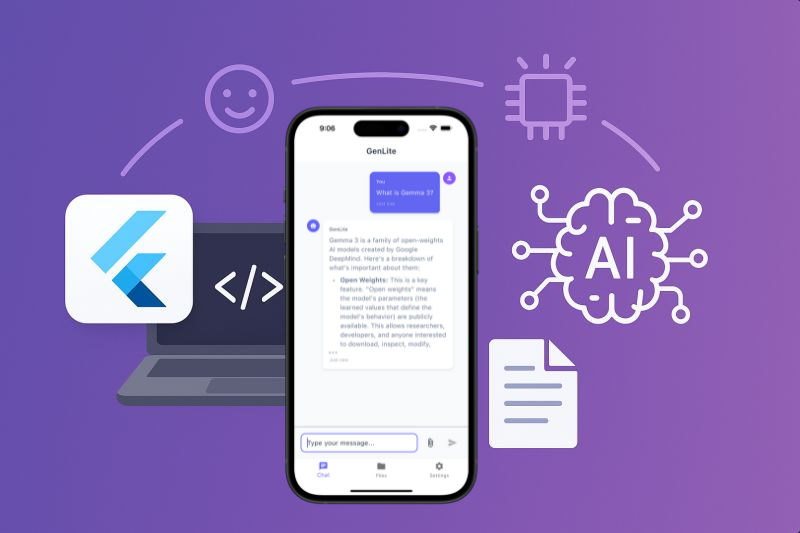
Vibe coding, a revolutionary AI-driven approach, is democratizing app development.
Official canonical publication: krizek.tech
The landscape of software development is undergoing a profound transformation, ushering in an era where the barriers to entry are rapidly diminishing. At the heart of this revolution is "vibe coding," a concept introduced by Andrej Karpathy, which promises to turn imaginative concepts into functional applications in mere hours, all without requiring a single line of traditional code. This paradigm shift is fundamentally reshaping who can build software, making app creation accessible to virtually anyone with an idea.
Vibe coding fundamentally redefines the relationship between human intent and software execution. Instead of meticulously crafting code, users now articulate their project vision to an AI in plain English. Tools like *Replit*, *Lovable*, and *Bolt.new* act as intelligent collaborators, interpreting these natural language prompts and generating the necessary technical infrastructure. This intuitive interaction transforms app development into a conversational process, akin to guiding a highly skilled virtual assistant.
The implications of vibe coding for innovation are staggering. Reports from 2025 indicate that as many as 25% of Y Combinator startups are already leveraging AI to generate the majority of their code. This integration has resulted in a staggering 55% reduction in development time compared to conventional methodologies. For aspiring entrepreneurs and creative individuals without a programming background, this means the ability to rapidly prototype, iterate, and launch Minimum Viable Products (MVPs), accelerating the pace at which new ideas can be brought to market.
The most significant contribution of vibe coding is its democratizing effect on software creation. It empowers individuals who previously lacked the specialized skills to become app developers. Platforms like *Replit* and *Lovable* are specifically designed to prioritize plain language inputs and conversational prompts, making the process welcoming for complete novices. This accessibility means that the power to build and innovate is no longer confined to a select group of coders but is distributed more broadly across the population.
The genesis of vibe coding can be traced to the rapid advancements in AI-powered code generation throughout the 2020s. Traditional development workflows, often demanding extensive knowledge of multiple programming languages and months of effort, presented a significant hurdle. Vibe coding streamlines this by abstracting away the complexities of syntax and logic. Instead, the developer’s role evolves into an architect of intent, guiding the AI to materialize their vision. This evolution has fostered a new ecosystem where both experienced programmers and absolute beginners can effectively build and refine projects through conversational interfaces.
In practice, the vibe coding process is remarkably straightforward, even for beginners. It typically commences with a clear articulation of the app's purpose or desired functionality in natural language. The AI then interprets these instructions, generating the foundational code and structural elements. Users can then interactively refine and iterate on the initial output, providing feedback and additional instructions to shape the application to their precise specifications. The AI continuously adjusts the code, often suggesting improvements and handling debugging, until the desired outcome is achieved. The final step involves deploying the now-functional application.
For those new to app creation, the vibe coding workflow is designed to be highly intuitive. It often begins by outlining the core concept or 'vibe' of the desired app. This might involve describing its features, target audience, and overall aesthetic. Next, users engage in a conversational dialogue with the AI, providing iterative feedback and making adjustments. As the AI generates components, users can preview and test them in real-time, allowing for immediate course correction. This agile, feedback-driven loop ensures that the final product closely aligns with the initial vision. The final stage involves publishing the app, making it available to others.
Vibe coding is not merely a transient trend; it represents a fundamental shift in how software will be conceptualized and produced. It heralds a future where the ability to create digital tools is as ubiquitous as literacy, empowering a new generation of innovators to bypass traditional technical hurdles. The focus shifts from the minutiae of coding to the broader stroke of creative problem-solving and strategic vision. This evolution is poised to unlock unprecedented levels of creativity and accelerate technological progress across all sectors, making the dream of turning an idea into a functional application an everyday reality.
The continued evolution of AI-driven development, including advanced natural language programming, promises to make the process even more seamless and powerful. As these technologies mature, we can anticipate a future where the line between ideation and implementation blurs further, enabling creators to focus almost exclusively on the 'what' and 'why' of their applications, while the AI expertly handles the 'how.' This will foster an environment ripe for innovation, where the speed from concept to execution is measured in minutes, truly making app development a universal skill.
Source Insight: This report was curated based on original coverage from nucamp.co.
Source: nucamp.co