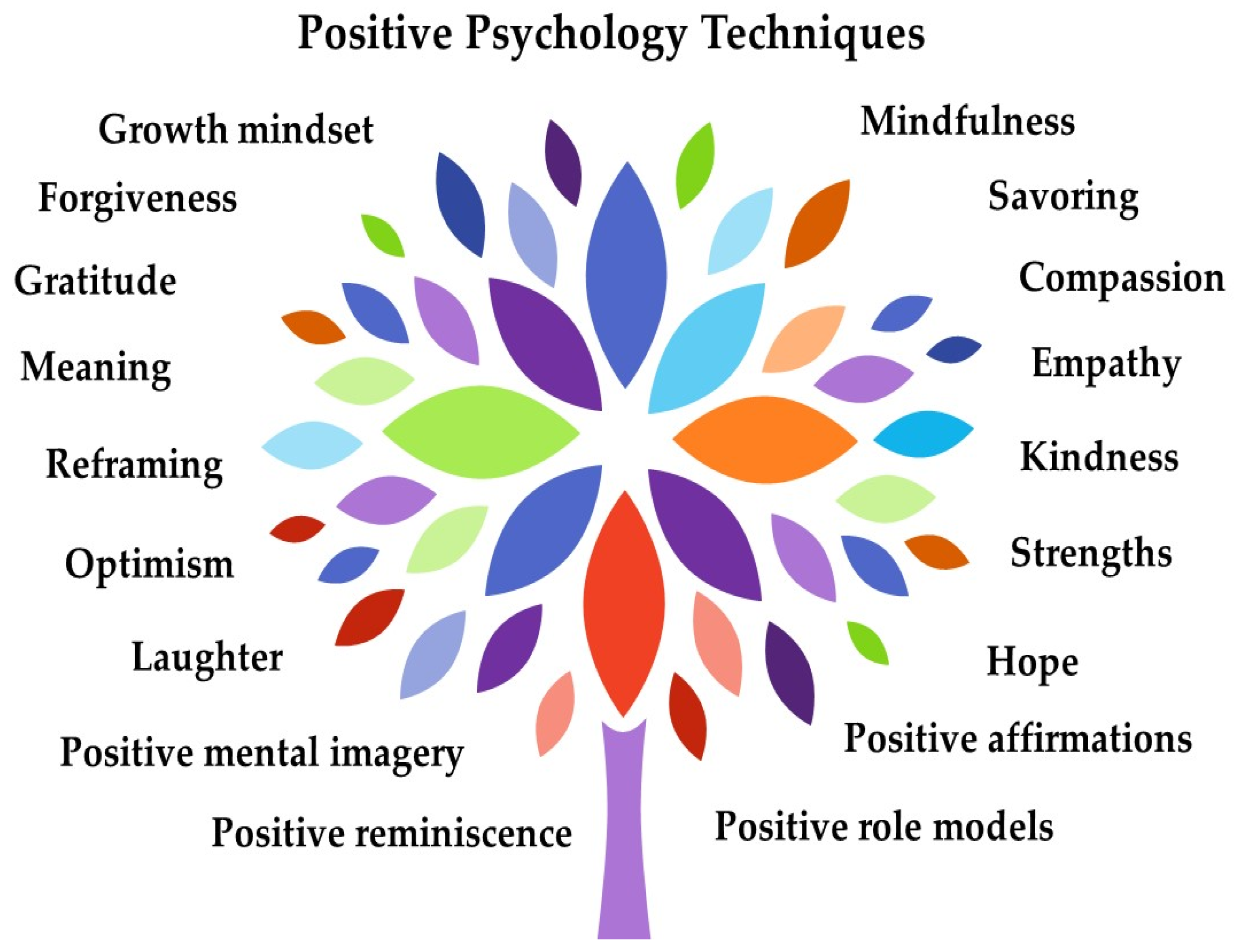
The realm of video games has long been viewed through a narrow lens, often relegated to the sphere of mere entertainment or, at worst, a source of societal ills. However, a groundbreaking examination, *Video Games and Well-being: Press Start*, challenges these preconceived notions, positioning digital play as a potent tool for psychological growth and enhanced well-being. This comprehensive analysis delves into the intricate ways game design, narrative structures, and player interaction foster critical skills and psychological states beneficial to individuals.
Digital Games and Hedonic Well-Being
The book begins by exploring the concept of hedonic well-being within gaming. This aspect primarily concerns the pleasure and enjoyment derived from playing. Games are expertly crafted to provide immediate gratification, moments of triumph, and engaging experiences that contribute to a player's sense of happiness and satisfaction. The sheer joy of overcoming a challenging boss or unlocking a new ability are prime examples of how games tap into our innate desire for positive emotional states, offering a consistent source of delight and escapism from daily stressors.
Eudaimonic Well-Being and Psychological Need Satisfaction
Beyond fleeting pleasure, the study significantly emphasizes eudaimonic well-being, a deeper, more profound sense of fulfillment derived from pursuing meaning and self-realization. Video games, through their sophisticated mechanics and narratives, frequently engage players in activities that align with this concept. They offer opportunities for psychological need satisfaction, particularly in areas such as autonomy (making choices), competence (mastering skills), and relatedness (forming connections with others). This satisfaction is not accidental but is often meticulously designed into the game's core loop, fostering a sense of purpose and achievement that resonates far beyond the screen.
Identity Development Through Play
A particularly compelling section of the analysis examines identity development. Character customization, narrative choices, and role-playing elements within games provide a safe and expressive environment for players to explore various facets of their identity. The digital avatars become extensions of self, allowing for experimentation with traits, appearances, and roles that might be unattainable or intimidating in real life. This process of *in-game identity exploration* can serve as a powerful mirror, reflecting and shaping self-perception and self-expression in tangible ways.
Cultivating a Growth Mindset and Resilience
Video games are also instrumental in cultivating a growth mindset. The iterative nature of gameplay, where failure is not a setback but an opportunity for learning and adaptation, mirrors the real-world process of skill acquisition. Players are consistently challenged to *seek out and embrace performance feedback*, adjust strategies, and persist through difficulties, thereby fostering resilience. This continuous cycle of challenge, failure, learning, and eventual mastery instills an invaluable perspective on problem-solving and personal development.
Mindfulness and Flow States in Gaming
The book delves into the fascinating intersection of gaming with concepts like mindfulness and flow. Many games, with their clear goals, immediate feedback, and progressively challenging structures, are perfectly designed to induce a flow state – a state of complete immersion and focused concentration. This deeply engaging experience can be akin to mindful meditation, where players are fully present in the moment, reducing anxiety and enhancing cognitive performance. The ability of games to provide concrete goals and rules, coupled with clear feedback, effectively teaches players to be more mindful, even if unconsciously.
The Hero's Journey and Psychological Growth
Further reinforcing the profound impact of gaming, the analysis draws parallels between common game narratives and Joseph Campbell's *Hero's Journey*. Many games structure their progression around this archetypal quest, where players embark on transformative journeys, overcome adversity, and ultimately return changed. This narrative framework not only provides a compelling story but also psychologically resonates with our innate human desire for growth, transformation, and purpose. The challenges faced, skills acquired, and avatars developed all contribute to a sense of personal epic, translating into real-world psychological benefits.
Gaming as a Catalyst for Positive Psychology
Ultimately, *Video Games and Well-being: Press Start* positions gaming as a significant catalyst for positive psychology. By examining how game mechanics and narratives can teach players skills associated with increased psychological well-being, the book advocates for a paradigm shift in how we perceive interactive entertainment. It moves beyond simplistic views to reveal a rich tapestry of experiences that foster personality development, resilience, identity formation, and the cultivation of crucial cognitive and emotional strengths.
Conclusion
This authoritative work underscores that video games are far more than just leisure activities; they are complex systems capable of nurturing deeply impactful psychological development. As the industry continues to evolve, understanding and leveraging these intrinsic psychological benefits becomes paramount, further solidifying games' role not just in entertainment, but in personal and collective well-being.
Source Insight: This report was curated based on original coverage from dokumen.pub.