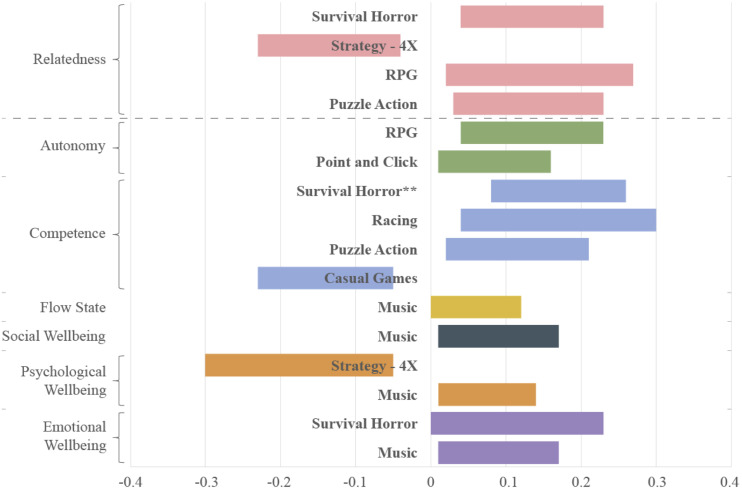
The realm of online gaming has long been a subject of both fascination and scrutiny, often stereotyped for its potential negative impacts. However, a foundational study published in the *Turkish Online Journal of Educational Technology* in 2011 by Yu-Tzu Chiang, Sunny S. J. Lin, Chao-yang Cheng, and Eric Zhi-Feng Liu, offers a compelling counter-narrative. This research meticulously explored the psychological states experienced by online game players, revealing that these digital worlds are remarkably adept at fostering flow experiences and positive affect.
The Elusive State of Flow
At the heart of this inquiry is the concept of 'flow,' a term coined by psychologist Mihaly Csikszentmihalyi. Flow describes a mental state in which an individual performing an activity is fully immersed in a feeling of energized focus, full involvement, and enjoyment in the process of the activity. It is characterized by complete absorption in what one does, a loss of self-consciousness, and a distorted sense of time. The study from 2011 explicitly indicates that online games are powerful conduits for achieving this deeply engaging and satisfying state, transcending the superficial perception of gaming as mere distraction.
Cultivating Positive Affect
Beyond just immersion, the research highlights gaming's capacity to evoke positive affect—a term referring to the experience of pleasurable emotions. This finding is crucial, as it positions online games not just as sources of entertainment, but as platforms that can genuinely contribute to emotional well-being. This positive emotional outcome appears to be a direct consequence of the intrinsic rewards and challenges inherent in well-designed online games, leading to feelings of accomplishment, joy, and satisfaction.
Dispelling Aggression Myths
Perhaps one of the most significant contributions of this study, and one that resonates with ongoing debates, is its assertion regarding the nature of game content. The authors indicate that whether a game is of a violent or nonviolent type, it "may not arouse players’ aggression." This challenges a long-standing, often sensationalized, assumption that violent game content directly translates into aggressive behavior in players. Instead, the focus shifts to the psychological mechanisms of engagement and reward, which appear to operate independently of the game's thematic elements.
Broader Implications for Gaming and Well-being
The insights from this seminal paper have spurred further investigation into the positive psychology of gaming. Subsequent research, such as a 2018 study on *Flow experience in computer game playing among Thai university students*, has echoed these findings, noting both the benefits and drawbacks of flow but largely recommending the promotion of cognitive flow for self-improvement. Another work from 2013, *Framing Online Games Positively: Entertainment and Engagement through ‘Mindful Loss’ of Flow*, further explores how online gaming platforms can foster emancipatory experiences through their interactive and self-organizing nature.
The Evolution of Flow Research in Gaming
The conversation around flow has also evolved to consider different gaming contexts. A 2016 study on *Exploring flow experiences in cooperative digital gaming contexts* by L. Kaye, for instance, found that while flow might be lower in cooperative versus solo gaming, post-gameplay mood remained consistent. This suggests that the benefits of flow extend across various play styles, and points to the complex interplay between individual immersion and social interaction within games.
Flow as a Design Imperative
For game developers, understanding the mechanics of flow is paramount. The ability to design experiences that consistently induce this state is a key driver of player loyalty and engagement. Research like *When feeling positive is being “in the zone”: How challenge optimality causes changes in positive affect and flow* (2024) continues to refine our understanding of how optimal challenge levels are critical for triggering positive affect and, consequently, flow. This ongoing scientific inquiry ensures that game design can be an intentional art, crafting immersive experiences that are not only entertaining but also psychologically enriching.
A Holistic View of Gaming
Ultimately, this body of research encourages a more nuanced and evidence-based understanding of online gaming. Rather than dismissing it as a trivial pastime or a source of negative influence, it highlights gaming's profound capacity to provide engaging, emotionally rewarding, and psychologically beneficial experiences. The enduring pursuit of flow and positive affect within virtual worlds underscores the sophisticated psychological mechanisms at play, positioning online games as significant contributors to modern well-being and personal development. This perspective invites us to recognize gaming's potential as a powerful tool for engagement and emotional upliftment in an increasingly digital world.
Source Insight: This report was curated based on original coverage from semanticscholar.org.