The concept of a flow state, often colloquially termed "being in the zone," represents a profound psychological condition where an individual is fully immersed and deeply focused on an activity. This state transcends ordinary concentration, leading to a sense of fluidity between mind and body, where time perception shifts, and external distractions fade into insignificance. While popularized by positive psychologists Mihaly Csikszentmihalyi and Jeanne Nakamura, the experience itself is universal, manifesting in diverse activities from athletic endeavors and creative pursuits to complex problem-solving and even routine tasks. Its accessibility across various domains makes it a compelling subject for anyone seeking to enhance their performance and well-being.
The Genesis of Flow
Csikszentmihalyi's seminal research, which involved interviewing high-performing individuals across disparate fields—including mountain climbers, chess grandmasters, surgeons, and ballet dancers—revealed a common thread: an intense, almost ecstatic focus that led to clarity and immediate feedback. He articulated that the best moments in life are not passive but rather occur when an individual's capabilities are stretched to their limits in a voluntary, worthwhile effort. This inherent challenge, combined with an individual's passion and skill, sets the stage for flow. The human mind, capable of processing approximately 120 bits of information per second, dedicates its full capacity during such challenging and engaging activities, often resulting in feelings of exhilaration and fulfillment.
The Core Components of Immersion
To enter a flow state, several conditions typically converge. Foremost is a clear set of goals and immediate feedback, allowing for continuous adjustment and a sense of progress. The activity must also present an optimal balance between challenge and skill; if it's too easy, boredom ensues, and if too difficult, anxiety takes over. Crucially, the individual must possess an intrinsic motivation and a deep interest in the task. When these elements align, the mind's usual chatter—inhibitions, fatigue, or self-doubt—recedes, replaced by a singular, undistracted focus. This profound immersion allows for actions and awareness to synchronize, fostering an effortless momentum.
Flow, Mindfulness, and Meditation
The relationship between flow states and practices like mindfulness and meditation is symbiotic. Mindfulness, defined as the quality of being present and fully engaged without judgment, actively cultivates the mental conditions conducive to flow. Meditation, as a practice, trains the mind to focus, observe distractions without succumbing to them, and consistently return attention to a chosen object. This disciplined mental training directly enhances one's ability to achieve and sustain the deep concentration required for flow. In essence, a flow state can be viewed as an incredibly active and dynamic form of meditation, where presence and focus merge with purposeful action.
Psychological and Performance Benefits
The advantages of regularly experiencing flow states extend far beyond mere task completion. Individuals consistently report heightened productivity and a superior quality of work, as the absence of distraction allows for optimal cognitive function. Beyond performance, flow significantly contributes to psychological well-being. The deep absorption inherent in flow often leads to a reduction in stress, worry, and self-doubt. It fosters an intrinsically positive experience, driven not by external rewards but by the sheer pleasure of engagement and mastery. This results in a more profound and lasting sense of happiness and fulfillment, moving beyond fleeting gratification to cultivate a genuine sense of purpose and contentment.
Flow in the Gaming Landscape
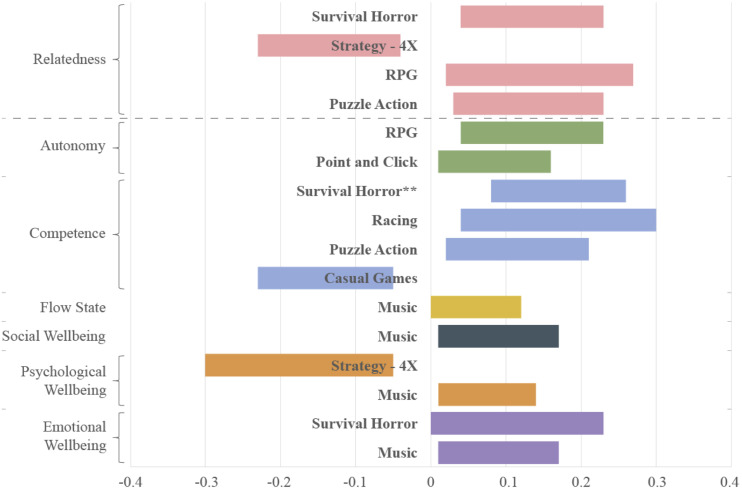
In the realm of gaming, the concept of flow is particularly salient. Gamers frequently describe "being in the zone" during intense gameplay, where reflexes, strategy, and environmental awareness coalesce into a seamless experience. The carefully designed challenges, immediate feedback loops, and immersive worlds of video games often provide an ideal environment for inducing flow. This explains the deep engagement and satisfaction many players derive, as games effectively leverage the principles Csikszentmihalyi identified to create highly rewarding and mentally stimulating experiences. Understanding and intentionally cultivating flow, therefore, can significantly enhance a gamer's performance and overall enjoyment.
Cultivating Your Own Flow
For those aspiring to integrate more flow into their lives, whether in gaming or other pursuits, several strategies prove effective. Begin by identifying activities that genuinely captivate your interest and offer an appropriate level of challenge. Eliminate distractions by creating a conducive environment. Practice mindfulness to sharpen your focus and reduce mental clutter. Set clear, achievable goals that provide a sense of direction and allow for incremental progress. By consciously structuring your activities and honing your mental discipline, you can unlock the transformative power of flow, leading to not only enhanced performance but also a richer, more engaged, and ultimately happier existence.
The Enduring Impact of Immersion
The enduring relevance of flow state lies in its capacity to transform ordinary tasks into extraordinary experiences. It highlights that true satisfaction often arises not from passive leisure, but from active engagement and the voluntary stretching of one's capacities. As we navigate an increasingly complex and distracting world, the ability to achieve such profound states of immersion becomes an invaluable skill. Embracing the principles of flow offers a pathway to not just better productivity, but to a deeper, more meaningful connection with our actions and an enduring sense of well-being. The journey into flow is a journey into our most capable and contented selves.
Source Insight: This report was curated based on original coverage from headspace.com.