Gaming Psychology• 5 min read
The Therapeutic Power of Play How Games Cultivate Mental Well-being
Explore the profound impact of games—from video games to board games—on mental health.
Official canonical publication: krizek.tech
ALTERED BRILLIANCE IS LIVE ON GOOGLE PLAY. Read the product story →

Explore the profound impact of games—from video games to board games—on mental health.
Official canonical publication: krizek.tech
In an increasingly demanding world, the quest for mental well-being often leads us to unexpected avenues. Among these, the realm of games stands out as a powerful, yet frequently underestimated, tool for cultivating a flourishing mind. Far beyond mere diversion, engaging in various forms of play—be it strategic board games, immersive video games, or competitive sports—offers a rich tapestry of benefits that profoundly impact our psychological health.
One of the most immediate and tangible benefits of gameplay is its capacity for stress reduction and mood enhancement. The act of immersing oneself in a game triggers the release of endorphins, the body's natural mood-boosting chemicals. This neurochemical response effectively mitigates feelings of anxiety and tension, providing a vital respite from daily pressures. Whether navigating a virtual landscape or engaging in a physical sport, games create an 'escape' that allows individuals to disengage from stressors and enter a state of focused enjoyment.
Beyond emotional relief, games are potent catalysts for cognitive stimulation. Extensive research highlights their role in sharpening the mind. *Video games*, in particular, have been shown to improve problem-solving skills, enhance spatial awareness, and significantly increase attention spans. Similarly, traditional games demanding strategic foresight, such as *chess* or various puzzle formats, contribute to maintaining cognitive abilities, offering a proactive defense against age-related cognitive decline.
Many gaming experiences are inherently social, providing invaluable opportunities for social interaction and community building. *Multiplayer video games* and *group board games* facilitate connections with friends, family, and even new acquaintances who share common interests. These collaborative or competitive engagements combat feelings of loneliness and cultivate a sense of belonging, which is particularly crucial for individuals who may struggle with social integration in other contexts.
Games are miniature ecosystems of challenge and triumph. They frequently present obstacles that necessitate perseverance and strategic thinking. Overcoming a difficult level in a *video game* or executing a winning strategy in a *board game* instills a profound sense of achievement. This process not only boosts self-confidence but also cultivates resilience. Learning to navigate setbacks and failures within a low-stakes gaming environment develops a growth mindset and adaptability that translates effectively into real-world scenarios.
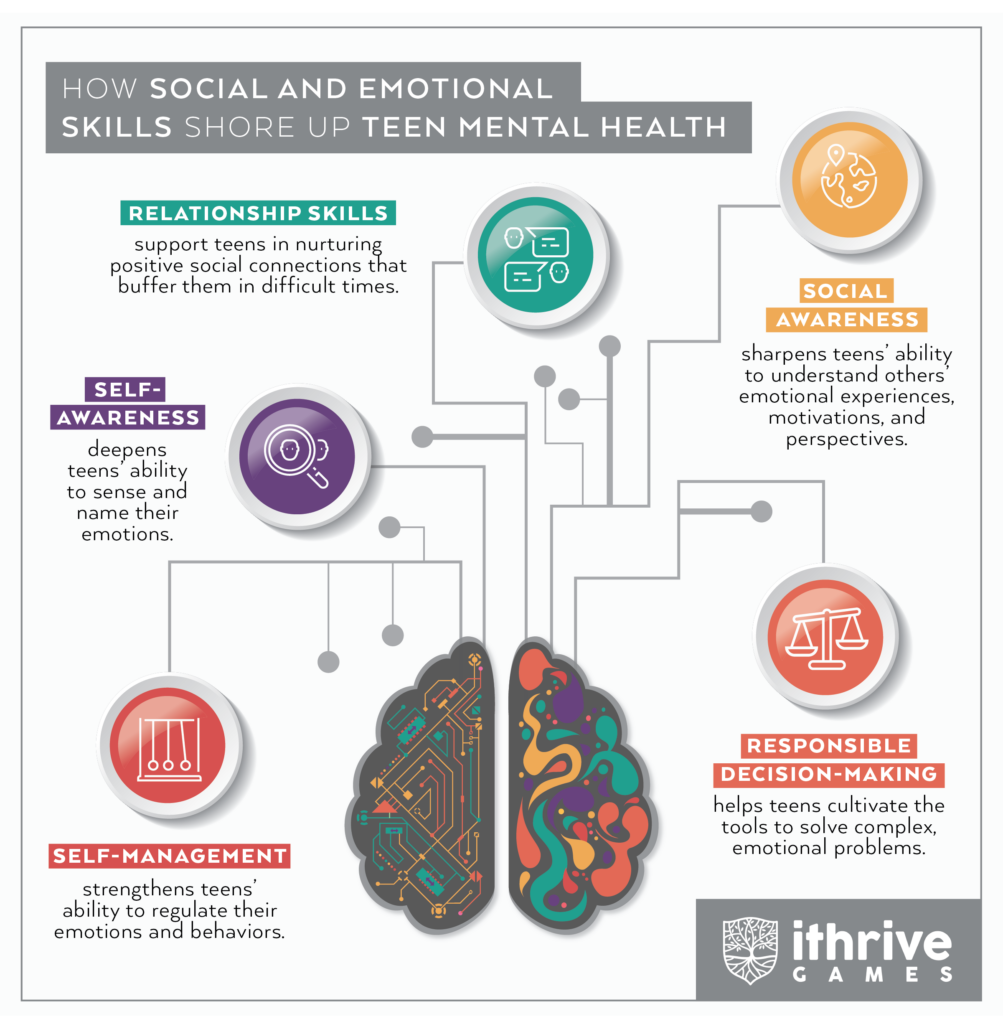
Certain game genres, such as *role-playing games (RPGs)*, offer unique platforms for emotional regulation and expression. By assuming different characters and immersing themselves in diverse narratives, players can explore complex emotions and experiences in a safe, controlled setting. This vicarious exploration provides insights into one's own emotional landscape and aids in developing healthier coping mechanisms. Furthermore, cooperative games encourage open communication and emotional sharing among players, strengthening empathy and emotional connections.
The multifaceted benefits of games for mental health are undeniable. From mitigating stress and sharpening cognitive functions to fostering social connections and nurturing emotional intelligence, play is an indispensable tool for holistic well-being. However, the key lies in mindful engagement. It is crucial to strike a balance, ensuring that gaming remains a positive and enriching activity rather than an excessive distraction. By thoughtfully integrating games into our lives, we can unlock their considerable potential for relaxation, personal growth, and deeper human connection.
At *Altered Brilliance*, we advocate for a balanced lifestyle that incorporates diverse elements to support mental and emotional health. The power of play, as illuminated by current research and clinical observations, is a vital component of this approach. Embracing games as a legitimate means of self-care can significantly contribute to a more harmonious and fulfilling existence, reinforcing the notion that well-being can indeed be found in playful engagement.
Source Insight: This report was curated based on original coverage from fm.clinic.
Source: fm.clinic