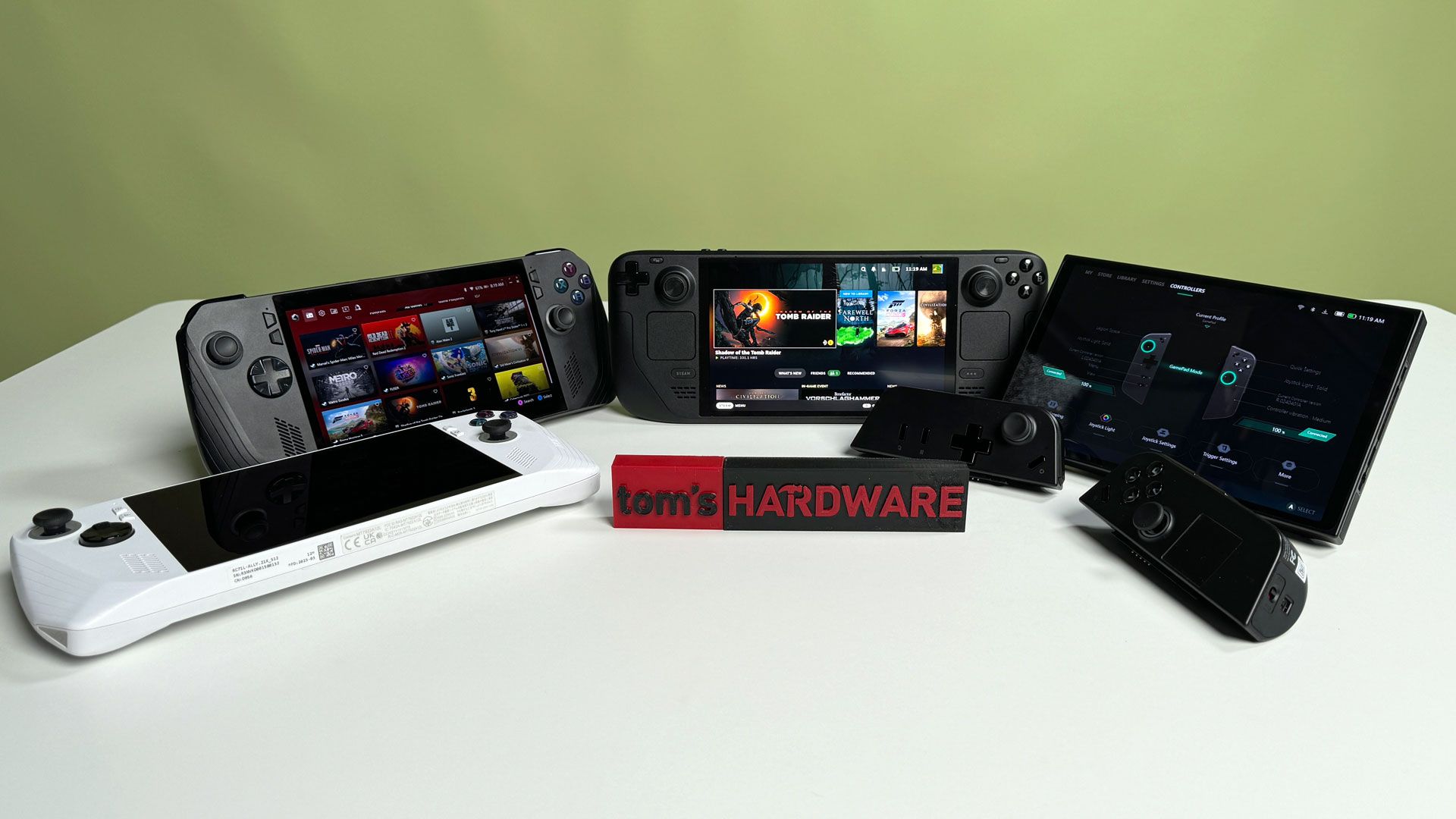
For many, the allure of PC gaming on the go has been a long-cherished dream, a fantasy born from countless hours spent tethered to a desktop rig. The advent of modern handheld gaming PCs promised to bridge this gap, offering a seemingly limitless library of titles in a portable form factor. Yet, despite the initial excitement and innovation that characterized this segment, recent developments suggest that the golden age of accessible handheld PC gaming might be drawing to a close.
The Dream Realized and Revisited
Historically, handheld gaming systems carved out their niche by embracing limitations, offering unique experiences or hardware gimmicks that couldn't be replicated elsewhere. The modern handheld PC, however, aimed to transcend these boundaries, promising the fidelity and expansive libraries of desktop gaming in a device you could take anywhere. This vision, for a time, captivated enthusiasts and offered a genuinely transformative gaming experience, allowing players to dive into titles like *Magical Princess* or build intricate worlds in *Shanty Town* on their commutes or during travels.
Escalating Costs and Market Dynamics
The current landscape, however, is being reshaped by a significant challenge: rising costs. A recent analysis highlighted a startling shift in value perception, noting that even a high-end device like the Asus ROG Ally X, with its powerful AMD Ryzen Z2 Extreme chip, 24 GB of RAM, and 1 TB SSD, is now considered a "best value" option at around $1,000. While impressive, this price point inherently excludes a large segment of potential buyers.
The Steam Deck's Troubling Trajectory
Perhaps the most telling indicator of this trend comes from Valve's Steam Deck, a device widely hailed as a pioneer in the accessible handheld PC space. Once lauded for its competitive pricing, especially its LCD models, the landscape has drastically changed. The quiet discontinuation of the more affordable LCD Steam Deck models last year marked a critical turning point.
Consumers now looking to acquire a new Steam Deck are left with only the OLED variants, which have seen substantial price increases. The base 512 GB OLED model, for instance, jumped from $549 to $789, while the 1 TB model experienced an almost 50% surge, escalating from $649 to a daunting $949. This aggressive pricing strategy, driven in part by a broader memory supply crisis, effectively removes the entry-level options that made the Steam Deck so appealing to a wider audience.
The Paradox of Demand
Adding another layer of complexity to this narrative is the peculiar market response: despite the significant price hikes and the Steam Deck's aging internal hardware, both OLED models sold out in North America shortly after the increases were announced in May. This suggests a persistent demand for the form factor, perhaps driven by existing brand loyalty or the lack of truly competitive alternatives at a lower price point.
Broader Industry Implications
The current trajectory of the handheld PC market raises pertinent questions about its future accessibility and overall health. If the entry barrier continues to climb, the segment risks alienating the very demographic it initially sought to empower: those looking for a versatile gaming experience without the premium price tag of a dedicated gaming laptop or high-end desktop. This trend could inadvertently push consumers back towards traditional consoles or even high-performance smartphones, which offer different, but often more affordable, portable gaming solutions.
A Shifting Definition of Value
The concept of "value" in handheld PC gaming is clearly undergoing a significant redefinition. What was once a balance of performance and affordability is now skewing heavily towards the former, with the latter becoming an increasingly elusive quality. For the industry, this means a potential narrowing of the market, focusing on enthusiasts willing to invest significantly, rather than broad consumer appeal.
As the market matures, the challenge for manufacturers will be to innovate not just in raw power, but in finding ways to deliver compelling experiences at price points that don't exclude a substantial portion of their potential audience. Otherwise, the dream of widespread, accessible handheld PC gaming may remain just that—a dream, increasingly out of reach for many.
Source Insight: This report was curated based on original coverage from pcgamer.com.