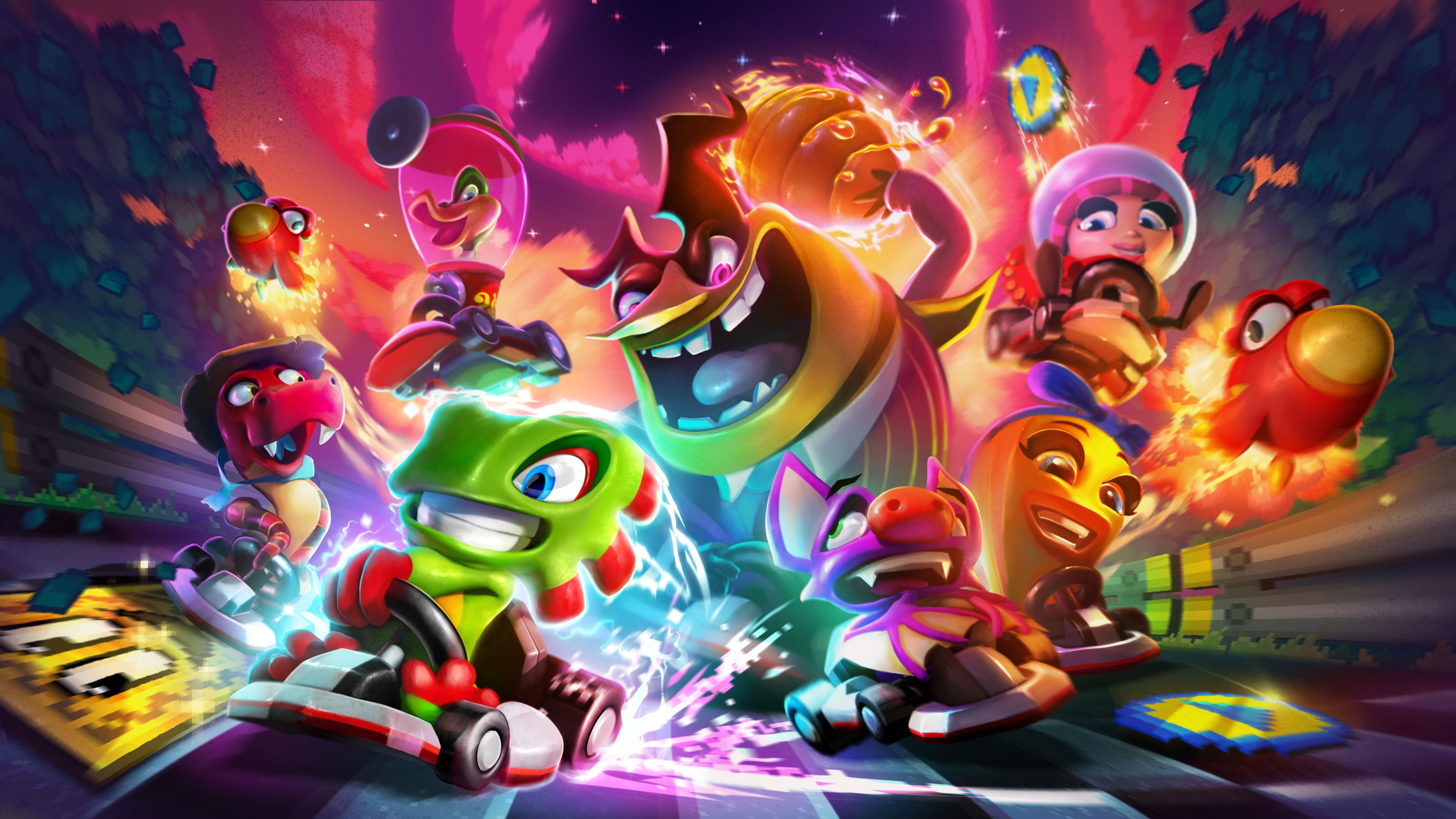
The gaming industry remains a vibrant and often volatile ecosystem, consistently delivering both exhilarating triumphs and sobering realities. This past week has been a microcosm of this dynamic, showcasing a parade of epic reveals, coupled with the inevitable production challenges that lead to delays, alongside significant technological advancements and a persistent undercurrent of community discourse and controversy.
Anticipated Journeys and Grand Reveals
Among the most electrifying news was the long-awaited first official trailer for *Rockstar Games'* Grand Theft Auto VI. Though prematurely leaked, its official debut sent shockwaves through the community. The trailer offered tantalizing glimpses of a meticulously crafted *Vice City*, promising a return to its iconic neon-soaked streets with stunning visual fidelity and a compelling new narrative arc featuring dual protagonists. Slated for a Fall 2025 release, its unveiling has ignited a fervor that underscores the series' monumental impact on popular culture.
*Ubisoft* also captured attention with the release date announcement for *Assassin’s Creed Shadows*. Set against the backdrop of feudal Japan, this iteration promises a rich tapestry of stealth and action, allowing players to embody both the agile shinobi and the formidable samurai. This dual protagonist approach, offering distinct playstyles and storylines, has been met with significant enthusiasm, marking November 15, 2024, as a key date for fans of historical immersion. Not to be outdone, *Sony* teased the gaming world with the reveal of *Marvel’s Spider-Man 3*, projecting a Summer 2026 launch. While details are sparse, the success of its predecessors ensures that this announcement alone was enough to generate immense anticipation for another web-slinging adventure.
Navigating the Tides of Delay and Development
However, the gaming landscape is rarely without its ripples of disappointment. Several high-profile titles announced delays, a common yet frustrating reality in game development. *CD Projekt Red* confirmed that The Witcher 4 would be pushed to 2026. Citing the need for extensive polishing and the integration of ambitious new features, the studio's commitment to quality over speed resonated with many, acknowledging that a refined experience is often worth the wait. Similarly, *Nintendo* addressed the protracted development of Metroid Prime 4, a title that has faced numerous challenges since its 2017 announcement, including a full reboot in 2019. While a new release date remains elusive, the assurance of continued progress offers a glimmer of hope.
*EA* also joined the ranks of delayed releases, postponing Dragon Age: The Veilguard to late 2024. This delay, intended to allow for refinement of the combat system and narrative, highlights the intricate balance developers must strike between meeting expectations and ensuring a polished final product. These postponements, while initially disheartening, often reflect a developer's dedication to delivering a game that lives up to its full potential, prioritizing player experience above all else.
Pushing the Boundaries: Technological Leaps
Amidst these schedule shifts, the industry continues to innovate at a breathtaking pace. *Nvidia* unveiled its new RTX 5000 series graphics cards, promising a significant leap in visual fidelity and performance. These cards, featuring enhanced ray tracing capabilities and improved AI-powered functionalities, underscore the continuous drive towards more realistic and immersive game worlds. While premium hardware, they represent the bleeding edge of gaming technology.
*Microsoft* outlined plans to integrate AI-powered tools into its Xbox Game Studios. These tools aim to streamline development, assisting with intricate tasks such as character animation, level design, and bug fixing. This strategic adoption of AI could redefine game creation, fostering faster development cycles and enabling developers to focus more on creative expression. Complementing this, *Epic Games* showcased updates to its MetaHuman Creator, allowing for the creation of incredibly lifelike digital characters. Improved facial rigging, detailed skin textures, and advanced hair simulation promise to bring unprecedented emotional depth and realism to in-game performances, blurring the lines between the digital and the real.
The Lingering Shadows of Controversy
No week in gaming is complete without confronting the industry's enduring challenges and controversies. *Activision Blizzard* once again faced intensified criticism over ongoing allegations of workplace misconduct, including claims of sexual harassment and a toxic environment. These persistent issues continue to cast a long shadow, prompting calls for greater accountability and systemic change within the company. Meanwhile, *Electronic Arts (EA)* faced renewed scrutiny over its implementation of loot boxes in its sports titles. Critics argue these mechanics border on predatory, exploiting players through randomized rewards and encouraging gambling-like behavior. These incidents highlight the ongoing tension between business practices and ethical considerations, underscoring the industry's need for continuous self-reflection and responsible development.
As we look back at this dynamic week, it's clear that the gaming world is a complex tapestry woven with threads of innovation, anticipation, and the persistent human element of both creation and critique. From groundbreaking reveals to necessary delays, and from technological marvels to ethical debates, the journey of interactive entertainment continues to evolve, promising an ever-richer, albeit sometimes tumultuous, future for players worldwide.
Source Insight: This report was curated based on original coverage from programme.whentheadultschange.com.