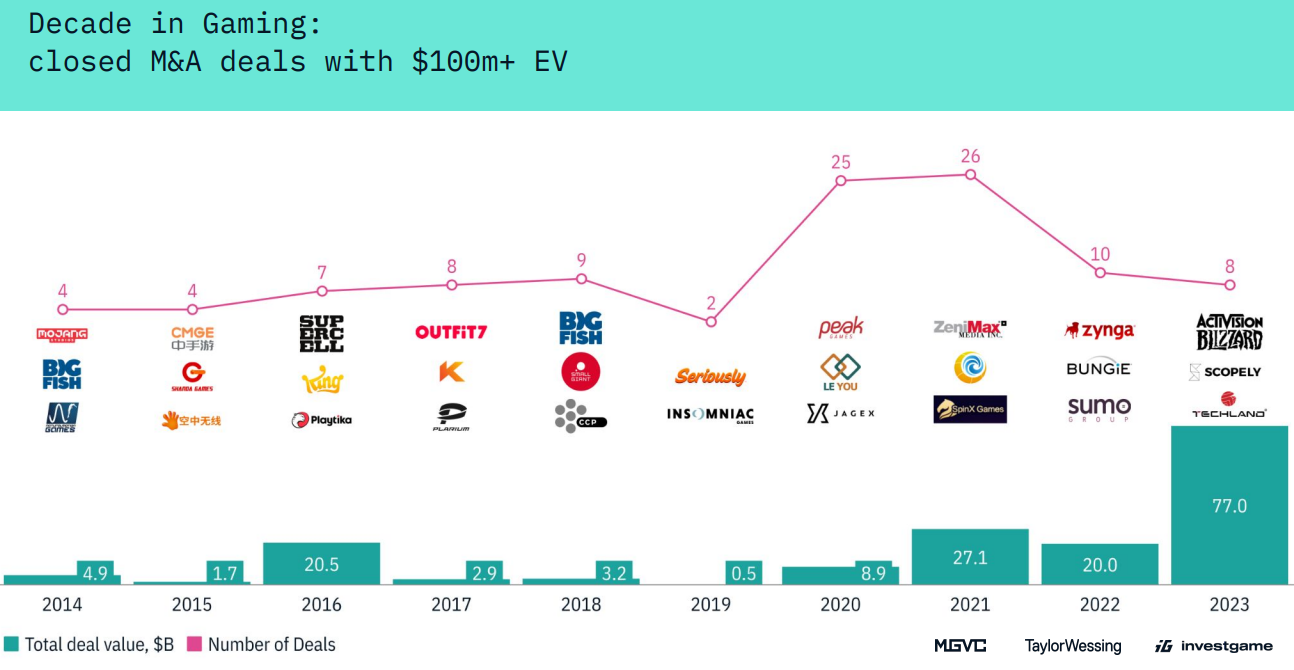
The gaming industry, a vibrant and ever-evolving sector, is poised for a significant surge in mergers and acquisitions (M&A) activities over the next 12 months. This projection follows a third quarter that, while seeing a dip in the sheer volume of deals, recorded substantial financial values, signaling a strategic shift towards high-impact transactions. The implications of this M&A uptick are far-reaching, promising to redefine market leadership, foster new creative alliances, and intensify competition among the industry's titans.
A Resurgent Market for Strategic Investments
According to Michael Metzger, a distinguished partner at Drake Star, a prominent tech M&A investment bank, the quiet spell of Q3, with its two-year low in deal volume, was merely a prelude to a more dynamic period. Drake Star's analysis revealed 33 M&A deals totaling approximately $5 billion between July and September. Crucially, the value of these deals surpassed those recorded in three of the preceding five quarters, indicating a focus on larger, more strategic acquisitions. Furthermore, private investment in the gaming sector saw a healthy increase, nearing $1 billion in Q3, underscoring investor confidence in the industry's long-term growth trajectory.
Key Players and Anticipated Movements
Metzger's insights, drawn from extensive discussions with leading gaming companies, point towards a consistent increase in deal activity. He specifically identifies Sony, Take-Two, Tencent, and Savvy/Scopely as the most likely and active purchasers in the upcoming year. Conversely, Embracer Group is anticipated to divest some of its studios, suggesting a strategic realignment within its diverse portfolio. These predictions highlight an ongoing consolidation trend, where established powerhouses seek to expand their intellectual property portfolios, technological capabilities, and market reach.
The Aftermath of Mega-Deals
The gaming world recently witnessed a monumental transaction with Microsoft's $68.7 billion acquisition of Activision Blizzard, a deal that dramatically reshaped the competitive landscape. This unprecedented move has placed immense pressure on other industry giants to respond. Dr. Serkan Toto, an esteemed industry consultant, believes that Sony, particularly its *PlayStation* division, is now under considerable pressure to execute a major acquisition to counterbalance Microsoft's expanded influence. This competitive arms race in M&A signifies a new era of strategic maneuvering, where control over marquee franchises and development talent becomes paramount.
Concerns Over Industry Consolidation
While M&A can drive innovation and growth, it also raises valid concerns about the long-term health and diversity of the industry. Shawn Layden, the former head of *PlayStation US*, has vocally expressed his apprehension, viewing consolidation as one of the most significant threats to the gaming sector. His concerns resonate with a broader sentiment within the community, highlighting potential risks such as reduced innovation from smaller studios, decreased diversity in game offerings, and the erosion of creative independence. The balance between strategic growth and preserving the vibrant, multifaceted nature of game development remains a critical challenge.
The Pursuit of Exclusivity and Market Share
The impetus behind many of these high-profile acquisitions is often the desire to secure exclusive content and expand market share. In an increasingly competitive landscape, exclusive titles can be powerful differentiators, driving platform adoption and customer loyalty. The ongoing console wars, now further intensified by M&A activities, will likely see companies investing heavily to bolster their exclusive lineups, thereby influencing player choices and shaping future gaming ecosystems. This strategic battle for content directly impacts consumers, offering both the promise of unique experiences and the risk of walled gardens.
Economic Drivers and Future Outlook
Beyond competitive pressures, underlying economic factors are also fueling this M&A trend. The gaming industry continues to demonstrate remarkable resilience and growth, attracting substantial investment from diverse sources. Despite global economic uncertainties, the digital nature of gaming, its broad appeal, and recurring revenue models make it an attractive sector for both strategic and financial investors. The long-term outlook remains bullish, with expectations of continued innovation, expanding audiences, and sustained financial performance, all of which will likely sustain the current M&A momentum.
Impact on Developers and Creativity
For game developers, this period of intense M&A presents both opportunities and challenges. While acquisitions can provide financial stability and access to greater resources, they can also lead to cultural clashes, loss of creative autonomy, and potential studio closures if synergies aren't realized. The mental and creative well-being of developers within newly acquired entities is a growing concern. Striking the right balance between integrating new teams and preserving their unique creative spirit will be crucial for the acquiring companies to truly leverage their investments and foster sustainable innovation.
A New Era of Gaming Economics
In conclusion, the projected increase in gaming M&A signals a significant inflection point for the industry. While driven by competitive necessity and strategic growth ambitions, it also invites crucial discussions about market concentration, creative diversity, and the overall health of the ecosystem. As the landscape continues to consolidate, players, developers, and industry stakeholders will keenly observe how these corporate maneuvers ultimately shape the future of interactive entertainment, balancing the pursuit of dominance with the imperative of fostering a vibrant and innovative creative environment.
Source Insight: This report was curated based on original coverage from videogameschronicle.com.