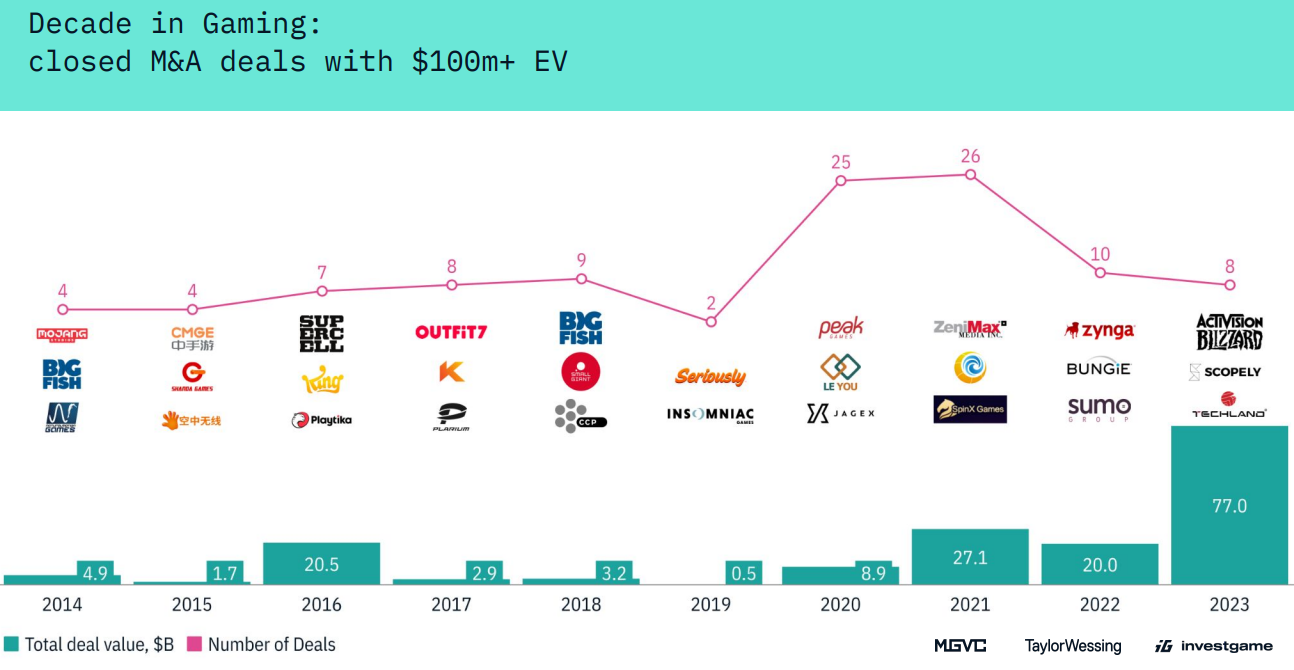
The global video game industry is currently undergoing a transformative period marked by an unprecedented surge in mergers and acquisitions (M&A). This consolidation reflects a maturing market and evolving strategies by key players to secure intellectual property, expand market share, and diversify revenue streams. These strategic moves are not merely financial transactions; they reshape the creative landscape, influence consumer choices, and ultimately define the future trajectory of interactive entertainment.
The Driving Forces Behind Consolidation
Several factors are fueling this M&A frenzy. One primary driver is the intense competition for exclusive content and established franchises. Acquiring successful studios and their beloved IPs allows companies to instantly bolster their portfolios and attract larger audiences. Furthermore, the burgeoning mobile gaming sector and the rise of subscription-based models have incentivized larger entities to integrate smaller, innovative developers capable of pioneering new experiences or capturing specific demographics.
Another significant impetus is the pursuit of technological advantage. As gaming technology advances, encompassing areas like cloud gaming, virtual reality, and artificial intelligence, companies are acquiring firms with specialized expertise to stay at the forefront of innovation. This ensures they possess the necessary tools and talent to develop next-generation gaming experiences.
Impact on Innovation and Player Experience
While M&A can lead to increased efficiency and larger development budgets, potentially fostering more ambitious projects, it also raises questions about innovation and creative diversity. When smaller, independent studios are absorbed by larger corporations, there's a risk of homogenizing creative output. The unique voices and experimental approaches often found in indie development might be stifled under corporate mandates focused on mass appeal and profitability.
From a player perspective, consolidation can lead to both benefits and drawbacks. On one hand, players might gain access to a wider array of games through subscription services that acquire vast libraries. On the other hand, it could lead to reduced competition, potentially influencing pricing models, platform exclusivity, and even the overall quality of games if companies prioritize market dominance over artistic integrity.
The Financial Scale of Gaming M&A
The sheer scale of recent M&A deals underscores the economic might and strategic importance of the video game industry. Transactions valued in the billions of dollars are becoming increasingly common, reflecting the high stakes involved. These valuations are driven not just by current revenue streams but by the projected growth of the industry, particularly in emerging markets and through new monetization strategies.
Analysis of past and projected M&A activity reveals a fluctuating but generally upward trend in both the volume and value of deals. This indicates a sustained interest from investors and established tech giants who recognize gaming as a crucial pillar of the entertainment landscape and a significant area for future growth. The long-term implications of these financial movements are profound, dictating which companies will lead the industry in the coming decades.
Strategic Acquisitions and Market Dynamics
Major players are carefully selecting their acquisition targets, often with a clear strategic vision. This can involve acquiring companies that complement existing product lines, fill gaps in their service offerings, or provide a foothold in new geographical markets. For instance, a company strong in console gaming might acquire a mobile developer to expand its reach, or a publisher might acquire a middleware provider to gain control over crucial development tools.
These strategic maneuvers are constantly reshaping the competitive landscape, creating new alliances and rivalries. The ongoing dance of acquisitions and divestitures is a testament to the dynamic nature of the gaming industry, where adaptability and strategic foresight are paramount for long-term success. Understanding these market dynamics is essential for anyone looking to comprehend the future direction of interactive entertainment.
The Broader Economic Context
The trends observed in video game M&A are not isolated; they often mirror broader economic shifts and technological advancements. The digital transformation across industries, the increasing importance of digital entertainment, and the growing disposable income allocated to leisure activities all contribute to the attractiveness of the gaming sector for investment and consolidation. The resilience of the gaming market, even during economic downturns, further reinforces its status as a robust investment opportunity.
Navigating the Future Landscape
As the industry continues to consolidate, regulatory scrutiny may intensify, particularly regarding antitrust concerns. Balancing the benefits of scale and investment with the need to maintain a competitive and innovative ecosystem will be a critical challenge for regulators and industry leaders alike. The evolution of M&A activity will undoubtedly continue to be a defining characteristic of the video game industry for years to come, profoundly shaping how games are made, distributed, and experienced by players worldwide.
Source Insight: This report was curated based on original coverage from statista.com.