News• 5 min read
The Shifting Landscape of Game Development Employment
The gaming industry, once considered robust, continues to face significant employment challenges.
Official canonical publication: krizek.tech
ALTERED BRILLIANCE IS LIVE ON GOOGLE PLAY. Read the product story →

The gaming industry, once considered robust, continues to face significant employment challenges.
Official canonical publication: krizek.tech
The video game industry, a sector once heralded for its dynamic growth and perceived resilience against economic downturns, has found itself navigating an unprecedented period of instability. Recent years have seen a dramatic surge in layoffs, affecting thousands of developers, designers, and support staff across the globe. This trend challenges the long-held perception of gaming as a perpetually expanding field, revealing a more complex reality shaped by evolving market conditions, financial pressures, and strategic corporate restructuring.
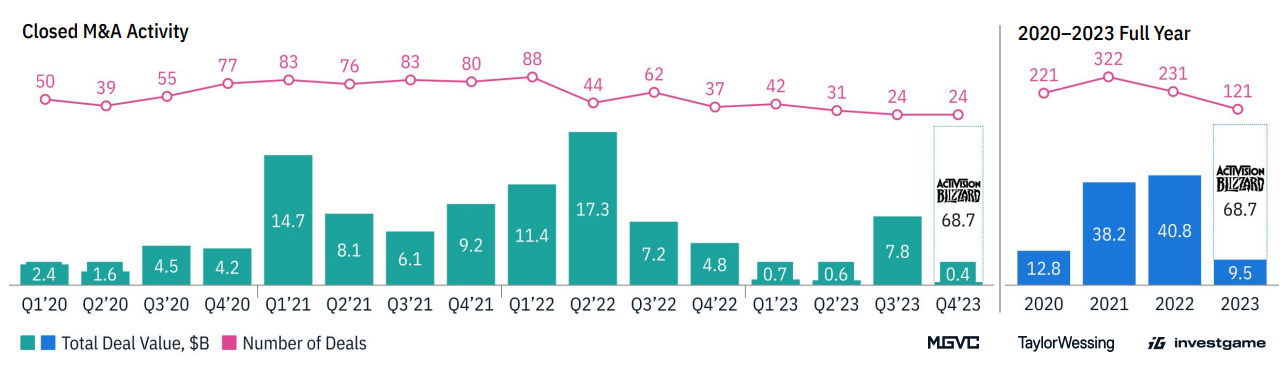
The scale of these workforce reductions is striking. After a peak of 10,500+ layoffs in 2023 and an even more staggering 14,600+ in 2024, the industry has continued into 2025 with over 1,200 reported layoffs within the initial months. These figures paint a stark picture of an industry in flux, moving away from the aggressive expansion seen in earlier years. Companies that once rapidly scaled up their operations are now implementing widespread cutbacks, often citing reasons such as declining revenue, the escalating costs of modern game development, and the need for greater operational efficiency.
Initially, the earliest waves of layoffs often appeared concentrated within larger publishers and established studios, such as Microsoft, Electronic Arts, and Ubisoft, as they integrated acquisitions or restructured post-pandemic. However, a concerning development in 2025 has been the increasing number of smaller studios and independent teams affected. This indicates a systemic pressure extending beyond the corporate behemoths, impacting the diverse ecosystem of game creation. This shift suggests a broader re-evaluation of sustainable business models across all scales of game development.
The impact on individual studios highlights the varied nature of these cutbacks. Monolith Productions, under Warner Brothers, saw 170 positions eliminated, while AppLovin's Machine Zone reduced its mobile gaming workforce by 89 employees. Ubisoft, a major console player, implemented multiple rounds of layoffs across its studios, including Dusseldorf, Reflections, and Leamington. Even niche areas like AR/VR, represented by Fast Travel Games, and indie developers such as Liquid Sword and Unchained Entertainment, have faced significant reductions, underscoring the pervasive nature of these challenges.
Several factors contribute to this volatile employment landscape. The rising cost of developing AAA titles, which now routinely exceed hundreds of millions of dollars, places immense pressure on studios to achieve blockbuster sales. Coupled with a saturated market and intense competition for player attention, the return on investment can be precarious. Furthermore, shifts in consumer spending habits, post-pandemic market corrections, and aggressive cost-cutting measures by parent companies are all contributing to the difficult decisions being made across the sector.
Many companies frame these layoffs as necessary restructuring efforts aimed at streamlining operations and adapting to new market realities. While this perspective offers a glimpse into strategic planning, the human cost is undeniable. The loss of experienced talent and the erosion of job security can have long-term consequences for innovation and morale within the industry. It also prompts critical questions about sustainable growth models and ethical labor practices within a creative sector known for its demanding work culture.
This period of instability also reflects broader trends in the tech industry, where similar workforce adjustments have occurred. The gaming sector, while unique in its creative output, is not isolated from global economic pressures and venture capital shifts. The increased scrutiny on profitability, the rise of subscription models, and the ongoing debate around generative AI's role in development are all factors influencing executive decisions regarding workforce size and structure.
The continuous stream of layoffs serves as a powerful reminder that the video game industry is undergoing a fundamental transformation. For professionals within the sector, it necessitates a focus on adaptability, continuous skill development, and a keen understanding of evolving market demands. For companies, it demands a strategic re-evaluation of long-term planning, sustainable growth, and the cultivation of resilient development ecosystems. The narrative of endless expansion has given way to one of consolidation and strategic recalibration, fundamentally reshaping the career trajectories and expectations of those who build our digital worlds.
Source Insight: This report was curated based on original coverage from blog.udonis.co.
Source: blog.udonis.co