The world of professional esports is currently experiencing a period of unparalleled transformation, akin to a seismic shift in its very foundations. The year 2025 has heralded a roster rebalance that extends far beyond mere player swaps, reflecting intricate boardroom strategies, immense financial investments, and the continuous pursuit of competitive dominance. As teams risk millions and careers hang in the balance, understanding these dynamic changes is crucial to grasping the evolving landscape of competitive gaming.
The Strategic Imperative of Roster Evolution
At its core, esports roster changes are a sophisticated game of strategy, much like a grandmaster's chess match. Every player transfer, every team restructuring, holds significant implications for the competitive meta. The perceived instability of teams like 100 Thieves, coupled with economic factors such as Riot's imposed $1.8 million salary cap, highlights the complex interplay of financial prudence and competitive ambition. These decisions are less about casual player exchanges and more akin to high-stakes corporate poker, where entire organizations and individual careers are on the line.
For aspiring professionals, these movements offer a roadmap to the pinnacle of competitive play. The inspiring ascent of Disguised Toast's team into the Challengers circuit underscores the foundational role of judicious roster construction. Conversely, top-tier esports organizations often operate under a veil of secrecy, where a single leaked detail can derail an entire season's meticulously laid plans. The competitive ecosystem is a delicate balance of ambition, risk, and strategic execution.
Notable Shifts Across Key Game Titles
Across the major esports titles, 2025 has seen a flurry of impactful changes. In *League of Legends*, the LCK's Chovy bidding war captivated fans, while LCS teams engaged in a rapid-fire series of player exchanges. EMEA's MAD Lions made a particularly bold move, signing Spirit into a multifaceted player-manager-substitute role, signaling innovative approaches to team leadership and flexibility.
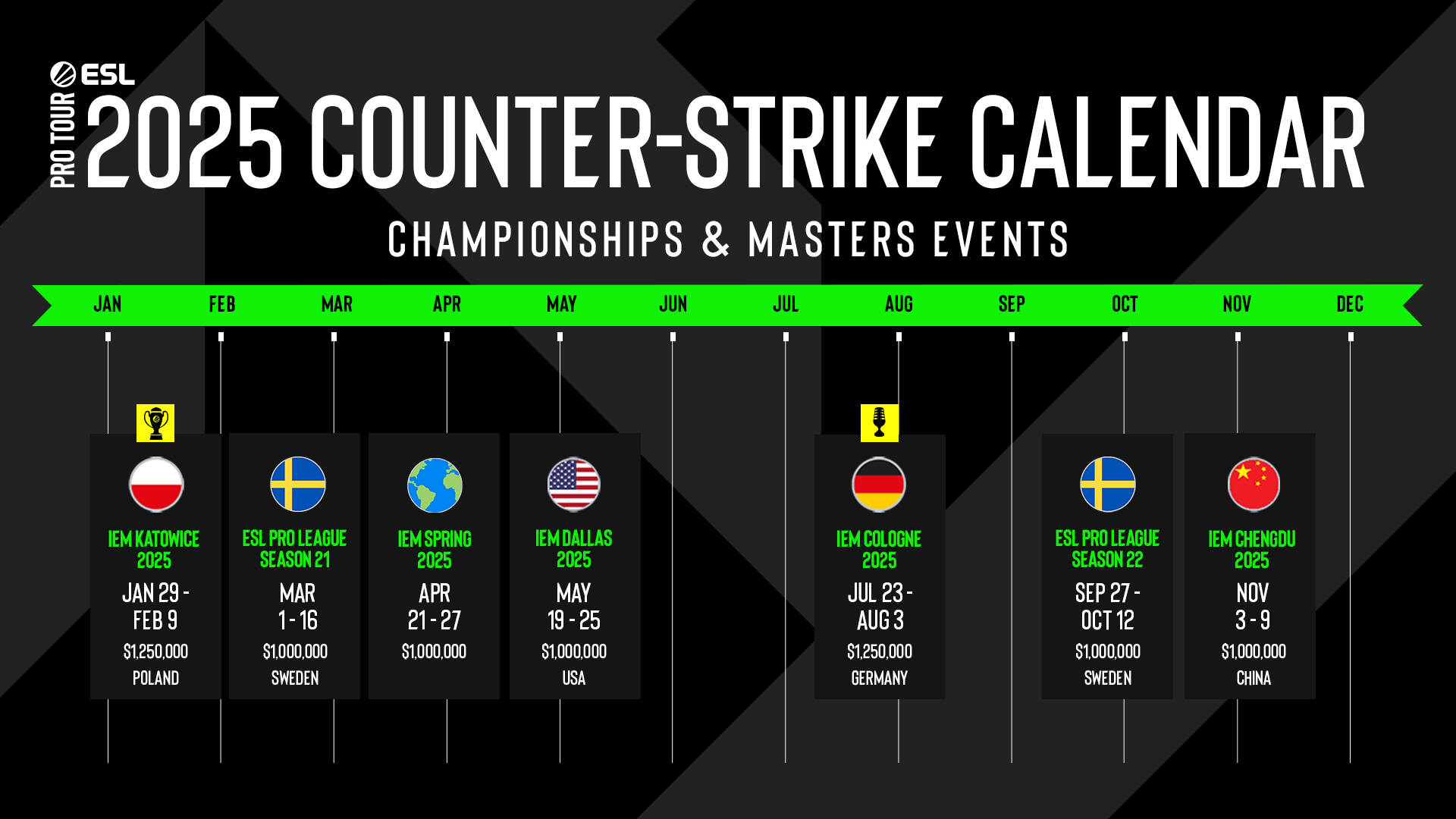
*Rainbow Six Siege* witnessed dramatic shifts in LATAM, with Team Liquid's roster migrating en masse to MIBR, prompting FaZe Clan to strategically counter with a diverse international acquisition. Meanwhile, in *Counter-Strike*, G2 Esports adopted an intriguing strategy of collecting substitutes, creating a geographically dispersed and flexible lineup. The high-profile signing of a 16-year-old prodigy by Complexity further underscores the industry's continuous search for raw, untapped talent.
Even in the mobile esports realm, *Brawl Stars* experienced significant upheaval. Tribe Gaming opted for youthful dynamism, replacing veterans with a Japanese teen duo, while SK Gaming integrated a popular YouTuber into their professional lineup. Such moves demonstrate the industry's willingness to experiment with diverse talent pools and unconventional team compositions.
Dissecting the Drivers of Change
The constant flux in esports rosters is driven by a confluence of factors, each contributing to the dynamic and often unpredictable nature of the scene. One primary driver is team dynamics, often a delicate balance of individual personalities, leadership styles, and collective synergy. The rapid ascent of players like G2's huNter- to a shotcalling role illustrates how internal team evolution can dramatically alter a squad's trajectory. The aspiration for *superteams* in regions like the LCK frequently highlights the challenge of harmonizing multiple superstar egos.
Another significant catalyst is contract expirations, which can trigger an annual 'free agency avalanche.' Gen.G's 2025 crisis, where a substantial portion of their championship-winning roster entered free agency, serves as a stark reminder of the strategic risks inherent in short-term contracts. This phenomenon often transforms what might appear as strategic planning into a high-stakes game of musical chairs, with million-dollar contracts as the stakes.
Finally, performance and strategy dictate many roster adjustments. Teams often undertake radical rebuilding efforts, sometimes even reuniting past rosters, driven by a desire to recapture former glory or to pivot aggressively towards new competitive strategies. Financial instability, as seen with RNG's forced player sales, can also precipitate widespread roster overhauls. These changes are not solely about skill gaps but often encompass broader considerations of brand synergy, content creation, and market appeal, reflecting a sophisticated understanding of the esports ecosystem.
Anticipating the Competitive Aftershocks
The sheer scale of the 2025 roster changes promises a drastically reconfigured competitive landscape. Predictions for the upcoming splits are rife with speculation regarding the immediate and long-term implications. T1's bid for a three-peat in the LCK, bolstered by a strong new roster, faces the immense pressure of maintaining dominance. Conversely, teams like Disguised in the LCS embody the classic underdog narrative, capable of either spectacular failure or a Cinderella run.
The emergence of 'sleeping giants' such as Secret Whales in the APAC region, backed by significant financial resources, signals the potential for new powerhouses to emerge. While LCK teams continue to boast an abundance of talent, the possibility of internal ego clashes leading to underperformance remains a tangible risk. Furthermore, a discernible trend of North American talent migrating to EMEA and APAC suggests a potential recalibration of regional competitive strengths, possibly leading to NA becoming a hub for veteran players rather than emerging stars.
The Pulse of the Community
The fan and community reactions to these extensive roster changes are as integral to the esports narrative as the games themselves. Social media platforms become a vibrant, often tumultuous, forum for passionate discussions, ranging from fervent support to outright criticism. Announcements like Fnatic's 2025 lineup generate immense traction, transforming fans into de facto directors and critics of their favorite organizations. This active engagement underscores the deep emotional connection between the esports community and the teams and players they follow, making every roster move a significant event in the collective consciousness of the scene.
Source Insight: This report was curated based on original coverage from gamecloudnetwork.com.