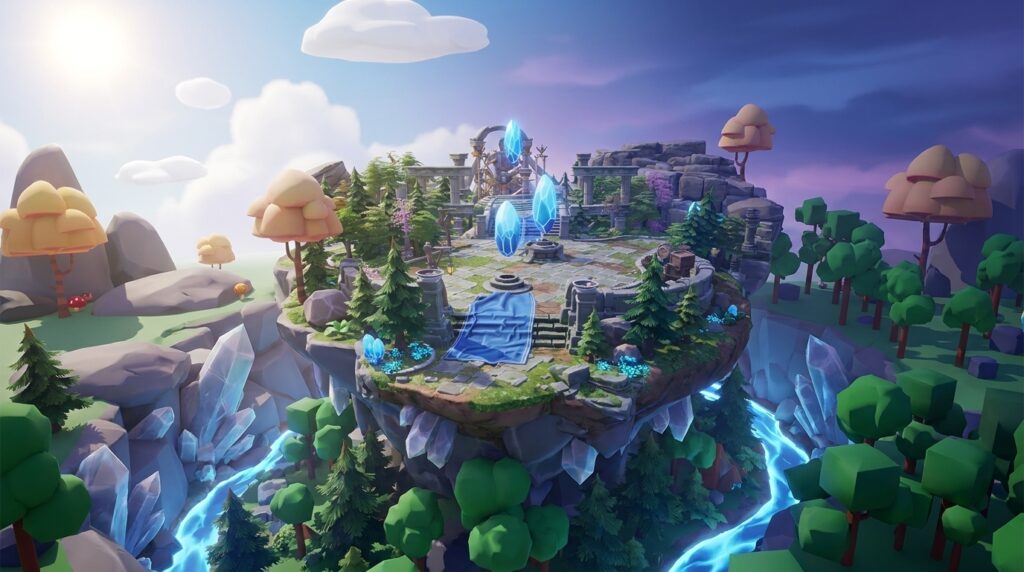
The realm of game development is undergoing a profound transformation, propelled by the relentless march of artificial intelligence (AI). What was once the sole domain of human ingenuity and arduous manual labor is increasingly being augmented, and in some cases, redefined, by intelligent algorithms. This burgeoning synergy between AI and gaming is not merely an incremental improvement; it represents a fundamental shift in how games are conceived, designed, and brought to life, promising an era of unprecedented creativity and efficiency.
The Dawn of AI-Driven Creation
At its core, the revolution is being driven by generative AI, a sophisticated branch of artificial intelligence capable of creating novel content rather than simply analyzing existing data. This technology is rapidly evolving beyond basic asset generation, now encompassing comprehensive development workflows. Developers are leveraging AI to conjure intricate characters, expansive environments, nuanced dialogue systems, and detailed 3D assets. Imagine crafting entire interactive worlds from simple natural language prompts – a vision that is steadily becoming reality.
Expanding Creative Horizons
AI's impact extends far beyond mere automation. It acts as a powerful co-creator, empowering developers to explore ideas and iterations at a speed previously unimaginable. For indie studios with limited resources, AI levels the playing field, providing access to sophisticated tools that can accelerate development cycles and reduce overhead. For larger enterprises, AI frees up human talent from repetitive tasks, allowing them to focus on high-level design, narrative depth, and innovative gameplay mechanics.
Bridging Imagination and Implementation
One of the most significant contributions of generative AI is its ability to bridge the gap between abstract concepts and concrete implementation. A designer's vision for a sprawling cyberpunk city or a whimsical fantasy forest can now be rapidly prototyped and iterated upon with AI assistance. This accelerates the creative feedback loop, enabling more experimental designs and fostering a culture of rapid innovation. The psychological impact on developers is immense, shifting their focus from tedious execution to pure ideation and refinement.
The Strategic Investments of Industry Giants
Major players in the gaming and tech sectors are keenly aware of this paradigm shift. Companies such as Google, Roblox, Unity, Ubisoft, and Microsoft are making substantial investments in AI-powered game creation technologies. These strategic moves underscore the industry's collective belief that AI is not a fleeting trend but a foundational technology that will redefine future gaming experiences. Their foresight highlights the long-term potential for AI to integrate deeply into every facet of game production.
Beyond Asset Generation
While AI's ability to generate assets like textures, models, and sound effects is impressive, its true potential lies in its capacity to influence deeper elements of game design. We are seeing AI used to craft dynamic narrative branches, procedural level generation that adapts to player actions, and sophisticated non-player character (NPC) behaviors that enhance immersion and replayability. This move towards intelligent systems that can learn and adapt creates games that feel more alive and responsive to the player.
Ethical Considerations and the Future Landscape
As with any transformative technology, the rise of AI in game development brings with it important ethical considerations. Questions surrounding intellectual property, the potential for job displacement, and the ethical implications of autonomous content creation are crucial and require careful navigation. However, the overarching trend points towards an collaborative future where AI serves as a powerful enhancer, augmenting human creativity rather than replacing it.
A New Era for Game Development
The integration of AI into game development marks the dawn of an exciting new era. It promises more diverse, dynamic, and personalized gaming experiences. Developers, empowered by these intelligent tools, are no longer constrained by the limitations of traditional methods. Instead, they are free to explore uncharted territories of imagination, delivering games that are not only technologically advanced but also deeply engaging and endlessly surprising. The landscape of play is evolving, and AI is at the helm of this thrilling journey.
Source Insight: This report was curated based on original coverage from unite.ai.