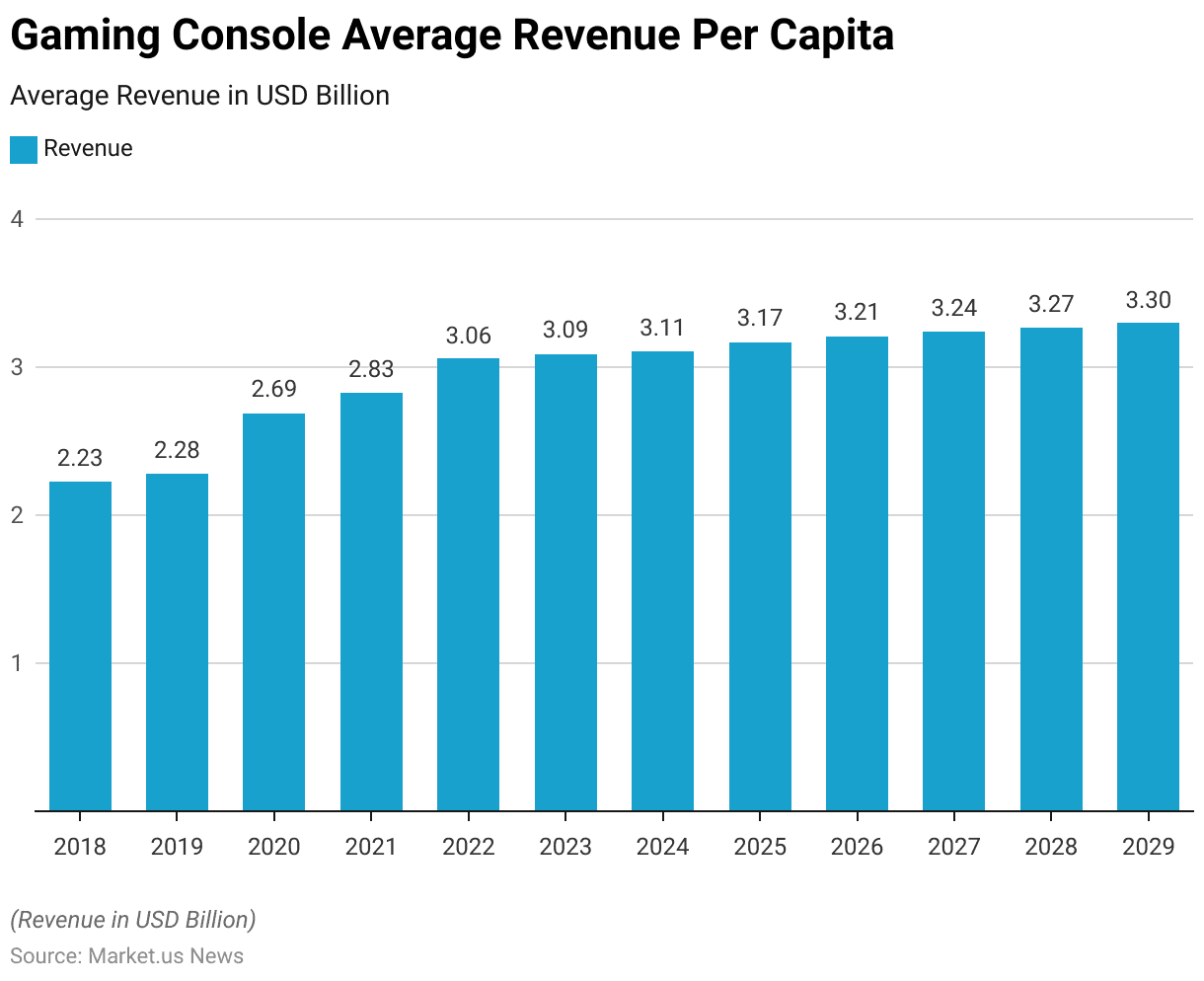
The gaming industry, once a niche pursuit, has undeniably solidified its position as a global entertainment juggernaut. Propelled by relentless innovation in graphics, hardware capabilities, and ubiquitous online connectivity, it has transcended traditional boundaries to become a multi-billion dollar enterprise. Forecasts indicate a staggering trajectory, with the market expected to grow from an estimated $304.19 billion in 2025 to a monumental $1,050.26 billion by 2035, exhibiting a robust Compound Annual Growth Rate (CAGR) of 13.19% over the decade.
The Diverse Ecosystem of Modern Gaming
This phenomenal growth is a testament to the industry's remarkable diversification. From the widespread accessibility of mobile gaming to the immersive frontiers of virtual reality (VR) experiences, the market now caters to an incredibly broad spectrum of audiences and preferences. The rise of esports, the pervasive influence of streaming platforms, and the increasing sophistication of interactive narratives have all played pivotal roles in reshaping the landscape, cementing gaming's status as a cultural phenomenon that extends far beyond the confines of a console or PC.
Strategic Maneuvers by Industry Leaders
The competitive landscape of the gaming market is characterized by intense strategic maneuvering among its key players. Industry titans such as Sony Corporation, Tencent Holdings Ltd., Nintendo Co. Ltd., Activision Blizzard Inc., and Microsoft Corporation are constantly evolving their approaches to maintain and expand their market share. A significant shift has been the increased emphasis on digital distribution platforms, capitalizing on the burgeoning trend of online gaming and digital game sales. This move not only streamlines access for consumers but also offers significant operational advantages for publishers.
Investment in Exclusivity and Emerging Technologies
A core strategy among leading companies involves substantial investment in the development of exclusive game titles. This tactic is crucial for attracting and retaining dedicated user bases, fostering brand loyalty, and differentiating platforms in a crowded market. Concurrently, the embrace of emerging technologies is paramount. The rapid adoption of cloud gaming services, exemplified by offerings from Microsoft and Sony, aims to enhance accessibility and reduce hardware barriers. Furthermore, the pervasive implementation of in-game monetization strategies, including microtransactions and season passes, continues to be a prevalent approach for generating additional revenue streams.
Key Performance Indicators for Market Share
Analyzing market share within this dynamic industry requires a multifaceted approach, considering several critical factors. Hardware sales, particularly of gaming consoles and associated accessories, serve as a fundamental indicator of a company's standing in the hardware segment. Equally important are software sales, where the popularity and commercial success of game titles, both physical and digital, directly impact market share. The efficacy of online services and subscription platforms further reflects a company's ability to meet evolving consumer demands, while unwavering brand loyalty remains a powerful, long-term determinant of market dominance.
The Rise of New Powerhouses
While established giants continue to lead, the industry has also witnessed the significant emergence of new powerhouses. Epic Games, with the global phenomenon of *Fortnite* and its foundational *Unreal Engine*, has redefined interactive entertainment. Tencent Holdings Limited, through strategic global investments in various gaming companies, has quietly amassed considerable influence. Similarly, CD Projekt S.A. has ascended to prominence following the critical and commercial success of *The Witcher* series and *Cyberpunk 2077*, showcasing the impact of compelling storytelling and innovative gameplay.
Current Investment Trends: Consolidation and Innovation
Current investment trends highlight a dual focus on consolidation and technological advancement. Mergers and acquisitions are rampant, with notable examples such as Microsoft's substantial acquisition of Bethesda and the momentous merger of Activision with Blizzard, aimed at bolstering portfolios and expanding market reach. Simultaneously, there's a strong drive towards cutting-edge technologies, including substantial investments in virtual reality (VR) and augmented reality (AR), to deliver increasingly immersive gaming experiences. The burgeoning field of esports also continues to attract significant investment, with companies backing leagues, tournaments, and infrastructure to capitalize on its rapidly growing global audience.
The Future: A Trillion-Dollar Landscape
The trajectory of the gaming market points towards an exciting and expansive future. With consistent technological breakthroughs, evolving business models, and an ever-broadening audience, the industry is not just growing; it's transforming. The strategic integration of digital distribution, cloud-based services, and diversified revenue streams, coupled with a keen eye on emerging technologies and consumer preferences, will continue to fuel its unprecedented growth, firmly establishing gaming as a cornerstone of global entertainment and a trillion-dollar economy.
Source Insight: This report was curated based on original coverage from marketresearchfuture.com.