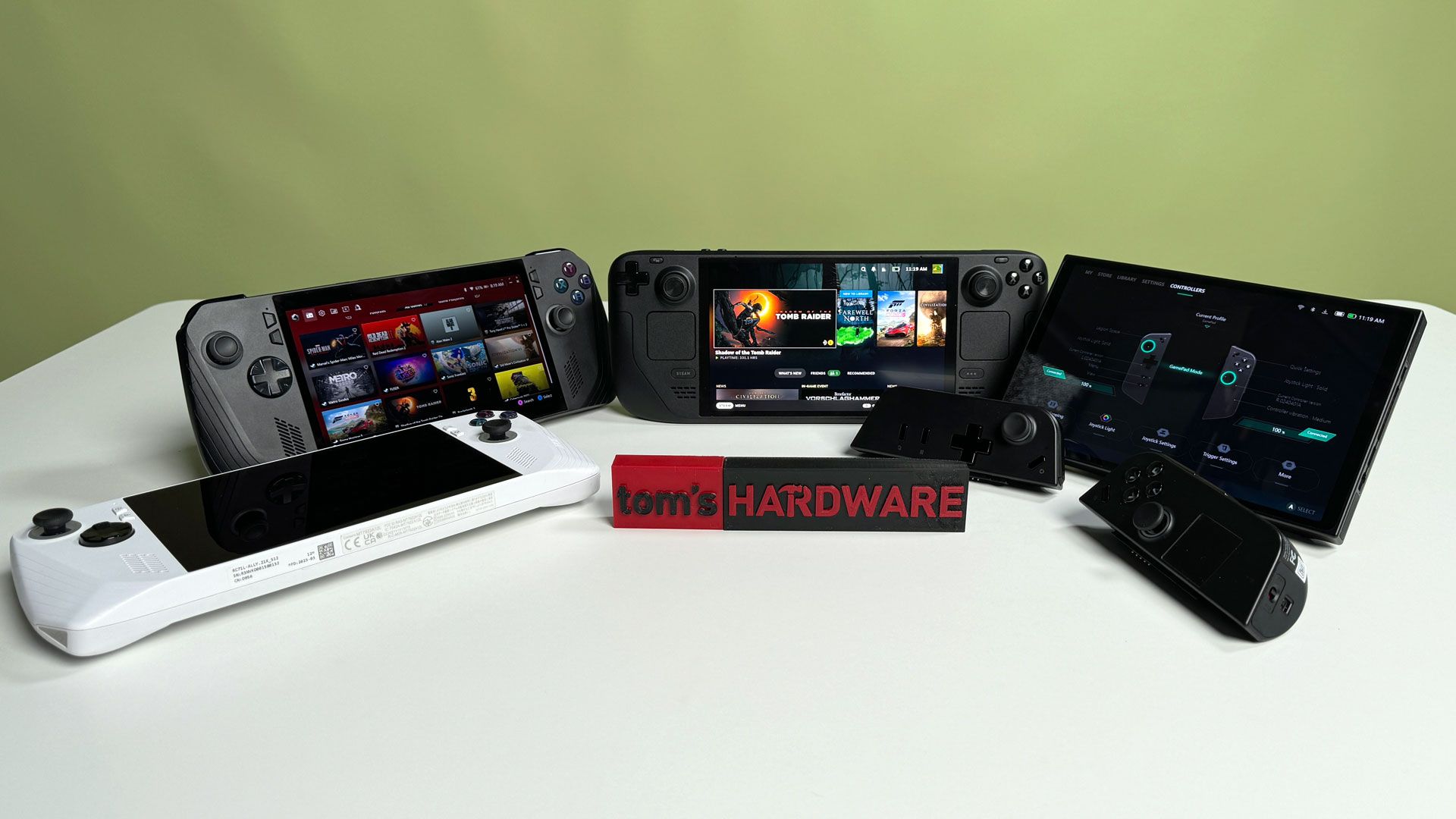
The handheld PC gaming sector is undergoing a profound transformation, moving beyond niche curiosities to mainstream contenders. As we approach 2026, the convergence of increasing hardware power, improved software optimization, and consumer demand for portable high-fidelity gaming is reshaping how and where we play. This evolution is spearheaded by innovations from both established tech giants and agile newcomers, all vying to deliver a seamless desktop-grade experience in the palm of your hand.
The Rise of Pocket Powerhouses
Historically, handheld gaming was synonymous with dedicated consoles designed for specific game libraries. The advent of powerful, miniaturized PC components has shattered these limitations, allowing players to access their extensive PC game libraries on the go. Devices like Valve's *Steam Deck* have been pivotal in this shift, demonstrating the viability and immense appeal of a true PC gaming experience in a portable form factor.
Architectural Advancements Driving Performance
The core of this revolution lies in the continuous enhancement of System-on-Chip (SoC) designs. Future iterations of handheld gaming PCs will likely leverage more efficient fabrication processes and advanced architectural designs, such as AMD's evolving APUs or Intel's integrated graphics solutions, to deliver significantly improved performance per watt. This means more demanding titles can run at higher frame rates and resolutions without sacrificing battery life — a critical factor for true portability.
Software Harmony and User Experience
While hardware capabilities are crucial, the software ecosystem plays an equally vital role. Windows-based handhelds offer unparalleled compatibility with existing PC game libraries, but they often grapple with optimizing the user experience for a touch-and-joystick interface. The *Steam Deck*'s customized SteamOS, on the other hand, prioritizes a console-like fluidity, demonstrating the importance of a purpose-built operating system. The future will see a refinement in both avenues, with Windows potentially offering more robust game mode optimizations and Linux-based systems enhancing their compatibility layers.
The Ergonomics of Extended Play
Beyond raw power, ergonomics and display quality are becoming increasingly significant differentiators. Extended play sessions demand comfortable designs that mitigate fatigue. Similarly, vibrant, responsive displays with appropriate resolutions – balancing graphical fidelity with battery efficiency – are essential for an immersive portable experience. Innovations in haptic feedback and custom input methods will also contribute to a more sophisticated and enjoyable gaming interaction.
Connectivity and Ecosystem Integration
The modern handheld gaming PC is not an isolated device. Seamless cloud save synchronization, multiplayer connectivity, and even the ability to dock the device to external displays for a full desktop experience are becoming standard expectations. The integration within broader gaming ecosystems, such as Xbox Game Pass or various PC storefronts, further enhances the utility and value proposition of these devices, positioning them as versatile computing tools rather than mere gaming gadgets.
Market Diversification and Specialization
As the market matures, we can anticipate greater diversification. Some manufacturers may focus on creating ultra-portable, highly efficient devices for casual gaming, while others might target hardcore enthusiasts with larger, more powerful, albeit less battery-efficient, machines. This specialization will cater to a wider spectrum of consumer needs and preferences, driving competitive innovation in design, performance, and price points.
The Psychological Impact of Portable Freedom
From a wellness perspective, the handheld PC offers an unprecedented degree of gaming freedom. The ability to seamlessly switch between different environments – from a cozy couch to a bustling commute – can integrate gaming into various aspects of daily life without being tethered to a fixed setup. This flexibility can positively impact how individuals manage their leisure time, offering a sense of control and accessibility to their preferred entertainment without compromising on quality.
Looking Ahead: A Blended Gaming Future
By 2026, the line between traditional desktop gaming, console gaming, and portable PC gaming will blur further. Handheld gaming PCs will not just be alternatives but integral components of a holistic gaming lifestyle, offering a robust, high-performance experience that travels with you. The continued innovation in silicon, software, and design promises a future where your entire PC game library is truly at your fingertips, anytime, anywhere.
Source Insight: This report was curated based on original coverage from tomshardware.com.