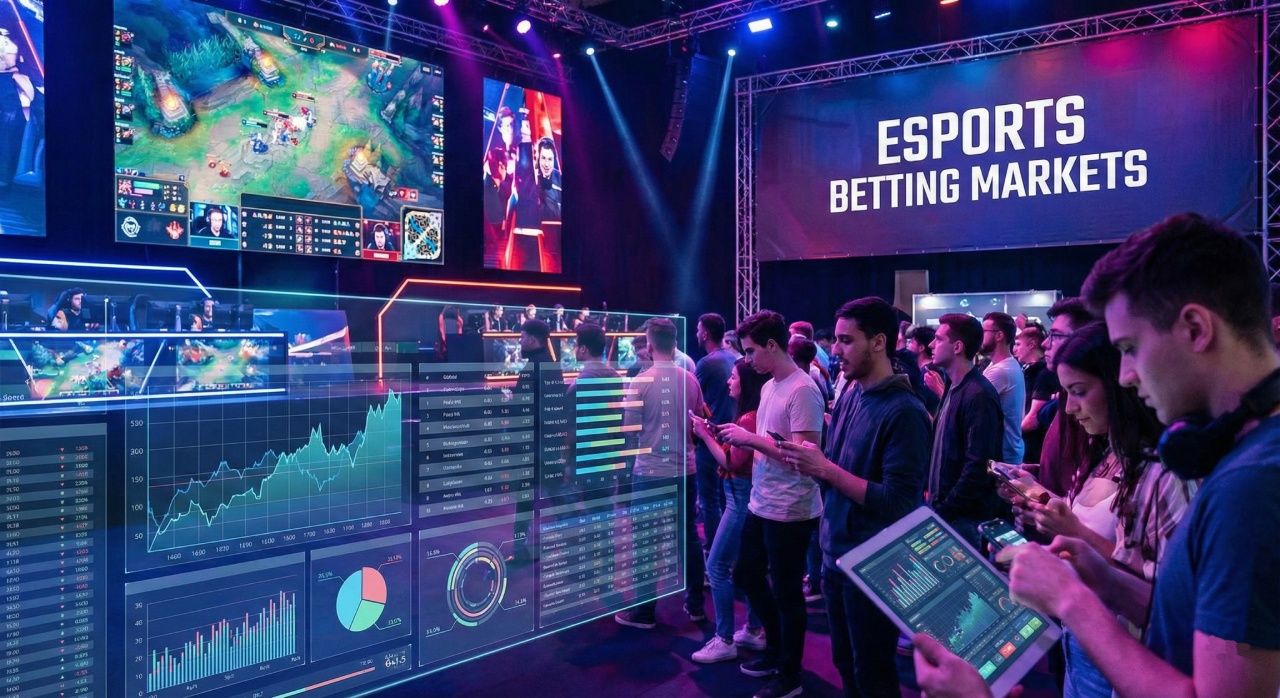
The world of esports is in a perpetual state of flux, a vibrant tapestry woven from high-stakes competition, strategic roster changes, and the ever-shifting sands of game balance. Recent reports from across the industry underscore this dynamism, painting a picture of an ecosystem that continuously evolves, demanding adaptability from players, teams, and fans alike.
The Seismic Impact of Roster Shuffles
One of the most compelling narratives in competitive gaming revolves around player transfers. The announcement of Stéphane "Shaiiko" Lebleu joining G2 Esports on March 21, 2026, for instance, sent shockwaves through the *Rainbow Six* competitive scene. Such high-profile moves are more than just team changes; they fundamentally realign the competitive landscape, forcing rivals to reassess strategies and redefining championship aspirations. These transfers reflect the increasing professionalization of esports, where talent acquisition becomes as crucial as in traditional sports.
The Metagame: A Constant State of Evolution
Beyond player movements, the metagame—the prevailing strategies and champion/hero selections—is a perpetual battlefield. In *Wild Rift*, for example, Patch 7.2b delivered direct hits to seven champions, immediately shifting viability and demanding new approaches from players. Similarly, *Mobile Legends: Bang Bang's* Patch 2.1.90 didn't just tweak hero values; it altered the very economic structure for junglers, impacting early-game power spikes and overall match flow. These balance patches are critical interventions by developers, designed to maintain game health and competitive freshness, but they also necessitate constant adaptation from professional teams.
The Overwatch League and Contractual Shifts
An interesting development in the *Overwatch* esports scene highlights the evolving contractual relationships between players and organizations. The shift towards shorter-term player contracts indicates a potential response to the fluctuating economic realities and competitive landscape of the league. While a guaranteed annual salary for *Overwatch League* players began at $50,000 in 2017 and reached $54,249 by the 2023 season, the move towards more flexible agreements could reflect a desire for greater agility from teams or a recalibration of player market values within a mature esports title.
Surging Viewership and Global Reach
The enduring appeal and growth of esports are perhaps best reflected in its viewership numbers. T1's dominance in July 2026, commanding 31 million hours watched, underscores the immense fan engagement in titles like *League of Legends*. This impressive figure, along with other top-performing tournaments, solidifies esports' position as a major entertainment spectacle. The success of events like the Esports Nations Cup 2026, with the USA securing a perfect qualification record, and the Honor of Kings World Cup 2026, further illustrate the global expansion and competitive intensity of the scene.
Mobile Esports: A Powerhouse in Its Own Right
Mobile esports continues to be a formidable force, evidenced by Team Spirit's historic victory in the *Mobile Legends Mid Season Cup*. The sheer scale of events like the MLBB MSC 2026 at the Esports World Cup highlights the massive player bases and dedicated fan communities these titles command. The accessibility of mobile gaming has translated directly into a booming competitive scene, drawing in millions of viewers and participants worldwide.
The Rise of New Competitive Formats and Data Analytics
The competitive landscape is also shaped by innovative tournament formats, such as BLAST Bounty Summer, where MOUZ secured a title amidst the stumble of favored teams. This unpredictability adds to the excitement and reinforces the notion that consistent performance, not just star power, is key. Furthermore, the integration of sophisticated data analytics, like start.gg's redesigned ranking framework based on over a decade of competitive data, provides deeper insights into player performance and meta trends, influencing team strategies and talent scouting.
The Future: Interconnected and Data-Driven
Ultimately, the esports world is becoming increasingly interconnected. Roster decisions are influenced by meta shifts, which in turn are analyzed through vast datasets to optimize performance. Viewership numbers drive investment, which then fuels bigger tournaments and more lucrative player contracts. This intricate web of factors ensures that the esports landscape remains vibrant, challenging, and endlessly fascinating, consistently pushing the boundaries of competitive gaming and digital entertainment. The ongoing evolution promises a thrilling future for both participants and spectators.
Source Insight: This report was curated based on original coverage from dailygg.com.