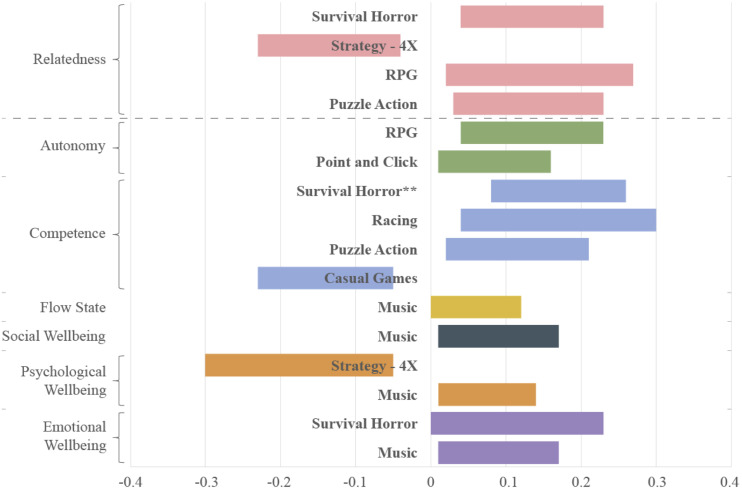
The landscape of childhood play has irrevocably shifted, with video games now occupying a central role. Far from being a mere pastime, interactive digital experiences offer a complex interplay of cognitive, social, and emotional stimuli. For parents and guardians, understanding this intricate balance of potential benefits and inherent risks is paramount to fostering healthy engagement.
The Cognitive Crucible: Benefits of Gaming
Modern video games are increasingly recognized for their capacity to enhance a variety of cognitive functions. Many titles demand sophisticated problem-solving skills, requiring players to strategize, adapt, and think critically under pressure. The rapid-fire decisions often necessary in fast-paced games can significantly improve reaction time and hand-eye coordination. Beyond these fundamental skills, complex narratives and open-world environments can foster creativity and imagination, encouraging players to develop unique approaches and solutions within the game world. Certain genres, particularly those involving resource management or tactical combat, also hone spatial reasoning and planning abilities.
Social Arenas and Emotional Regulation
The perception of gaming as a solitary activity is increasingly outdated. Multiplayer games often serve as vibrant social hubs, allowing children and adolescents to collaborate, communicate, and build friendships with peers across geographical boundaries. These interactions can teach valuable lessons in teamwork, negotiation, and sportsmanship. Furthermore, engaging with challenging content, experiencing success, and learning from failure within a game can contribute to developing emotional resilience and a sense of achievement, which can transfer to real-world scenarios.
Navigating the Digital Dangers: Risks and Concerns
Despite the clear advantages, the risks associated with excessive or unsupervised gaming cannot be overlooked. One of the most significant concerns is the potential for addiction, characterized by an inability to control gaming impulses, leading to neglect of other life areas. This is often exacerbated by game designs that utilize intermittent rewards and compulsive loops to maximize engagement. Furthermore, prolonged screen time can contribute to sedentary lifestyles, impacting physical health, and potentially leading to issues such as eye strain and sleep disturbances.
Behavioral and Psychological Implications
Exposure to violent content remains a contentious issue. While research on direct causation is complex, concerns persist regarding desensitization, increased aggression, and the normalization of violence. Beyond overt violence, some online environments can expose younger players to cyberbullying or inappropriate interactions with strangers, necessitating vigilant parental oversight. The psychological impact extends to potential academic decline as gaming may displace time dedicated to homework and studying, alongside possible social isolation if virtual interactions entirely replace real-world ones.
The Imperative of Parental Guidance and Structured Engagement
Establishing clear boundaries and limits is crucial. This includes setting specific time limits for gameplay, ensuring a balance with other activities like outdoor play, reading, and schoolwork. Parents are encouraged to actively engage with their children's gaming habits, understanding the content they consume and the communities they participate in. This also involves selecting age-appropriate games and utilizing parental controls offered by consoles and platforms.
Cultivating Digital Literacy and Critical Thinking
Beyond mere restriction, fostering digital literacy is key. Educating children about online safety, responsible digital citizenship, and the psychological mechanisms behind game design (e.g., microtransactions, addictive loops) empowers them to make informed choices. Encouraging critical thinking about in-game narratives and messaging can also help them discern fantasy from reality and understand the potential impact of their virtual actions.
The Role of Game Developers and Regulatory Bodies
The responsibility does not solely rest with parents. Game developers have a pivotal role in designing games that promote positive engagement and offer robust parental control options. Industry self-regulation, such as age rating systems like the ESRB, provides essential guidance. However, continuous evolution and adaptation of these systems are necessary to keep pace with rapid technological advancements and emerging content trends.
Ultimately, video games are a powerful medium, capable of both immense good and significant harm. By approaching gaming with an informed, balanced perspective – acknowledging its potential for growth while mitigating its risks through active supervision and education – we can ensure that the digital playground remains a space of enrichment and healthy development for the next generation.
Source Insight: This report was curated based on original coverage from sutterhealth.org.