The expansive realm of game design has transcended its initial boundaries, evolving from a niche hobby into a global cultural and economic powerhouse. With this unparalleled growth comes an inherent, often complex, responsibility: balancing artistic vision with a profound social and ethical obligation. Every decision made during the design process—from narrative arc to graphical representation—carries the potential to significantly influence players, not merely within the game's virtual confines, but potentially shaping their real-world perceptions and behaviors. Games are no longer just entertainment; they are potent cultural artifacts.
The Industry's Ethical Imperative
The gaming industry, now a formidable economic entity, is continually confronted by a spectrum of ethical challenges. These extend from the portrayal of violence and the perpetuation of stereotypes to the crucial imperative of delivering age-appropriate content. Game designers find themselves at a unique nexus, where artistic expression intersects with ethical responsibility, tasked with crafting compelling experiences that simultaneously respect broader societal values. This balance is not just recommended; it is an imperative for sustainable, responsible growth.
While regulatory bodies offer guidelines, the ultimate burden of cultivating a landscape where interactive entertainment thrives responsibly rests squarely on the shoulders of developers and the industry as a whole. Michelle Connolly, founder of LearningMole and a seasoned educational consultant, succinctly articulates this delicate balance: "In creating games, we must be acutely aware of our audience and the profound impact our content can have on individuals and society."
Foundations of Responsible Game Crafting
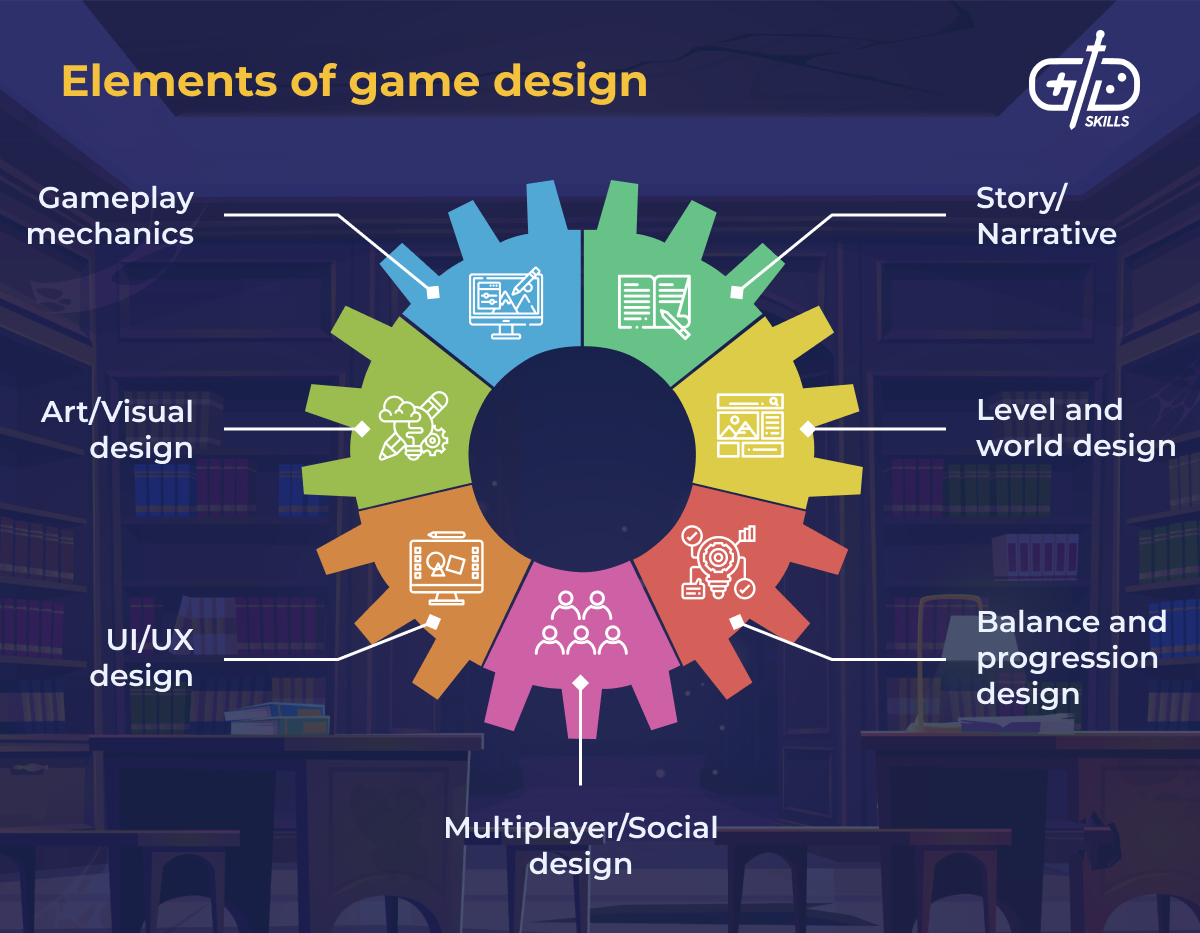
Embarking on the journey of game design is a multifaceted endeavor, intricately weaving together art, technology, and innovation. It extends far beyond mere coding; it is about meticulously creating an immersive experience. The development of a game's narrative functions much like weaving a story where the player embodies both the reader and the protagonist. Engaging storytelling fosters an emotional connection, which is fundamental for an impactful and memorable experience.
When considering graphics and realism, designers must judiciously determine what best serves the game's core purpose. While photo-realistic graphics might be apt for a gritty simulation, a more stylized approach could perfectly convey the essence of a fantastical world. As Connolly notes, "*In education, like in game design, the key to engagement is crafting experiences that resonate on a personal level.*" This philosophy underscores the necessity of designing responsibly, ensuring that content is not only captivating but also ethically crafted and inherently inclusive.
Artistry Meets Ethical Scrutiny
In the dynamic evolution of game design, the convergence of artistic expression and ethical considerations has emerged as a central, critical focus. This intersection demands a nuanced understanding.
#### Artistic Freedom and Responsibility
As a game designer, one wields an unparalleled creative palette, capable of conjuring worlds of limitless imagination. However, this artistic freedom is intrinsically linked to a significant ethical responsibility. Michelle Connolly observes, "While the canvas of a video game is borderless, the impact it has is very real – balancing creative liberty with social accountability is essential." This equilibrium ensures that artistic endeavors serve not merely as escapism, but also as a constructive and responsible influence on the audience.
#### Balancing Realism and Sensitivity
The pursuit of realism often compels designers to explore sensitive or potentially contentious content. Yet, cultural sensitivity and the well-being of your audience must always remain paramount. This frequently necessitates making difficult decisions regarding which elements to portray and precisely how. Crafting experiences that are both truthful and considerate of diverse players demands a thoughtful approach that respects not only the art itself but also the individuals engaging with it.
#### Storytelling and Representation
Narrative is an extraordinarily powerful conduit for representation, transforming storytelling in games into a potent instrument for both reflection and education. Such narratives can offer windows into experiences beyond a player's own, fostering empathy and deeper understanding. The core challenge lies in ensuring that representations are not merely diverse but genuinely authentic. This involves creating characters and storylines that resonate truthfully across various cultures and identities, thereby cultivating an inclusive space for all players.
Understanding the Player and Societal Impact
Beyond the immediate interaction with players, the ethics of game design profoundly impacts society at large. How game content is perceived and the demographics it targets can shape educational outcomes, influence perspectives, and even affect real-world behaviors.
#### Demographic Considerations
When designing games, a deep understanding of your audience is crucial to ensure that content is both age-appropriate and considerate of diverse demographics. "*Engaging with your audience requires a careful blend of entertainment and education*," states Michelle Connolly, drawing from her extensive classroom experience, emphasizing the need for intentional design that acknowledges its broad reach.
#### Gaming’s Societal Footprint
The influence of gaming on society is substantial, extending far beyond simple entertainment. Games possess an innate power to educate, reflect, and even shape societal values. This intrinsic capacity necessitates a design philosophy that is conscious of its broader societal footprint.
#### Real-World Implications of Gaming Content
Gaming content frequently blurs the lines between virtual and tangible realities, leading to tangible real-world implications. Designers must acknowledge this fluid boundary and consider how their creations might manifest in player behavior, attitudes, and cultural discourse.
Navigating Content Creation and Ethical Standards
When developing games, it is imperative for creators to meticulously consider the content they integrate and to adhere strictly to established ethical standards. This commitment ensures not only a morally sound gaming experience but also that the needs of diverse players are met without inadvertently crossing sensitive boundaries.
#### Mature Content and Violence
Mature content in video games, particularly themes of violence, necessitates careful contextualization and messaging. Game developers must thoughtfully assess the potential impact of violent content on players and the underlying message it conveys. The objective is not simply censorship, but rather the creation of content that genuinely enhances the player experience without unduly glorifying aggression.
#### The Imperative of Transparency
Transparency regarding game content is fundamental in empowering players to make informed decisions. Information pertaining to game mechanics, in-app purchases, and the nature of the content should be clearly and openly communicated. As an industry adage suggests, "*In today’s age, it’s not just about making games; it’s about fostering trust between the developer and the gamer.*" This trust is built on clear, honest communication, allowing players to fully understand and appreciate the experiences they choose to engage with.
Source Insight: This report was curated based on original coverage from learningmole.com.