AI• 7 min read
The AI Revolution in Game Development for 2026
Artificial intelligence is dramatically reshaping the landscape of game development.
Official canonical publication: krizek.tech
ALTERED BRILLIANCE IS LIVE ON GOOGLE PLAY. Read the product story →

Artificial intelligence is dramatically reshaping the landscape of game development.
Official canonical publication: krizek.tech
The realm of video game development is in the midst of a profound transformation, spearheaded by the rapid evolution and integration of artificial intelligence. By 2026, AI is no longer a niche tool but an indispensable component across various stages of game creation, offering unprecedented efficiencies and creative possibilities. This shift is democratizing access to high-fidelity content creation, allowing both independent developers and large studios to innovate at a scale previously unimaginable.
Game development has historically been a resource-intensive endeavor, demanding significant investment in time, capital, and specialized talent for everything from art and animation to writing and sound design. AI acts as a powerful force multiplier, automating repetitive tasks, generating complex assets, and infusing characters with a newfound intelligence. For indie developers, AI offers a pathway to produce rich, expansive content without the prohibitive costs of hiring extensive teams. For established studios, it presents an opportunity to streamline production workflows, accelerate development cycles, and allocate human talent to more nuanced, high-level creative direction. Crucially, AI is not a replacement for human creativity but rather a sophisticated support system, freeing developers to concentrate on innovative gameplay and compelling narratives.
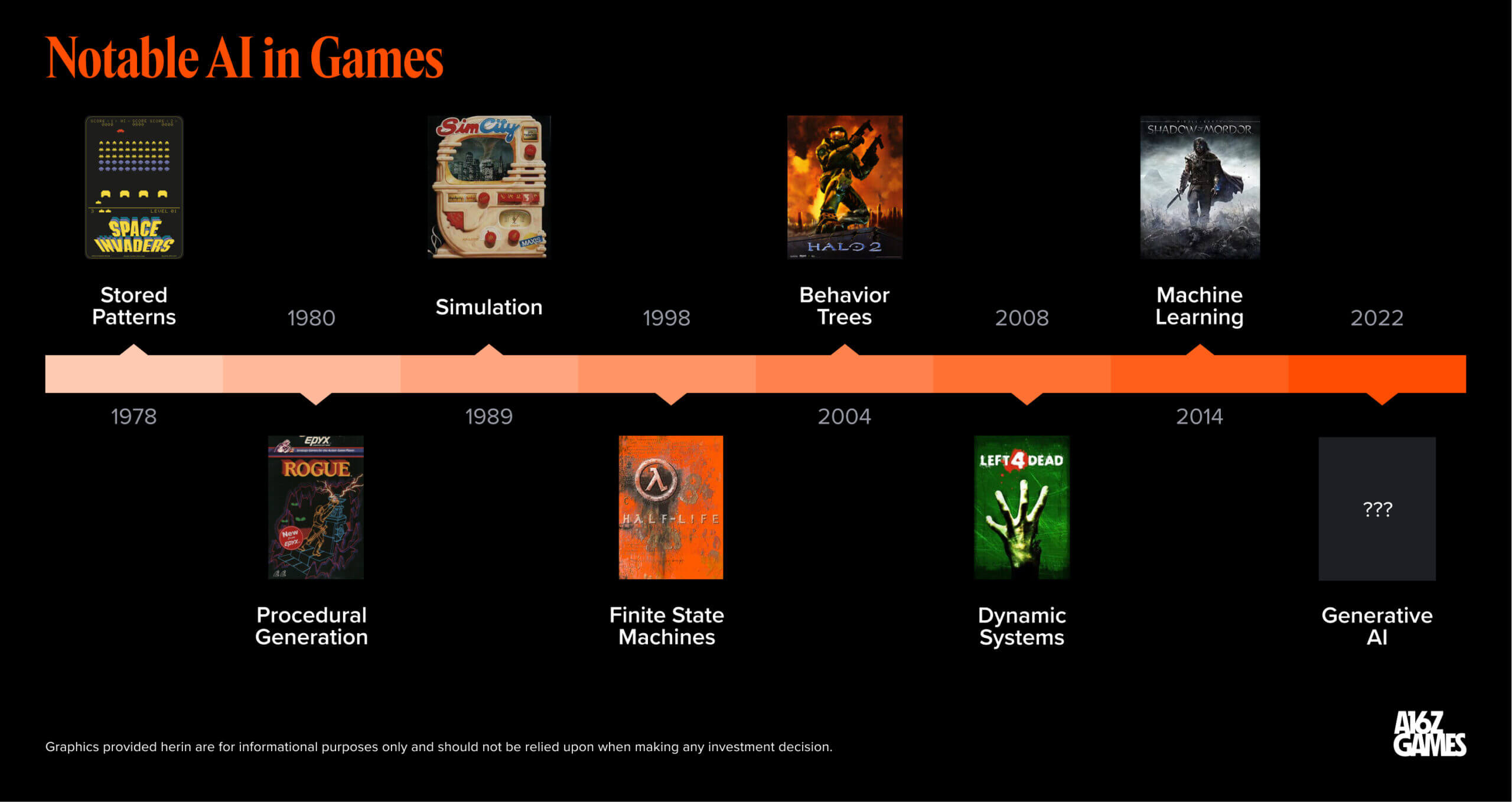
AI's influence permeates nearly every facet of the game development pipeline. In art and assets, tools are capable of generating intricate textures, diverse props, conceptual art pieces, and essential UI elements. For animation, AI assists in defining keyframes, interpolating motion, and even substituting traditional motion capture techniques. The intelligence of Non-Player Characters (NPCs) and the realism of their dialogue are reaching new heights, enabling reactive, context-aware interactions that transcend rigid scripting. Environment and level design benefit from procedural generation capabilities, crafting sprawling worlds or detailed interiors with unprecedented speed. Finally, music, sound, and voice are being revolutionized by AI that can produce adaptive soundtracks, unique character voices, and dynamic ambient audio.
Tools like *Inworld AI* are at the forefront of creating NPCs with genuinely natural behavior. These characters possess the ability to recall past conversations, track player actions, and respond dynamically, effectively eliminating the often-criticized rigidity of scripted dialogue. This enhanced intelligence directly contributes to a deeper sense of player immersion. Similarly, *Charisma.ai* specializes in crafting dialogue-driven storytelling experiences, where writers define narrative beats, and the AI skillfully adapts responses to player input, facilitating intricate branching storylines and emotionally resonant character interactions, particularly vital in immersive VR and AR experiences.
For visual development, AI-powered platforms such as *Scenario* and *Leonardo AI* are proving transformative. *Scenario* enables the generation of high-quality, game-ready assets, with the critical ability to fine-tune the output to align with a specific artistic style. This consistency is invaluable for studios aiming for a cohesive aesthetic without extensive manual oversight. *Leonardo AI* focuses on textures, props, and concept art, offering training features that ensure stylistic control, allowing for rapid prototyping of visual elements that artists can then refine to perfection. These tools significantly reduce the bottleneck traditionally associated with asset creation.
The creation of vast and detailed game worlds is being democratized by AI. *Promethean AI* automates the intricate process of environment design, intelligently placing props, arranging objects, and generating complex layouts based on developer prompts. This can save weeks of manual labor in 'dressing' environments. *Rosebud AI* further expands on procedural content generation, making it ideal for projects that demand expansive, diverse worlds or sandbox environments where unique variation is paramount without the need for handcrafted assets.
AI is also making significant strides in character animation. *Cascadeur* offers an AI-assisted approach where developers define key poses, and the AI intuitively calculates the natural motion between them, reducing the reliance on costly motion capture. This empowers indie developers to produce highly realistic animations within constrained budgets. *RADiCAL* takes this a step further by converting standard video footage into robust motion capture data, lowering the barrier to entry for achieving realistic character movement without specialized hardware or extensive studios.
In the realm of sound, AI is opening new creative avenues. *Replica Studios* allows for the rapid production of AI-generated voiceovers, where developers can script dialogue, select from a range of voices, and export files with various emotional deliveries in minutes. This is particularly useful for prototyping and for indie teams needing quality voice acting without the overheads of traditional recording. Concurrently, *AIVA* specializes in generating adaptive background music, composing tracks in diverse genres that can seamlessly loop and respond to gameplay, effectively filling in-game soundscapes without requiring dedicated composers for every project.
When adopting AI tools, compatibility with existing game engines is paramount. Many leading AI solutions offer strong integrations with popular platforms like Unity and Unreal Engine, streamlining workflows. For Godot users, direct plugins are fewer, often requiring more manual integration of assets. Beyond technical integration, understanding the licensing and commercial rights associated with AI-generated content is critical. Developers must meticulously review license agreements to ensure that assets produced via AI comply with intellectual property regulations and are cleared for commercial use, especially for projects destined for major platforms like consoles or Steam. This due diligence is essential to navigate the evolving landscape of AI ethics and legal frameworks in game publishing.
Source Insight: This report was curated based on original coverage from cognitivefuture.ai.
Source: cognitivefuture.ai