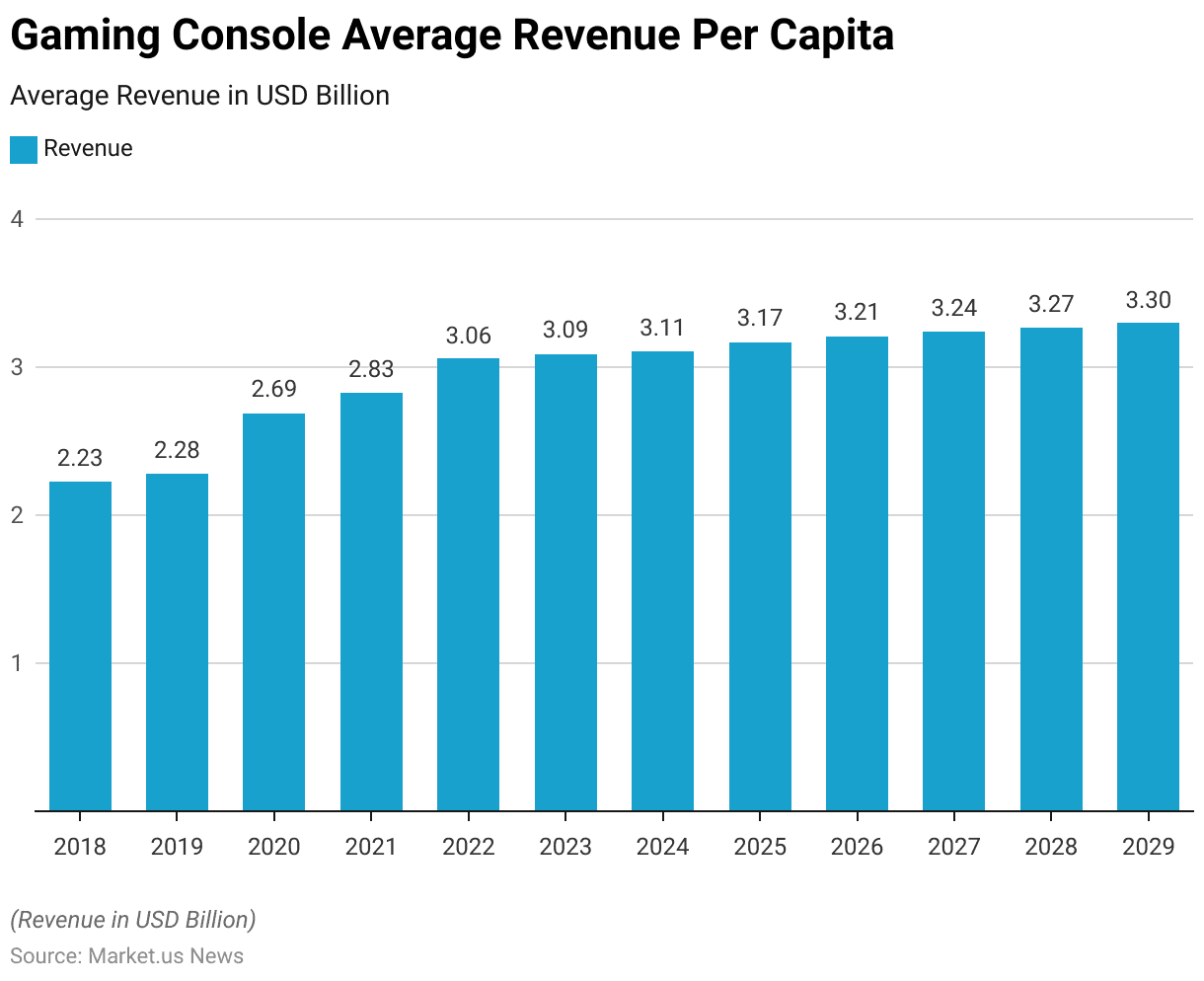
The year 2025 marked a significant milestone for the global video game industry, achieving a new all-time high in content sales, reaching approximately $195.2 billion. This impressive growth of 5.3% year-over-year represents a robust recovery and expansion, surpassing the previous peak set in 2021. This surge was fueled by record-breaking performance across mobile, PC, and console platforms, indicating sustained consumer engagement and spending across the board.
The Illusion of Unfettered Growth
Despite these record revenues and the emergence of several new hit franchises alongside the continued success of established ones, a closer examination reveals a more complex picture. Private funding for game developers saw a dramatic decline, falling by another 55% in 2025. This sharp decrease in investment signals a cautious approach from venture capitalists and private equity firms, despite the industry's overall revenue growth.
Streamlining Operations Amidst Financial Prudence
Major game developers also continued a trend of portfolio consolidation, with an increased number of pipeline projects being canceled and numerous live titles being sunsetted. This strategic retrenchment reflects a heightened focus on efficiency and profitability. The scarcity of funding and budget cuts have unfortunately led to ongoing layoffs. While 2025 saw a 40% reduction in job losses compared to the previous year, it still accounted for approximately 9,200 positions, bringing the four-year total to nearly 44,000.
Shifting Geographic Focus and Outsourcing Trends
Compounding these challenges, the remaining job openings are increasingly concentrated in lower-cost international markets. Furthermore, a growing portion of new content development investment is being directed towards external development partners. This trend is driven by the desire for lower talent costs, more flexible contractual arrangements, and shorter commitment periods, indicating a strategic shift in how games are being produced.
Declining Investment in Content Development
The consequence of these financial pressures is a noticeable dip in content development investment as a share of net revenues. While content spend saw significant growth between 2019 and 2022, the period from 2022 to 2025 saw a much more modest increase. This contrasts sharply with the revenue growth experienced during the same timeframe.
Margin Struggles and the Search for Profitability
This combination of factors has led to a significant erosion in the operating margins of standalone game publishers outside of China. These margins are now considerably below pre-pandemic levels and are struggling to demonstrate consistent growth. The data suggests that while the industry is generating more revenue, the profitability and sustainability for many individual companies are under considerable strain.
New Frontiers of Interactive Competition
The report also highlights the growing competition for consumer attention and spending from novel interactive competitors. These emerging platforms and experiences are increasingly drawing time and money away from traditional video games, forcing the industry to adapt and innovate to maintain its audience.
Identifying Avenues for Future Growth
Despite these challenges, the analysis points to five key areas poised for significant revenue growth within the video game industry in 2026. Navigating these opportunities, while understanding the underlying shifts in development, investment, and competition, will be crucial for continued success.
Source Insight: This report was curated based on original coverage from matthewball.co.