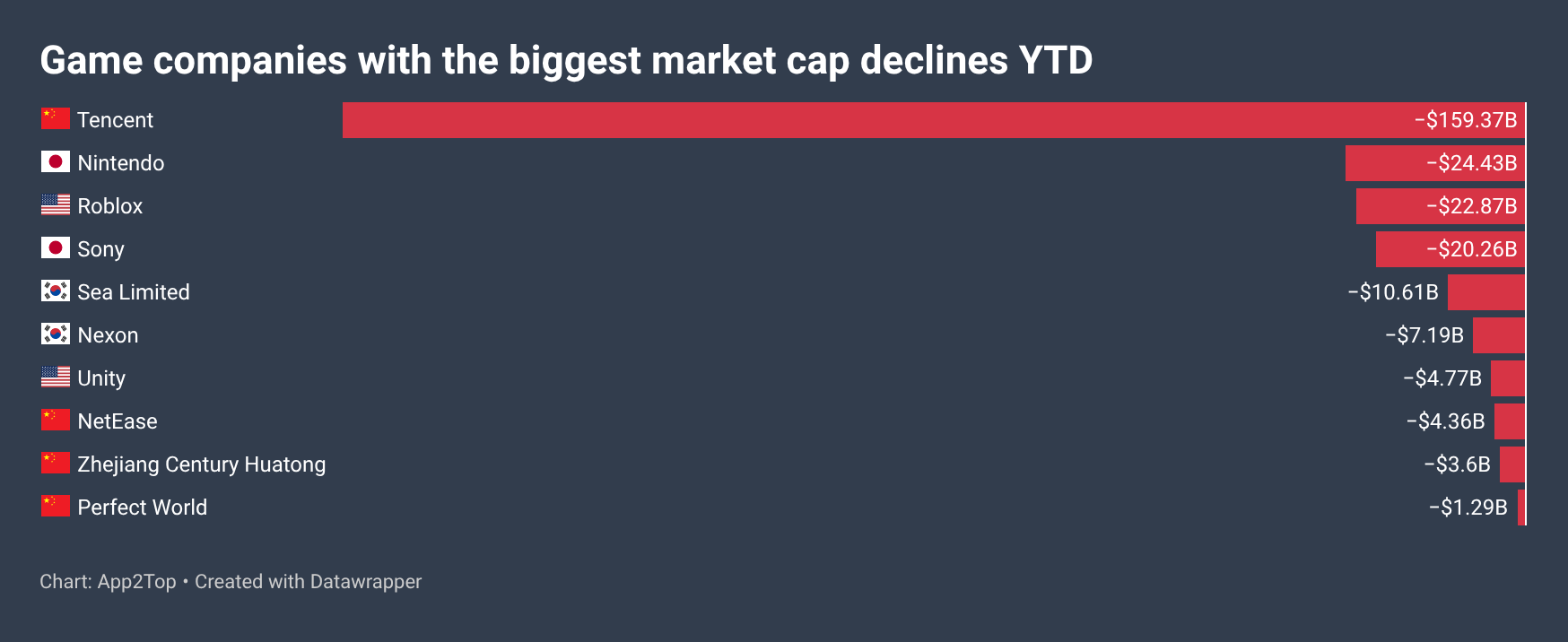
The video game industry, a formidable driver of global consumer spending and technological innovation, continues to redefine its role as a nexus for both service-based leisure and knowledge-intensive research. Far from its niche origins, the sector has ascended to a mainstream economic force, now standing shoulder-to-shoulder with established giants like film, music, and television in terms of both revenue generation and cultural resonance. This expansion has also propelled advancements in core computing hardware, notably in graphics cards, processors, and audio technology, demonstrating the industry's profound influence beyond entertainment.
Economic Shifts and Strategic Realignment
Recent reports underscore a dynamic yet challenging economic environment within this booming sector. Microsoft's Xbox division, for instance, is undergoing significant restructuring, with over 3,000 job cuts attributed to declining revenue and an underperforming subscription service. This move reflects broader industry pressures and the ongoing struggle to maintain growth in a highly competitive market, even for behemoths like Microsoft. The high expectations surrounding subscription models, often dubbed "Netflix-like" for gaming, are clearly proving difficult to consistently meet.
Nintendo's Strategic Adjustments and Market Dominance
Conversely, Nintendo has demonstrated a nuanced financial performance. While the company reported a nearly doubled revenue and sharply increased net profit for the fiscal year ending March, it concurrently announced plans to raise *Switch 2* prices and projected weaker future console sales and profit. This strategic forecast suggests a cautious outlook despite strong current performance, possibly in anticipation of market saturation or a transitional phase before its next major hardware cycle. Nintendo’s consistent ability to captivate audiences with its unique blend of innovation and nostalgia, as evidenced by the box office success of *The Super Mario Bros. Movie* and its anticipated sequel, underscores its enduring brand power.
Earnings and Investment Trends
Electronic Arts (EA) presents a mixed financial picture. The company reported an increase in net bookings to $1.86 billion, yet its third-quarter profit experienced a decline, landing at $88 million despite a slight uptick in overall revenue. This highlights a common industry challenge where increased engagement and revenue do not always translate directly into proportional profit growth, often due to escalating development costs or aggressive marketing. Simultaneously, the broader financial landscape sees a resurgence of massive debt-fueled deals in the entertainment and tech sectors, indicating an environment ripe for significant mergers and acquisitions, which could reshape the competitive landscape.
The Cultural and Technological Reach of Gaming
Beyond financial metrics, the cultural impact of gaming continues to expand. The success of animated adaptations like *The Super Mario Bros. Movie*, which garnered the year’s biggest movie opening, illustrates how gaming intellectual property is increasingly becoming a dominant force in broader media. Film reviews of *Mortal Kombat II*, while critical of its narrative, nevertheless acknowledge the continued attempt to translate game franchises into cinematic spectacles.
AI's Growing Influence
The integration of artificial intelligence is becoming an increasingly critical aspect of the gaming industry's evolution. AI tools are not only assisting in content creation, as seen with ByteDance's AI-video creator, but are also being leveraged for operational efficiencies. Chinese gaming giant NetEase, for example, reported a fall in net profit but signaled improving production efficiency with the help of AI, hinting at its potential to optimize development cycles and resource allocation. Intriguingly, classic *Pokémon* games are even being used as a benchmark for testing new AI models, showcasing the unexpected ways gaming can contribute to technological advancement.
Regulatory Scrutiny and Consumer Protection
However, this growth also brings increased scrutiny. Microsoft's Activision Blizzard unit is currently under investigation by an Italian regulator concerning in-game purchases. The probe focuses on whether practices encourage excessive play, potentially breaching consumer protection laws. This highlights a growing global trend of regulatory bodies examining monetization strategies within gaming, particularly those that might be perceived as exploitative or addictive. As the industry matures, navigating these ethical and legal landscapes will become paramount.
Leadership Transitions and Industry Legacy
Leadership changes further punctuate this period of transformation. The retirement of Microsoft's head of gaming, Phil Spencer, after 38 years, marks the end of an era for a figure who oversaw pivotal acquisitions like *Minecraft* and Activision Blizzard. Such transitions often signal strategic shifts and new directions for major players, underscoring the constant evolution at the top echelons of the industry.
The Enduring Appeal and Future Horizons
From its historical roots, predating *Pong*, to modern phenomena like *Roblox*, video games have cemented their status as the world's most profitable pastime. The industry's ability to drive technological innovation, influence cultural narratives, and adapt to evolving consumer behaviors ensures its continued prominence. As it navigates economic headwinds, embraces AI, and responds to regulatory pressures, the video game industry remains a vibrant and essential sector, constantly pushing the boundaries of interactive entertainment and technological possibility.
Source Insight: This report was curated based on original coverage from wsj.com.