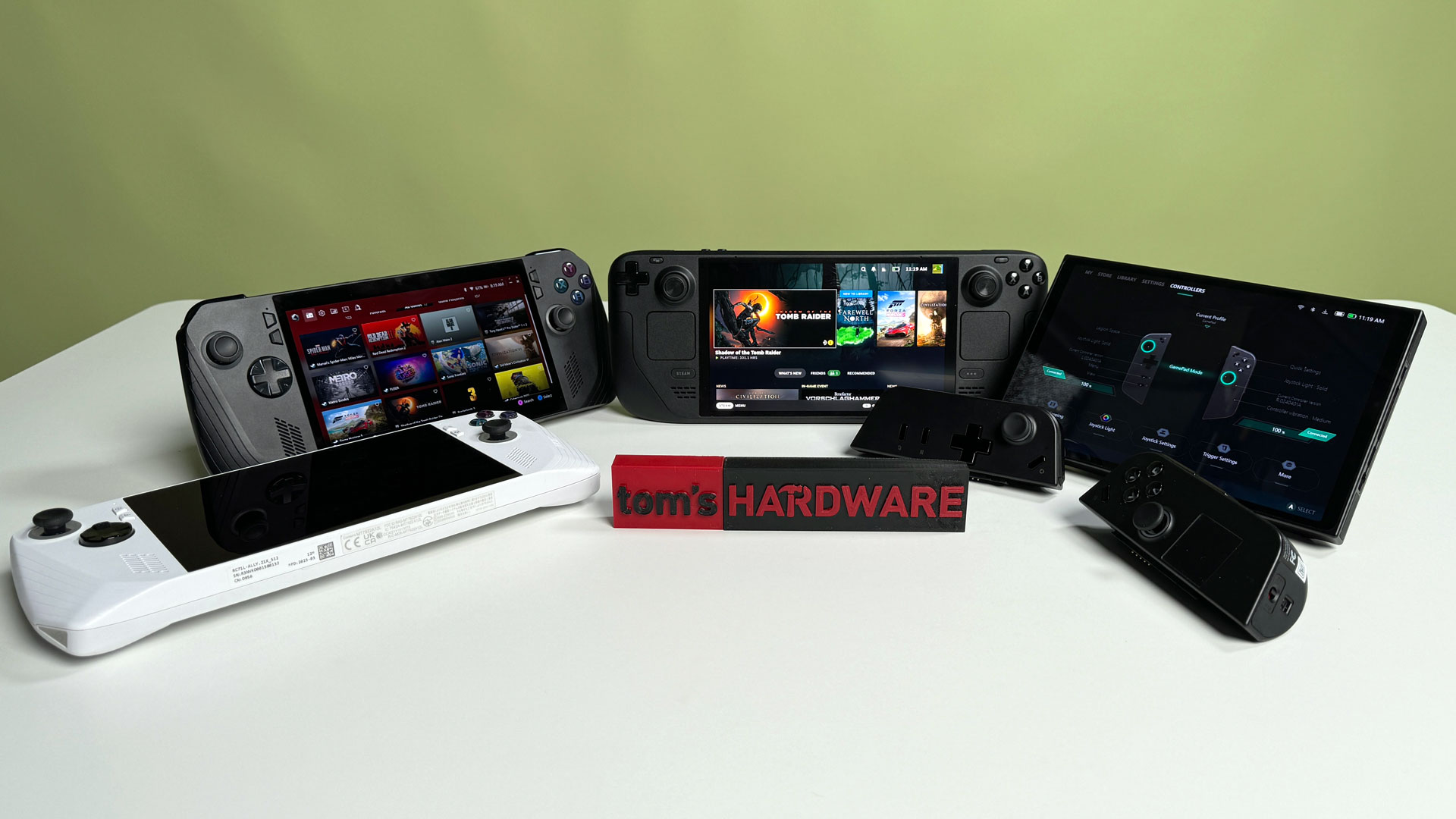
The realm of gaming hardware is in a perpetual state of evolution, a vibrant ecosystem where innovation consistently pushes the boundaries of what is possible. For the discerning gamer, understanding the intricacies of this landscape is not merely about staying current; it's about optimizing the very essence of their digital experience. The components that power our virtual worlds are becoming increasingly sophisticated, demanding a deeper appreciation for their individual roles and collective synergy.
The Core of Performance: Graphics Cards and Processors
At the heart of any formidable gaming setup lies the Graphics Processing Unit (GPU). These powerhouses are responsible for rendering the breathtaking visuals that define modern titles, from the intricate textures of sprawling open worlds to the fluid animations of fast-paced action. The relentless competition between manufacturers drives continuous advancements, offering greater fidelity, faster frame rates, and more immersive graphical effects. Complementing the GPU is the Central Processing Unit (CPU), which orchestrates the complex calculations that govern game logic, AI, and physics. A balanced pairing of these two components is crucial, as a bottleneck in either can severely limit overall performance, hindering the smooth, responsive gameplay that enthusiasts crave.
Displays and Immersion: Monitors and Virtual Reality
The visual output of a gaming system is as critical as its processing power. Monitors have transformed from simple display devices into sophisticated instruments capable of enhancing immersion through high refresh rates, low response times, and vibrant color accuracy. Technologies like adaptive sync (G-Sync and FreeSync) have revolutionized visual fluidity, eliminating screen tearing and stuttering. Beyond traditional displays, the burgeoning field of Virtual Reality (VR) continues to offer unparalleled levels of immersion. VR headsets transport players directly into the game world, creating experiences that engage senses beyond mere sight and sound, albeit with their own unique hardware demands and considerations.
The Human Interface: Keyboards, Mice, and Controllers
The bridge between player and game is formed by input devices, and their significance in competitive and casual gaming cannot be overstated. Gaming keyboards often feature mechanical switches for tactile feedback and durability, alongside customizable RGB lighting and macro capabilities. Gaming mice offer precision, adjustable DPI, and ergonomic designs tailored for extended play sessions. For console gamers and PC players who prefer a more relaxed setup, controllers have evolved to provide advanced haptic feedback, adaptive triggers, and ergonomic contours, further blurring the lines between different gaming platforms. The responsiveness and reliability of these peripherals directly impact a player's ability to execute commands and react to in-game events.
Storage and Speed: SSDs and Hard Drives
In an era of ever-expanding game sizes and complex assets, storage solutions play a pivotal role in load times and overall system responsiveness. Solid State Drives (SSDs), particularly those utilizing NVMe technology, have dramatically reduced loading screens, offering near-instantaneous access to game data. While traditional Hard Disk Drives (HDDs) still offer a cost-effective solution for mass storage, their slower speeds can significantly impede the gaming experience. A hybrid approach, combining a fast SSD for the operating system and frequently played games with an HDD for archival storage, is a common and effective strategy.
The Unseen Heroes: Networking and Audio
Beyond the tangible components, crucial elements often operate behind the scenes. Reliable networking equipment, such as high-performance Wi-Fi routers and wired Ethernet connections, is fundamental for online multiplayer gaming, minimizing lag and ensuring stable connectivity. Similarly, high-quality audio gear, including gaming headsets and surround sound systems, is vital for positional audio cues and enhancing environmental immersion. The ability to accurately discern footsteps or directional sounds can often be the difference between victory and defeat in competitive titles.
The Ecosystem of a Gaming PC
Building or upgrading a gaming PC involves more than just selecting individual parts; it's about constructing a cohesive ecosystem. Considerations like the power supply unit (PSU), which provides stable power to all components, and efficient cooling solutions are paramount. An underpowered PSU can lead to system instability, while inadequate cooling can cause thermal throttling, reducing performance and potentially shortening component lifespan. The PC case itself also contributes, offering airflow optimization, aesthetic appeal, and space for future upgrades.
Trends and Future Outlook
The industry continues to witness exciting trends. The rise of cloud gaming promises to democratize access to high-fidelity experiences, potentially shifting the emphasis from owning powerful local hardware to robust internet connectivity. Furthermore, advancements in AI-driven upscaling technologies, like DLSS and FSR, allow for higher frame rates and visual quality without demanding proportional increases in raw GPU power. As these technologies mature, they will undoubtedly reshape how gamers approach hardware decisions and experience their favorite titles.
Ultimately, the journey through the world of gaming hardware is a personal one, driven by individual preferences, budgetary constraints, and the specific demands of chosen games. However, a foundational understanding of these core components and their interplay is indispensable for anyone seeking to maximize their digital adventures and achieve peak performance in the ever-evolving landscape of interactive entertainment.
Source Insight: This report was curated based on original coverage from pcmag.com.