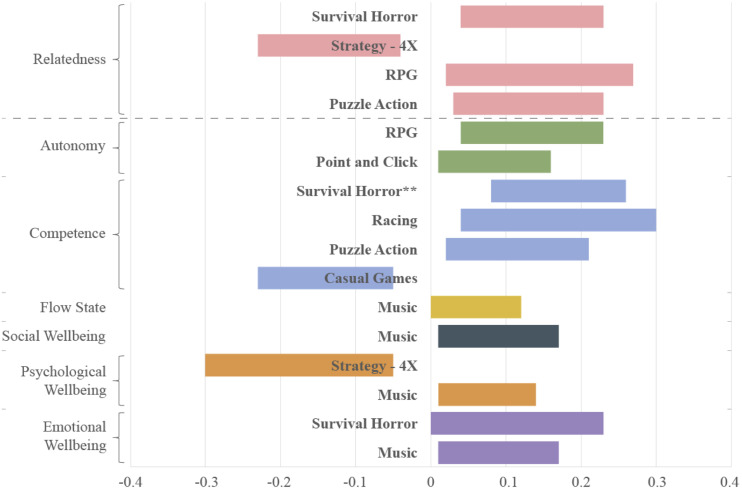
The conversation around screen time has evolved into a pervasive societal anxiety, with video games frequently cast as the primary antagonist. However, a deeper look into contemporary gaming research reveals a more nuanced and often positive landscape. While fears about potential negative impacts persist, studies increasingly demonstrate that, with appropriate guidance and moderation, gaming can significantly contribute to a child's resilience, social skills, and cognitive development. The challenge for parents lies in distinguishing between valid concerns and unfounded anxieties, and then leveraging the robust tools available to ensure positive digital engagement.
Dispelling Misconceptions About Gaming
It is common for parents, particularly those unfamiliar with gaming culture, to perceive video games as a trivial or even detrimental pursuit. A 2020 poll indicated that a significant majority of parents believed their teenagers spent excessive time gaming. Yet, this perception often overlooks the substantial developmental benefits. Far from fostering social isolation, many modern games, such as *Fortnite*'s cooperative modes, actively promote social interaction, teamwork, and effective communication through online multiplayer features. Research, including findings by Johannes et al. (2021), suggests that age-appropriate gaming can enhance emotional well-being and social connections.
Gaming can also be a powerful incubator for essential life skills. The inherent challenge of failing and restarting levels in many games teaches persistence and the critical value of learning from mistakes, thereby building emotional resilience. Beyond these, cognitive benefits, stress relief, and even support in coping with loneliness and trauma have been documented, particularly highlighted by studies during the COVID-19 pandemic (Barr, 2019).
The Imperative of Parental Controls
Despite the burgeoning positive research, the responsibility falls to parents to manage their children's digital diet. The gaming industry has, in response, developed increasingly sophisticated parental control features. The Entertainment Software Rating Board (ESRB) acknowledges that while many parents are aware of these features, a significant portion still lacks the knowledge or confidence to effectively implement them. This gap is crucial, as children, often more adept with technology, may not fully grasp the complexities of online ecosystems or the importance of secure digital behavior. Parental controls are not about outright restriction but about providing a foundational structure, akin to training wheels, that adapts as a child matures.
Platform-Specific Control Systems
Major gaming console manufacturers have integrated comprehensive parental control systems designed to give parents granular management over their children's gaming experience. These typically extend beyond individual game settings to encompass the entire platform. The ESRB website offers detailed instructions for configuring these restrictions.
Microsoft's Xbox Family Settings provides an app that enables parents to manage screen time, apply content filters, and adjust privacy settings. This includes the ability to monitor playtime through activity reports and set time limits that can span across multiple devices.
Sony's PlayStation Safety system offers a robust framework for family management. Parents can establish varying levels of game restrictions, control internet browser access, set spending limits on the PlayStation Store, approve friend requests, and manage overall playtime.
Nintendo Switch Parental Controls stands out for its user-friendliness, supported by a dedicated smartphone application. This app allows parents to set time limits, monitor gameplay activity, and receive push notifications for new friend requests or console activation. A particularly useful feature is the app's ability to automatically suspend a game once the set time limit is reached.
Ecosystem-Level Controls: The *Fortnite* Example
Beyond console-level controls, popular game ecosystems like Epic Games' *Fortnite* have also developed extensive parental control dashboards. Driven by the game's wide age demographic and concerns about online safety, *Fortnite*'s controls allow parents to manage who their children can message and communicate with. This demonstrates a growing industry understanding that a multi-layered approach to safety—from console to individual game—is essential.
The Evolving Role of Parental Guidance
The overarching philosophy behind parental controls should be one of guided autonomy. As children mature, these restrictions should evolve, gradually granting more independence. This process is not merely technical but deeply relational. Openly discussing and adapting parental restrictions fosters trust and teaches children critical values related to digital citizenship and responsible self-management. By engaging with these tools and maintaining open communication, parents can transform potential digital pitfalls into opportunities for growth and development, ensuring gaming remains a positive and enriching part of their children's lives.
Ultimately, the goal is to equip children with the discernment and self-regulation necessary to navigate their digital worlds safely and productively. Parental controls are powerful allies in this endeavor, providing the scaffolding needed to build confident, capable, and balanced young gamers.
Source Insight: This report was curated based on original coverage from fielding.edu.