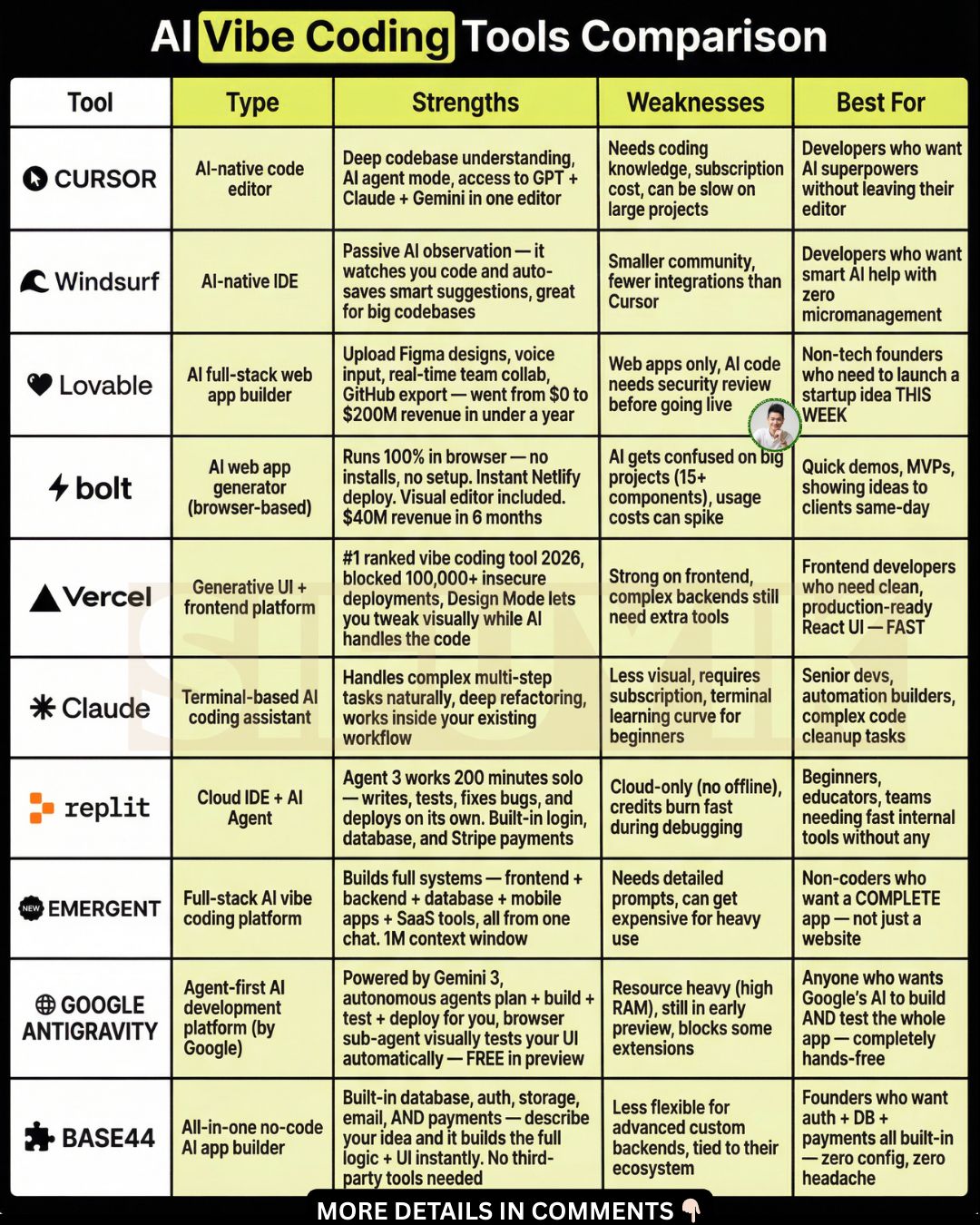
The integration of AI coding assistants into the development lifecycle has rapidly shifted from novelty to necessity. By 2026, the paradigm of software engineering is increasingly defined by how effectively developers collaborate with Large Language Models (LLMs). Reports from leading tech firms indicate an astonishing percentage of code generation now being handled by AI, underscoring its transformative impact. However, this power is not a simple plug-and-play solution; it demands a structured, intentional approach, often referred to as AI-assisted engineering.
Strategic Planning as the Bedrock
The most significant evolution in AI coding workflows is the emphatic return to robust planning. The common pitfall of prompting an LLM with vague requests is giving way to a more deliberate process. The foundational step now involves collaboratively developing detailed specifications *with* the AI. This iterative dialogue helps flesh out requirements, identify edge cases, and define architectural decisions, culminating in a comprehensive specification document. This detailed blueprint ensures both human and AI understand the project's scope and objectives before a single line of code is written.
Deconstructing Development into Manageable Milestones
Once a clear specification is established, the next critical phase is breaking down the implementation into small, digestible tasks. This mirrors agile methodologies but is amplified in importance when working with LLMs. Feeding the AI focused, bite-sized objectives—such as implementing a single function or fixing a specific bug—yields superior results. Large, monolithic code generation requests often lead to inconsistency, duplication, and a "jumbled mess" that is difficult to debug and maintain. By tackling work in iterative chunks, developers maintain control and ensure coherence throughout the codebase.
Iterative Development with AI as a Partner
Each small, iterative step allows for focused development and testing. After generating and reviewing the code for one task, the AI's context is carried forward to the next. This incremental approach allows the LLM to build upon previous work, much like a human pair programmer would. This methodology is not just about efficiency; it's about mitigating the risks associated with AI's current limitations, ensuring that the generated code aligns with the overall project architecture and quality standards. This disciplined approach ensures that the AI acts as a powerful tool, augmenting human expertise rather than replacing critical oversight.
The Importance of Context and Oversight
Effective AI-assisted engineering hinges on providing the LLM with sufficient context and maintaining diligent oversight. Developers must act as architects and project managers, guiding the AI's output and ensuring it aligns with the overarching goals. The AI is a potent collaborator, but it requires clear direction, consistent feedback, and rigorous validation. This human-in-the-loop approach is essential for producing high-quality, reliable software, embodying the principle of staying proudly accountable for the software produced.
Fostering Critical Thinking in an AI-Dominated Landscape
As AI capabilities grow, the demand for human critical thinking skills intensifies. Developers are not just writing code; they are designing systems, solving complex problems, and making crucial architectural decisions. The LLM becomes an exceptionally capable assistant in this process, accelerating routine tasks and offering novel solutions. However, the ability to critically evaluate the AI's suggestions, identify potential flaws, and integrate them seamlessly into a larger vision remains a uniquely human and indispensable skill. The future of software development lies in this synergistic relationship, where human ingenuity is amplified by artificial intelligence.
The Evolving Role of the Developer
Looking ahead to 2026, the developer's role is evolving from a pure coder to a strategic AI collaborator. The emphasis shifts from the manual act of writing code to the higher-level tasks of problem definition, system design, and intelligent integration of AI-generated components. This new era of "AI-assisted engineering" promises unprecedented gains in productivity and innovation, provided developers embrace the structured workflows and critical oversight necessary to harness this powerful technology responsibly and effectively.
Conclusion: A Disciplined Path Forward
The journey into advanced AI-assisted coding requires discipline, intentionality, and a deep understanding of both AI capabilities and software engineering best practices. By prioritizing planning, breaking down tasks, maintaining context, and exercising critical judgment, developers can navigate the complexities of LLM integration. This structured approach ensures that AI becomes a powerful ally, driving innovation and enhancing the quality of software delivered in the years to come.
Source Insight: This report was curated based on original coverage from medium.com.