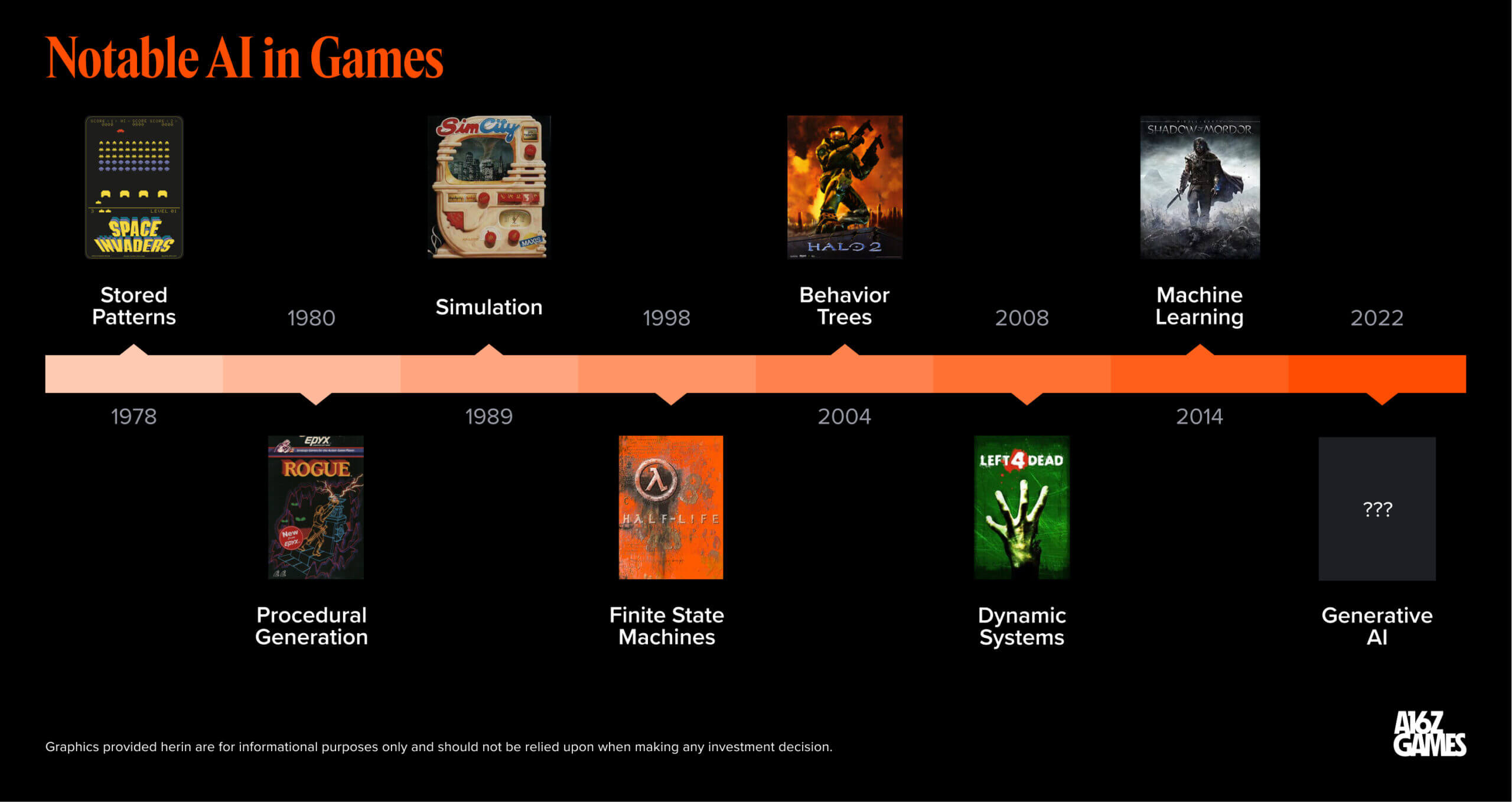
The integration of Artificial Intelligence (AI) into creative industries marks a significant evolution in digital artistry, tracing its lineage back to the nascent algorithmic experiments of the 1980s. This ongoing technological embrace has culminated in the proliferation of AI-driven art generators, which, through text prompts, facilitate the creation of generative content. While these tools, such as DALL-E 2, Midjourney, and Stable Diffusion, have revolutionized 2D artistic creation, their impact on the more intricate domains of 3D modeling and digital twin development has historically been limited, mired in technical complexities and prohibitive costs. A groundbreaking study conducted by Andrew Begemann and James Hutson from Lindenwood University, published in *Metaverse*, delves into this very challenge, offering an empirical exploration of how generative AI tools are reshaping the game development pipeline.
Navigating the Current Landscape of Content Creation
Existing methodologies for crafting content for Extended Reality (XR)—encompassing augmented, mixed, and virtual realities—are notoriously resource-intensive. They demand a profound technical proficiency, often acquired through years of specialized training. Techniques such as 360 photography, photogrammetry, and advanced 3D modeling software like *Autodesk 3ds Max*, *Maya*, or *Blender* are indispensable. Even with technological advancements like the *Matterport MC250 Pro2*, the production of digital twins frequently faces limitations due to proprietary systems, hindering interoperability. Moreover, 3D models generated through these traditional means are often unoptimized for rendering, posing integration challenges within digital environments. Conversely, while models crafted in specialized software are better suited for rendering and offer device-agnostic interoperability through formats like OBJ, their creation remains a laborious and time-consuming endeavor. Asset stores provide a partial solution, yet their offerings are inherently restricted, stifling creative freedom.
AI as a Catalyst for Change
Begemann and Hutson’s research investigates the potential of generative AI tools to revolutionize these development pipelines. Their study, utilizing AI generators such as *Leonardo AI*, *Scenario AI*, *Alpha 3D*, and *Luma AI*, tracks the entire process from concept art creation to the integration of 3D models within a game engine like *Unreal Engine 5*. The findings underscore AI's immense potential to significantly enhance the conceptualization phase of game development. This involves using AI to rapidly generate diverse concept art based on fantasy game prompts, allowing designers to iterate on ideas with unprecedented speed.
Overcoming Technical Hurdles in 3D Asset Generation
While AI excels in conceptualization, the study also meticulously documents the challenges inherent in producing optimized, high-quality 3D models suitable for direct game development integration. The process involved not only AI generation but also subsequent optimization efforts in *Blender* to prepare models for *Unreal Engine 5*. This dual approach highlights that while AI can create impressive initial assets, human expertise in refinement and optimization remains crucial for achieving game-ready quality. The research acknowledges that previous obstacles, such as file size constraints impeding low-latency XR experiences, are now being addressed by innovations like virtualized geometry systems, which compress files for real-time rendering. Furthermore, advanced systems like Nanite in modern game engines ensure efficient runtime performance for complex AI-generated assets.
The Rise of New Meta-Reality Development Pipelines
The paper pioneers a discourse on the advent of a new meta-reality immersive development pipeline. Advances in natural language processing (NLP) and visual content generation AI are heralding a paradigm shift, enabling the creation of 3D models in interoperable animation-friendly formats such as OBJ, GLTF, and GLB directly from text prompts. Just as image generators transformed 2D art, novel 3D content generators like *Interactive Pattern Generator* and *AI Material Designer* are poised to redefine the creation of tileable materials and detailed textures, previously a significant bottleneck in manual creation processes. This emerging pipeline significantly reduces the need for specialized technical knowledge, democratizing asset creation and holding the promise of transforming game development and other creative industries.
Ethical Dimensions and Future Prospects
The public release of AI generators in late 2022 democratized access to advanced content creation tools, setting the stage for widespread integration across sectors. However, this progress has not been without its complexities. The study acknowledges the burgeoning debates within the art community concerning the ethical use of AI, particularly regarding copyright and consent. These issues exemplify the intricate interplay between rapid innovation and the necessity for robust ethical frameworks.
Bridging the Gap to Full Integration
The Lindenwood University research reveals that while generative AI tools hold significant promise for transforming game development, their full integration into mainstream pipelines depends on overcoming current limitations and gaining broader industry acceptance. The study's diary-like documentation of the process, from generating concept art to optimizing models, provides invaluable empirical insights. It suggests that a collaborative future, where AI augments human creativity rather than replacing it, is the most viable path forward for the gaming industry.
Industry Trends and Psychological Impacts
This research aligns with broader industry trends towards greater automation and efficiency, yet it also subtly touches upon the psychological impact on creators. The ability to rapidly prototype ideas, freed from some of the more tedious aspects of asset creation, could foster greater experimentation and reduce creative friction. However, the ethical considerations, particularly concerning intellectual property and the potential for displacement, necessitate careful navigation. As AI tools become more sophisticated, their influence will extend beyond mere technical facilitation to profoundly reshape creative roles and the very nature of artistic endeavor in gaming. The industry must prepare for this transformative era, balancing innovation with responsibility.
Source Insight: This report was curated based on original coverage from digitalcommons.lindenwood.edu.